
Art print Still life with war instruments - Jan Jansz van Buesem


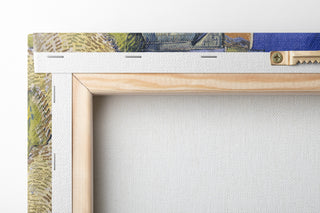
View from behind
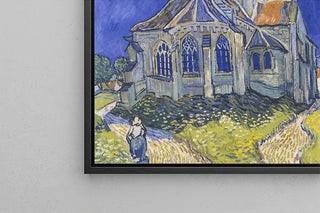
Frame (optional)
Art print Nature morte avec des instruments de guerre - Jan Jansz van Buesem – Introduction captivante
The still life, a often overlooked artistic genre, reveals silent stories through the staging of inanimate objects. The "Nature morte avec des instruments de guerre" by Jan Jansz van Buesem is no exception to this rule. In this painting, the viewer is invited to contemplate an assemblage of elements that, although static, evoke stories of conflict, bravery, and the fragility of human life. The composition, rich in detail, seems to capture a frozen moment in time, where each element, from weapons to everyday objects, combines to offer a profound reflection on the human condition.
Style and uniqueness of the work
Jan Jansz van Buesem's style is distinguished by striking realism and meticulous attention to detail. In "Nature morte avec des instruments de guerre," the artist uses a palette of dark, earthy colors, thus emphasizing the drama and gravity of the depicted objects. The weapons, such as swords and shields, are carefully arranged, creating palpable tension. Every reflection, every shadow is carefully studied, demonstrating technical mastery that allows the work to transcend mere decoration. The juxtaposition of war objects with more peaceful elements, like flowers or fruits, opens a dialogue on the duality of human nature, between violence and beauty, destruction and creation.
The artist and his influence
Jan Jansz van Buesem, active during the 17th century, is an emblematic representative of Dutch still life. His artistic journey is set within a rich cultural context, marked by a growing interest in the representation of everyday objects. Influenced by the masters of his time, Van Buesem manages to develop a unique style, combining impeccable technique with symbolic depth. His work reflects the evolution of the art print, moving from a simple depiction of objects to a more complex reflection on mortality and ephemerality. Artists who followed his example have often sought to capture this same essence, making his creations an essential reference in art history.
An exceptional wall decoration signed Artem
Art print Still life with war instruments - Jan Jansz van Buesem

-10% FROM €95 IN PURCHASES
-15% FROM €195 IN PURCHASES
Regular price
- Unit price
- per
Tax included.
Free shipping
€4.90 / Free shipping on orders over €39
Satisfied or Money Back
Free returns within 30 days
10-year warranty
Our prints are guaranteed for 10 years
Any questions? We are here!
by email to contact@artemlegrand.com
THE STEPS OF YOUR ORDER

STEP 1 - ORDER PLACED
Your order has been confirmed and we are starting production
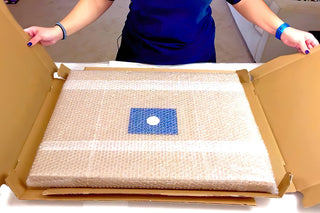
STEP 2 - SHIPPING
We ship your order. We send you an email to track the progress

STEP 3 - DELIVERY
You receive your order. You can also, according to your choice, be delivered to a relay point.
Matte finish
View from behind
Frame (optional)
Art print Nature morte avec des instruments de guerre - Jan Jansz van Buesem – Introduction captivante
The still life, a often overlooked artistic genre, reveals silent stories through the staging of inanimate objects. The "Nature morte avec des instruments de guerre" by Jan Jansz van Buesem is no exception to this rule. In this painting, the viewer is invited to contemplate an assemblage of elements that, although static, evoke stories of conflict, bravery, and the fragility of human life. The composition, rich in detail, seems to capture a frozen moment in time, where each element, from weapons to everyday objects, combines to offer a profound reflection on the human condition.
Style and uniqueness of the work
Jan Jansz van Buesem's style is distinguished by striking realism and meticulous attention to detail. In "Nature morte avec des instruments de guerre," the artist uses a palette of dark, earthy colors, thus emphasizing the drama and gravity of the depicted objects. The weapons, such as swords and shields, are carefully arranged, creating palpable tension. Every reflection, every shadow is carefully studied, demonstrating technical mastery that allows the work to transcend mere decoration. The juxtaposition of war objects with more peaceful elements, like flowers or fruits, opens a dialogue on the duality of human nature, between violence and beauty, destruction and creation.
The artist and his influence
Jan Jansz van Buesem, active during the 17th century, is an emblematic representative of Dutch still life. His artistic journey is set within a rich cultural context, marked by a growing interest in the representation of everyday objects. Influenced by the masters of his time, Van Buesem manages to develop a unique style, combining impeccable technique with symbolic depth. His work reflects the evolution of the art print, moving from a simple depiction of objects to a more complex reflection on mortality and ephemerality. Artists who followed his example have often sought to capture this same essence, making his creations an essential reference in art history.
An exceptional wall decoration signed Artem
12,34 €