
Art print of a Still life with tulips, hyacinth, and other flowers in a glass vase on a stone pedestal - Jean-Baptiste Monnoyer


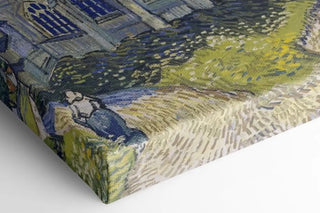
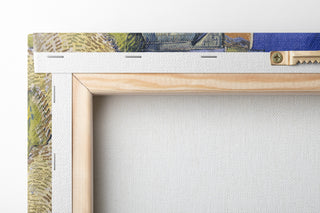
View from behind
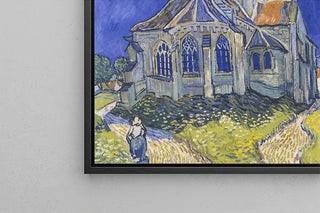
Frame (optional)
Nature morte with tulips, hyacinths, and other flowers in a glass vase on a stone pedestal - Jean-Baptiste Monnoyer – Captivating Introduction
In the fascinating world of still life painting, Jean-Baptiste Monnoyer's work stands out for its elegance and chromatic richness. "Nature morte with tulips, hyacinths, and other flowers in a glass vase on a stone pedestal" perfectly embodies the baroque spirit, where the beauty of flowers is expressed with rare intensity. Monnoyer, master of floral composition, invites us to a deep contemplation through vibrant nuances and play of light that animate the painting. Each petal seems to breathe, each color sparkles, creating an atmosphere that is both serene and dynamic. This work is not only a tribute to nature but also a reflection on the fleeting nature of beauty.
Style and uniqueness of the work
Monnoyer's style is characterized by meticulous precision and a keen sense of composition. In this still life, tulips, hyacinths, and other flowers are carefully arranged, highlighting their variety and brilliance. The colors, ranging from bright red to delicate blue, harmonize perfectly, creating a striking contrast that draws the eye. The light, subtly captured, plays a vital role, revealing the delicate textures of the petals and the transparency of the glass vase. Monnoyer manages to transcend simple floral representation to offer a true sensory experience. The work is not limited to a static depiction; it evokes a suspended moment, where the ephemeral beauty of flowers is immortalized on the canvas.
The artist and his influence
Jean-Baptiste Monnoyer, active in the 17th century, is recognized as one of the greatest still life painters of his time. Trained in a rich artistic context, he managed to establish himself thanks to his exceptional talent and innate sense of aesthetics. Monnoyer was influenced by Flemish masters, but he developed a distinctive style, marked by a French approach to still life. His works, often commissioned by the aristocracy, testify to a constant pursuit of perfection and a deep admiration for the
Art print of a Still life with tulips, hyacinth, and other flowers in a glass vase on a stone pedestal - Jean-Baptiste Monnoyer

-10% FROM €95 IN PURCHASES
-15% FROM €195 IN PURCHASES
Regular price
- Unit price
- per
Tax included.
Free shipping
€4.90 / Free shipping on orders over €39
Satisfied or Money Back
Free returns within 30 days
10-year warranty
Our prints are guaranteed for 10 years
Any questions? We are here!
by email to contact@artemlegrand.com
THE STEPS OF YOUR ORDER

STEP 1 - ORDER PLACED
Your order has been confirmed and we are starting production
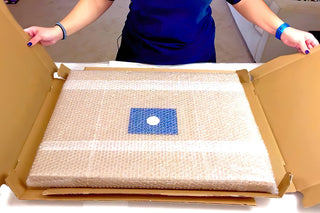
STEP 2 - SHIPPING
We ship your order. We send you an email to track the progress

STEP 3 - DELIVERY
You receive your order. You can also, according to your choice, be delivered to a relay point.
Matte finish
View from behind
Frame (optional)
Nature morte with tulips, hyacinths, and other flowers in a glass vase on a stone pedestal - Jean-Baptiste Monnoyer – Captivating Introduction
In the fascinating world of still life painting, Jean-Baptiste Monnoyer's work stands out for its elegance and chromatic richness. "Nature morte with tulips, hyacinths, and other flowers in a glass vase on a stone pedestal" perfectly embodies the baroque spirit, where the beauty of flowers is expressed with rare intensity. Monnoyer, master of floral composition, invites us to a deep contemplation through vibrant nuances and play of light that animate the painting. Each petal seems to breathe, each color sparkles, creating an atmosphere that is both serene and dynamic. This work is not only a tribute to nature but also a reflection on the fleeting nature of beauty.
Style and uniqueness of the work
Monnoyer's style is characterized by meticulous precision and a keen sense of composition. In this still life, tulips, hyacinths, and other flowers are carefully arranged, highlighting their variety and brilliance. The colors, ranging from bright red to delicate blue, harmonize perfectly, creating a striking contrast that draws the eye. The light, subtly captured, plays a vital role, revealing the delicate textures of the petals and the transparency of the glass vase. Monnoyer manages to transcend simple floral representation to offer a true sensory experience. The work is not limited to a static depiction; it evokes a suspended moment, where the ephemeral beauty of flowers is immortalized on the canvas.
The artist and his influence
Jean-Baptiste Monnoyer, active in the 17th century, is recognized as one of the greatest still life painters of his time. Trained in a rich artistic context, he managed to establish himself thanks to his exceptional talent and innate sense of aesthetics. Monnoyer was influenced by Flemish masters, but he developed a distinctive style, marked by a French approach to still life. His works, often commissioned by the aristocracy, testify to a constant pursuit of perfection and a deep admiration for the
12,34 €