
Art print Still life with poultry - Willem van Aelst | Art print


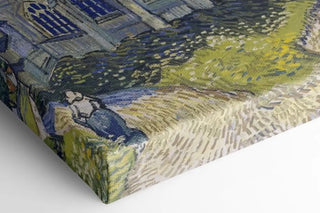
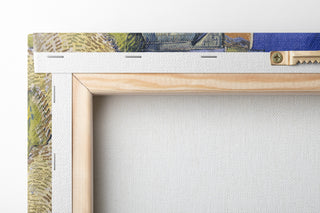
View from behind
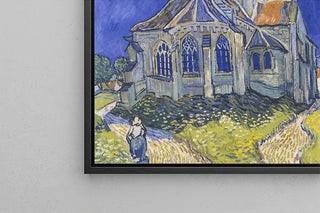
Frame (optional)
Nature morte with poultry - Willem van Aelst – Captivating introduction
The art print, often perceived as a simple assembly of inanimate objects, transcends this definition in Willem van Aelst's work. "Nature morte with poultry" is a celebration of life, an ode to the fleeting beauty of everyday things. In this composition, each element seems to tell a story, each color evokes an emotion. The artist, with remarkable technical mastery, manages to capture light and textures in a way that makes the hearts of viewers beat faster. This painting, a true living tableau, invites us to contemplate the richness of nature and the fragility of existence.
Style and uniqueness of the work
Willem van Aelst's style is distinguished by its precision and attention to detail. In "Nature morte with poultry," he uses a palette of warm colors, from earthy browns to deep reds, which enhance the warmth of the scene. The poultry, carefully arranged, is rendered with striking realism. The artist does not settle for a simple representation; he breathes life into each feather, each shadow, making it seem to vibrate on the canvas. The composition is balanced, each element finds its place, creating a visual harmony that captures the eye and the mind. Van Aelst also plays with reflections and light, using shadow play to give depth to his subjects. This attention to detail and light is what makes this work so singular and timeless.
The artist and his influence
Willem van Aelst, active in the 17th century, is one of the masters of Dutch art print. Trained in the workshops of great painters of his time, he developed a distinctive style that combines tradition and innovation. His work influenced many artists, both through his technique and his approach to subjects. Van Aelst elevated the genre of art print, raising it to the rank of major art, capable of rivaling portraits and historical scenes. His works, often commissioned by the aristocracy, testify to refined taste and a quest for perfection. By exploring themes of nature and daily life, he also opened the
Art print Still life with poultry - Willem van Aelst | Art print

-10% FROM €95 IN PURCHASES
-15% FROM €195 IN PURCHASES
Regular price
- Unit price
- per
Tax included.
Free shipping
€4.90 / Free shipping on orders over €39
Satisfied or Money Back
Free returns within 30 days
10-year warranty
Our prints are guaranteed for 10 years
Any questions? We are here!
by email to contact@artemlegrand.com
THE STEPS OF YOUR ORDER
STEP 1 - ORDER PLACED
Your order has been confirmed and we are starting production
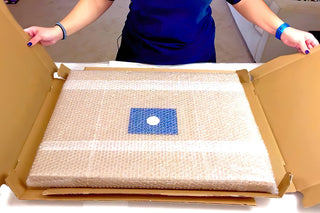
STEP 2 - SHIPPING
We ship your order. We send you an email to track the progress

STEP 3 - DELIVERY
You receive your order. You can also, according to your choice, be delivered to a relay point.
Matte finish
View from behind
Frame (optional)
Nature morte with poultry - Willem van Aelst – Captivating introduction
The art print, often perceived as a simple assembly of inanimate objects, transcends this definition in Willem van Aelst's work. "Nature morte with poultry" is a celebration of life, an ode to the fleeting beauty of everyday things. In this composition, each element seems to tell a story, each color evokes an emotion. The artist, with remarkable technical mastery, manages to capture light and textures in a way that makes the hearts of viewers beat faster. This painting, a true living tableau, invites us to contemplate the richness of nature and the fragility of existence.
Style and uniqueness of the work
Willem van Aelst's style is distinguished by its precision and attention to detail. In "Nature morte with poultry," he uses a palette of warm colors, from earthy browns to deep reds, which enhance the warmth of the scene. The poultry, carefully arranged, is rendered with striking realism. The artist does not settle for a simple representation; he breathes life into each feather, each shadow, making it seem to vibrate on the canvas. The composition is balanced, each element finds its place, creating a visual harmony that captures the eye and the mind. Van Aelst also plays with reflections and light, using shadow play to give depth to his subjects. This attention to detail and light is what makes this work so singular and timeless.
The artist and his influence
Willem van Aelst, active in the 17th century, is one of the masters of Dutch art print. Trained in the workshops of great painters of his time, he developed a distinctive style that combines tradition and innovation. His work influenced many artists, both through his technique and his approach to subjects. Van Aelst elevated the genre of art print, raising it to the rank of major art, capable of rivaling portraits and historical scenes. His works, often commissioned by the aristocracy, testify to refined taste and a quest for perfection. By exploring themes of nature and daily life, he also opened the
12,34 €