
Art print of Still Life with Dead Birds and a Game Bag - Willem van Aelst | Art print


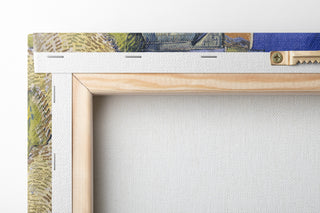
View from behind
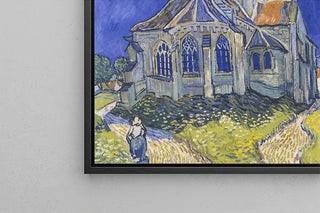
Frame (optional)
Introduction captivante
The artwork "Reproduction Nature morte aux oiseaux morts et au sac de gibier" by Willem van Aelst is part of a rich artistic tradition, where still life transcends the simple realm of everyday objects to become a true celebration of life and death. This composition, imbued with realism, captures the eye through its finesse and delicacy, while also evoking a deeper reflection on the fragility of existence. The elements that make up this piece, from carefully arranged birds to the varied textures of the game bag, tell a visual story that invites contemplation. The precision of details and the harmony of colors make this still life a shining example of Dutch Baroque art, where each object reflects a specific era and culture.
Style and uniqueness of the work
The uniqueness of this piece lies in Willem van Aelst's technical mastery, which manages to breathe life into inanimate objects. The delicate feathers of the birds, the leather of the game bag, and the play of light on surfaces create an almost tangible atmosphere. The artist uses contrasts of light and shadow to emphasize the three-dimensionality of the elements, allowing the viewer to immerse themselves in this carefully orchestrated scene. Every detail, whether it is the shine of a plumage or the texture of fabric, is rendered with precision that demonstrates a deep respect for nature. This realism, combined with a balanced composition, makes this work a perfect example of Van Aelst's virtuosity, who knows how to transform banality into an enriching aesthetic experience.
The artist and his influence
Willem van Aelst, active in the 17th century, is one of the major representatives of still life painting within the Dutch context. Trained in a rich artistic environment, he mastered the techniques of the masters while developing a personal style that sets him apart. His work reflects a fascination with nature and everyday objects, elevating them to the level of art through his unique perspective. Van Aelst influenced many contemporary and later artists, establishing standards of
Art print of Still Life with Dead Birds and a Game Bag - Willem van Aelst | Art print

-10% FROM €95 IN PURCHASES
-15% FROM €195 IN PURCHASES
Regular price
- Unit price
- per
Tax included.
Free shipping
€4.90 / Free shipping on orders over €39
Satisfied or Money Back
Free returns within 30 days
10-year warranty
Our prints are guaranteed for 10 years
Any questions? We are here!
by email to contact@artemlegrand.com
THE STEPS OF YOUR ORDER

STEP 1 - ORDER PLACED
Your order has been confirmed and we are starting production
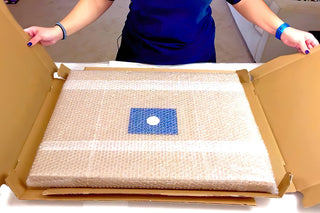
STEP 2 - SHIPPING
We ship your order. We send you an email to track the progress

STEP 3 - DELIVERY
You receive your order. You can also, according to your choice, be delivered to a relay point.
Matte finish
View from behind
Frame (optional)
Introduction captivante
The artwork "Reproduction Nature morte aux oiseaux morts et au sac de gibier" by Willem van Aelst is part of a rich artistic tradition, where still life transcends the simple realm of everyday objects to become a true celebration of life and death. This composition, imbued with realism, captures the eye through its finesse and delicacy, while also evoking a deeper reflection on the fragility of existence. The elements that make up this piece, from carefully arranged birds to the varied textures of the game bag, tell a visual story that invites contemplation. The precision of details and the harmony of colors make this still life a shining example of Dutch Baroque art, where each object reflects a specific era and culture.
Style and uniqueness of the work
The uniqueness of this piece lies in Willem van Aelst's technical mastery, which manages to breathe life into inanimate objects. The delicate feathers of the birds, the leather of the game bag, and the play of light on surfaces create an almost tangible atmosphere. The artist uses contrasts of light and shadow to emphasize the three-dimensionality of the elements, allowing the viewer to immerse themselves in this carefully orchestrated scene. Every detail, whether it is the shine of a plumage or the texture of fabric, is rendered with precision that demonstrates a deep respect for nature. This realism, combined with a balanced composition, makes this work a perfect example of Van Aelst's virtuosity, who knows how to transform banality into an enriching aesthetic experience.
The artist and his influence
Willem van Aelst, active in the 17th century, is one of the major representatives of still life painting within the Dutch context. Trained in a rich artistic environment, he mastered the techniques of the masters while developing a personal style that sets him apart. His work reflects a fascination with nature and everyday objects, elevating them to the level of art through his unique perspective. Van Aelst influenced many contemporary and later artists, establishing standards of
12,34 €