
Art print Still life with bread and sweets - Georg Flegel | Art print


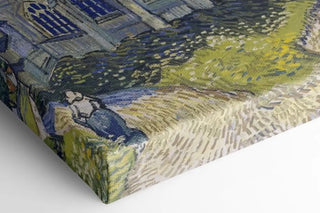
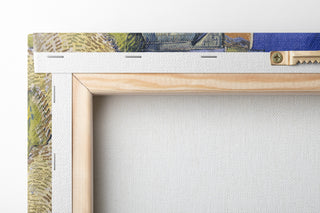
View from behind
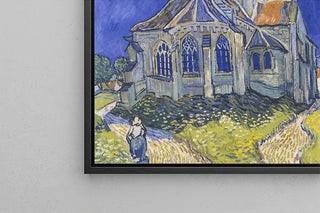
Frame (optional)
The art of still life, often perceived as a simple assembly of inanimate objects, transcends appearances to reveal an unexpected depth. The "Art print of Still Life with Bread and Sweets" by Georg Flegel is a perfect illustration of this. This painting, created in the early 17th century, invites viewers to contemplate the fleeting beauty of food and everyday objects. Through this composition, Flegel manages to capture not only the texture and color of the foods but also an atmosphere of serenity and reflection. Every element of the canvas seems to tell a story, a frozen moment in time that encourages us to appreciate the simple pleasures of life.
Style and uniqueness of the work
Georg Flegel's technical mastery is evident in every detail of his composition. The delicate nuances of the sweets, the shiny reflection of the bread, and the precision of the shadows create a striking illusion of reality. Flegel uses a subtle palette, where warm and cool tones intertwine to bring to life a scene that is both realistic and poetic. The choice of objects, ranging from refined confections to more humble foods, reflects a contemplation of wealth and poverty, but also of the fleeting nature of material pleasures. The way he arranges the elements on the table, with particular attention to the harmony of shapes and colors, makes this work a true masterpiece of still life. Each glance at this canvas reveals new details, inviting prolonged contemplation.
The artist and his influence
Georg Flegel, born in 1566, is considered one of the pioneers of still life in Europe. Trained in the flourishing artistic context of the Renaissance, he mastered the techniques of his predecessors while developing a personal style. His work is part of a movement that values the representation of everyday objects, but he manages to elevate these elements to a higher level of art. Flegel influenced many artists of his time and subsequent centuries, notably through his realistic approach and his ability to infuse an emotional dimension into seemingly banal scenes.
Art print Still life with bread and sweets - Georg Flegel | Art print

-10% FROM €95 IN PURCHASES
-15% FROM €195 IN PURCHASES
Regular price
- Unit price
- per
Tax included.
Free shipping
€4.90 / Free shipping on orders over €39
Satisfied or Money Back
Free returns within 30 days
10-year warranty
Our prints are guaranteed for 10 years
Any questions? We are here!
by email to contact@artemlegrand.com
THE STEPS OF YOUR ORDER
STEP 1 - ORDER PLACED
Your order has been confirmed and we are starting production
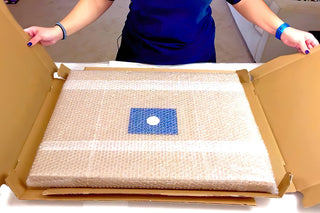
STEP 2 - SHIPPING
We ship your order. We send you an email to track the progress

STEP 3 - DELIVERY
You receive your order. You can also, according to your choice, be delivered to a relay point.
Matte finish
View from behind
Frame (optional)
The art of still life, often perceived as a simple assembly of inanimate objects, transcends appearances to reveal an unexpected depth. The "Art print of Still Life with Bread and Sweets" by Georg Flegel is a perfect illustration of this. This painting, created in the early 17th century, invites viewers to contemplate the fleeting beauty of food and everyday objects. Through this composition, Flegel manages to capture not only the texture and color of the foods but also an atmosphere of serenity and reflection. Every element of the canvas seems to tell a story, a frozen moment in time that encourages us to appreciate the simple pleasures of life.
Style and uniqueness of the work
Georg Flegel's technical mastery is evident in every detail of his composition. The delicate nuances of the sweets, the shiny reflection of the bread, and the precision of the shadows create a striking illusion of reality. Flegel uses a subtle palette, where warm and cool tones intertwine to bring to life a scene that is both realistic and poetic. The choice of objects, ranging from refined confections to more humble foods, reflects a contemplation of wealth and poverty, but also of the fleeting nature of material pleasures. The way he arranges the elements on the table, with particular attention to the harmony of shapes and colors, makes this work a true masterpiece of still life. Each glance at this canvas reveals new details, inviting prolonged contemplation.
The artist and his influence
Georg Flegel, born in 1566, is considered one of the pioneers of still life in Europe. Trained in the flourishing artistic context of the Renaissance, he mastered the techniques of his predecessors while developing a personal style. His work is part of a movement that values the representation of everyday objects, but he manages to elevate these elements to a higher level of art. Flegel influenced many artists of his time and subsequent centuries, notably through his realistic approach and his ability to infuse an emotional dimension into seemingly banal scenes.
12,34 €