
Art print Still life with bottles - Theodor Poeckh | Art print


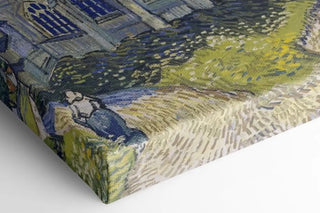
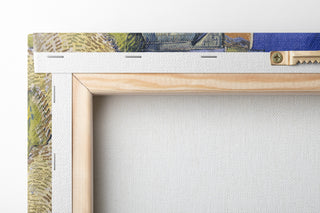
View from behind
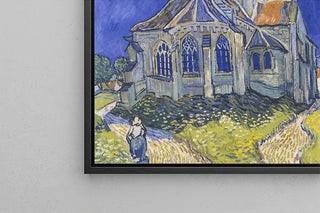
Frame (optional)
Theodor Poeckh's "Still Life with Bottles" is a true testament to the richness and depth of 17th-century painting. In a world where art intertwines with everyday life, this art print stands out for its ability to capture the very essence of ordinary objects while elevating them to an almost sacred status. The artist, through his mastery of details and textures, invites us to contemplate the mundane with a renewed intensity, thus revealing the hidden beauty in simple things. This piece, imbued with serenity, immerses us in a universe where each bottle, each reflection of light, tells a story, a memory, a moment frozen in time.
Style and uniqueness of the art print
Poeckh's style is characterized by meticulous attention to detail and a keen sense of composition. In "Still Life with Bottles," he manages to create a perfect balance between the elements present on the canvas. The bottles, with their varied shapes, stand with an almost sculptural elegance, while the play of light and shadow adds an almost tactile dimension to the work. The color palette, dominated by rich and deep tones, enhances the depth and warmth of the scene. Poeckh skillfully uses light to highlight the textures of the surfaces, whether it is the shiny glass of the bottles or the patinated wood of the table. This attention to detail not only serves to depict reality but also to evoke emotions, prompting reflection on the passage of time and the fragility of life.
The artist and his influence
Theodor Poeckh, although less well-known than other masters of his era, has nonetheless left an indelible mark on the art world. Active in the 17th century, he is part of the Baroque movement, characterized by its dynamism and visual richness. His approach to the still life genre, which experienced significant growth during this period, demonstrates a particular sensitivity to objects and their symbolism. Poeckh draws inspiration from Flemish masters but manages to develop a unique language, where each element of the composition plays a narrative role. His influence
Art print Still life with bottles - Theodor Poeckh | Art print

-10% FROM €95 IN PURCHASES
-15% FROM €195 IN PURCHASES
Regular price
- Unit price
- per
Tax included.
Free shipping
€4.90 / Free shipping on orders over €39
Satisfied or Money Back
Free returns within 30 days
10-year warranty
Our prints are guaranteed for 10 years
Any questions? We are here!
by email to contact@artemlegrand.com
THE STEPS OF YOUR ORDER
STEP 1 - ORDER PLACED
Your order has been confirmed and we are starting production
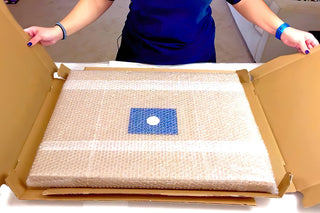
STEP 2 - SHIPPING
We ship your order. We send you an email to track the progress

STEP 3 - DELIVERY
You receive your order. You can also, according to your choice, be delivered to a relay point.
Matte finish
View from behind
Frame (optional)
Theodor Poeckh's "Still Life with Bottles" is a true testament to the richness and depth of 17th-century painting. In a world where art intertwines with everyday life, this art print stands out for its ability to capture the very essence of ordinary objects while elevating them to an almost sacred status. The artist, through his mastery of details and textures, invites us to contemplate the mundane with a renewed intensity, thus revealing the hidden beauty in simple things. This piece, imbued with serenity, immerses us in a universe where each bottle, each reflection of light, tells a story, a memory, a moment frozen in time.
Style and uniqueness of the art print
Poeckh's style is characterized by meticulous attention to detail and a keen sense of composition. In "Still Life with Bottles," he manages to create a perfect balance between the elements present on the canvas. The bottles, with their varied shapes, stand with an almost sculptural elegance, while the play of light and shadow adds an almost tactile dimension to the work. The color palette, dominated by rich and deep tones, enhances the depth and warmth of the scene. Poeckh skillfully uses light to highlight the textures of the surfaces, whether it is the shiny glass of the bottles or the patinated wood of the table. This attention to detail not only serves to depict reality but also to evoke emotions, prompting reflection on the passage of time and the fragility of life.
The artist and his influence
Theodor Poeckh, although less well-known than other masters of his era, has nonetheless left an indelible mark on the art world. Active in the 17th century, he is part of the Baroque movement, characterized by its dynamism and visual richness. His approach to the still life genre, which experienced significant growth during this period, demonstrates a particular sensitivity to objects and their symbolism. Poeckh draws inspiration from Flemish masters but manages to develop a unique language, where each element of the composition plays a narrative role. His influence
12,34 €