
Art print of Still life with apricots and butterflies - Jan Mortel


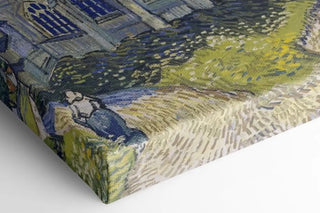
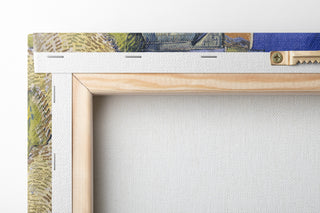
View from behind
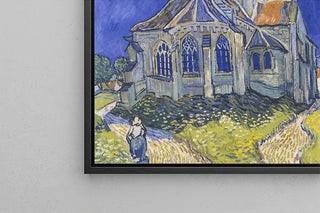
Frame (optional)
Introduction captivante
The still life, the quintessential artistic genre, is elevated in the work of Jan Mortel, titled "Reproduction of Apricot and Butterfly Still Life." This iconic piece, created in the 17th century, immerses us in a universe where the fleeting beauty of nature is captured with delicate precision. The apricots, sun-kissed fruits, are highlighted by the ethereal presence of butterflies, creating a visual dialogue between the living and the inanimate. Through this artwork, Mortel invites us to reflect on the transience of life and the permanence of art, thus questioning our relationship with time and nature. The harmony of colors and the finesse of details transport us to a world where every element matters, revealing the artist's mastery and keen sense of observation.
Style and uniqueness of the work
Jan Mortel's style is distinguished by a realistic and meticulous approach, characteristic of Flemish painters of his era. In "Reproduction of Apricot and Butterfly Still Life," each apricot is depicted with meticulous care, its shades of yellow and orange subtly blending to evoke the juicy texture of the fruit. The butterflies, for their part, add a dynamic dimension to the composition, their delicate wings unfolding gracefully. Mortel skillfully plays with light, creating shadows that give depth to his canvas. This artwork is not limited to a simple representation of objects; it also evokes an atmosphere, a sense of calm and contemplation. The balanced composition, where each element finds its place, bears witness to a harmony that echoes the beauty of nature itself.
The artist and his influence
Jan Mortel, a Flemish painter of the 17th century, is part of this lineage of artists who captured the essence of their era through works rich in symbolism and detail. Influenced by the masters of still life, Mortel developed a style that is uniquely his own, combining technical precision with artistic sensitivity. His work reflects the concerns of his time, notably the importance of nature and the pursuit of beauty in everyday life.
Art print of Still life with apricots and butterflies - Jan Mortel

-10% FROM €95 IN PURCHASES
-15% FROM €195 IN PURCHASES
Regular price
- Unit price
- per
Tax included.
Free shipping
€4.90 / Free shipping on orders over €39
Satisfied or Money Back
Free returns within 30 days
10-year warranty
Our prints are guaranteed for 10 years
Any questions? We are here!
by email to contact@artemlegrand.com
THE STEPS OF YOUR ORDER

STEP 1 - ORDER PLACED
Your order has been confirmed and we are starting production
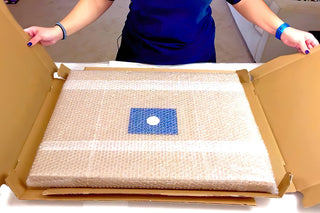
STEP 2 - SHIPPING
We ship your order. We send you an email to track the progress

STEP 3 - DELIVERY
You receive your order. You can also, according to your choice, be delivered to a relay point.
Matte finish
View from behind
Frame (optional)
Introduction captivante
The still life, the quintessential artistic genre, is elevated in the work of Jan Mortel, titled "Reproduction of Apricot and Butterfly Still Life." This iconic piece, created in the 17th century, immerses us in a universe where the fleeting beauty of nature is captured with delicate precision. The apricots, sun-kissed fruits, are highlighted by the ethereal presence of butterflies, creating a visual dialogue between the living and the inanimate. Through this artwork, Mortel invites us to reflect on the transience of life and the permanence of art, thus questioning our relationship with time and nature. The harmony of colors and the finesse of details transport us to a world where every element matters, revealing the artist's mastery and keen sense of observation.
Style and uniqueness of the work
Jan Mortel's style is distinguished by a realistic and meticulous approach, characteristic of Flemish painters of his era. In "Reproduction of Apricot and Butterfly Still Life," each apricot is depicted with meticulous care, its shades of yellow and orange subtly blending to evoke the juicy texture of the fruit. The butterflies, for their part, add a dynamic dimension to the composition, their delicate wings unfolding gracefully. Mortel skillfully plays with light, creating shadows that give depth to his canvas. This artwork is not limited to a simple representation of objects; it also evokes an atmosphere, a sense of calm and contemplation. The balanced composition, where each element finds its place, bears witness to a harmony that echoes the beauty of nature itself.
The artist and his influence
Jan Mortel, a Flemish painter of the 17th century, is part of this lineage of artists who captured the essence of their era through works rich in symbolism and detail. Influenced by the masters of still life, Mortel developed a style that is uniquely his own, combining technical precision with artistic sensitivity. His work reflects the concerns of his time, notably the importance of nature and the pursuit of beauty in everyday life.
12,34 €