
Painting The Snowy Mountain - Franz Xaver Gruber | Art print


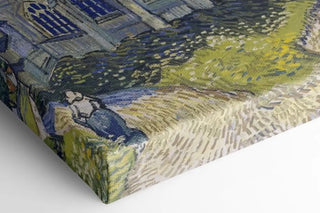
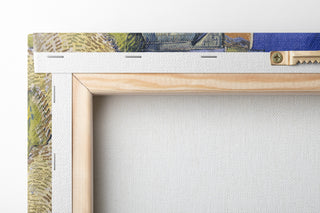
View from behind
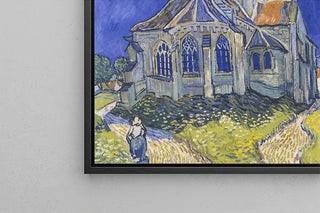
Frame (optional)
La montagne enneigée - Franz Xaver Gruber is a work that evokes the majesty and serenity of alpine landscapes. This painting, imbued with poetry, transports the viewer to the heart of wild nature, where snow-capped peaks rise majestically towards the sky. The soft light caressing the mountain slopes creates a play of shadows and light, inviting contemplation. Looking at this piece, one feels a deep connection with the timeless beauty of nature, a call to escape and daydream. The depiction of the mountains, both imposing and delicate, reminds us of nature's power as well as its capacity to inspire art and the human soul.
Style and uniqueness of the work
The style of La montagne enneigée - Franz Xaver Gruber stands out for its striking realism and attention to detail. The shades of white, blue, and gray blend harmoniously to create an atmosphere that is both soothing and majestic. Gruber manages to capture the very essence of alpine landscapes, playing with textures and reflections of snow. Each brushstroke seems imbued with a delicacy that pays homage to natural beauty, while revealing the quiet strength of the mountains. The composition is carefully balanced, inviting the eye to explore the painting and discover the subtleties of each element. This work is a true homage to nature, where every detail contributes to the overall harmony, and where the mountain almost becomes a character in its own right, a silent witness to the passing seasons.
The artist and his influence
Franz Xaver Gruber, although less known than some of his contemporaries, managed to leave his mark on his era through a unique artistic approach. Born in 1807, this artist was influenced by Romanticism, a movement that favored the expression of emotions and the celebration of nature. Gruber absorbed this spirit, using his art to express the sublime beauty of the landscapes around him. His work inspired many artists of his time, but also subsequent generations, who saw in him a precursor of a more intimate approach.
Painting The Snowy Mountain - Franz Xaver Gruber | Art print

-10% FROM €95 IN PURCHASES
-15% FROM €195 IN PURCHASES
Regular price
- Unit price
- per
Tax included.
Free shipping
€4.90 / Free shipping on orders over €39
Satisfied or Money Back
Free returns within 30 days
10-year warranty
Our prints are guaranteed for 10 years
Any questions? We are here!
by email to contact@artemlegrand.com
THE STEPS OF YOUR ORDER

STEP 1 - ORDER PLACED
Your order has been confirmed and we are starting production
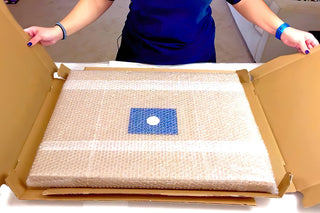
STEP 2 - SHIPPING
We ship your order. We send you an email to track the progress

STEP 3 - DELIVERY
You receive your order. You can also, according to your choice, be delivered to a relay point.
Matte finish
View from behind
Frame (optional)
La montagne enneigée - Franz Xaver Gruber is a work that evokes the majesty and serenity of alpine landscapes. This painting, imbued with poetry, transports the viewer to the heart of wild nature, where snow-capped peaks rise majestically towards the sky. The soft light caressing the mountain slopes creates a play of shadows and light, inviting contemplation. Looking at this piece, one feels a deep connection with the timeless beauty of nature, a call to escape and daydream. The depiction of the mountains, both imposing and delicate, reminds us of nature's power as well as its capacity to inspire art and the human soul.
Style and uniqueness of the work
The style of La montagne enneigée - Franz Xaver Gruber stands out for its striking realism and attention to detail. The shades of white, blue, and gray blend harmoniously to create an atmosphere that is both soothing and majestic. Gruber manages to capture the very essence of alpine landscapes, playing with textures and reflections of snow. Each brushstroke seems imbued with a delicacy that pays homage to natural beauty, while revealing the quiet strength of the mountains. The composition is carefully balanced, inviting the eye to explore the painting and discover the subtleties of each element. This work is a true homage to nature, where every detail contributes to the overall harmony, and where the mountain almost becomes a character in its own right, a silent witness to the passing seasons.
The artist and his influence
Franz Xaver Gruber, although less known than some of his contemporaries, managed to leave his mark on his era through a unique artistic approach. Born in 1807, this artist was influenced by Romanticism, a movement that favored the expression of emotions and the celebration of nature. Gruber absorbed this spirit, using his art to express the sublime beauty of the landscapes around him. His work inspired many artists of his time, but also subsequent generations, who saw in him a precursor of a more intimate approach.
12,34 €