
Art print Silence of the woman and the child - Jean-François Millet | Art print


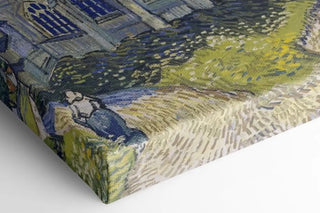
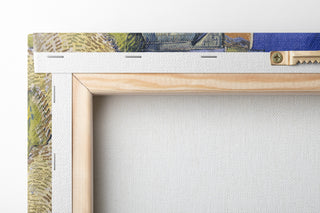
View from behind
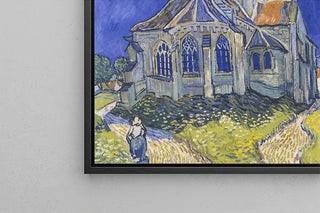
Frame (optional)
Art print Silence de la femme et de l'enfant - Jean-François Millet – Engaging introduction
In the world of art, certain works transcend the mere frame to become windows into deep emotions and silent stories. "Silence de la femme et de l'enfant" by Jean-François Millet is a perfect example. This painting, imbued with tenderness and serenity, immerses us in a moment of intimate life, where time seems to stand still. The piece evokes not only a mother's tenderness towards her child but also a reflection on human nature and the simplicity of everyday moments. Through this painting, Millet manages to capture the very essence of the maternal bond, while offering a poetic vision of rural life in the 19th century.
Style and uniqueness of the work
Millet's style is characterized by poignant realism, where human figures are rooted in a bucolic setting. In "Silence de la femme et de l'enfant," soft colors and play of light create a calming atmosphere. The composition, focused on the two protagonists, immediately draws the eye and invites introspection. The delicate features of the woman and the serene posture of the child evoke inner peace, highlighting the harmony that exists between them. Millet's technique, blending delicate brushstrokes with a subtle palette, gives the work emotional depth that resonates with the viewer. Every detail, from the drape of the mother's dress to the peaceful expression of the child, contributes to the visual and emotional impact of this intimate scene.
The artist and his influence
Jean-François Millet, an emblematic figure of the realist movement, captured the lives of peasants with rare sensitivity. Born in 1814, he dedicated his career to representing humble workers of the land, highlighting their dignity and daily struggles. Millet was influenced by the ideals of his time, seeking to give a voice to those often invisible in academic art. His humanist approach and respect for nature and human beings marked a turning point in art history. "Silence de la femme et de l'enfant" perfectly illustrates this philosophy, celebrating
Art print Silence of the woman and the child - Jean-François Millet | Art print

-10% FROM €95 IN PURCHASES
-15% FROM €195 IN PURCHASES
Regular price
- Unit price
- per
Tax included.
Free shipping
€4.90 / Free shipping on orders over €39
Satisfied or Money Back
Free returns within 30 days
10-year warranty
Our prints are guaranteed for 10 years
Any questions? We are here!
by email to contact@artemlegrand.com
THE STEPS OF YOUR ORDER

STEP 1 - ORDER PLACED
Your order has been confirmed and we are starting production
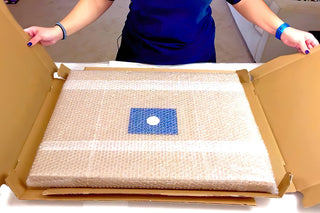
STEP 2 - SHIPPING
We ship your order. We send you an email to track the progress

STEP 3 - DELIVERY
You receive your order. You can also, according to your choice, be delivered to a relay point.
Matte finish
View from behind
Frame (optional)
Art print Silence de la femme et de l'enfant - Jean-François Millet – Engaging introduction
In the world of art, certain works transcend the mere frame to become windows into deep emotions and silent stories. "Silence de la femme et de l'enfant" by Jean-François Millet is a perfect example. This painting, imbued with tenderness and serenity, immerses us in a moment of intimate life, where time seems to stand still. The piece evokes not only a mother's tenderness towards her child but also a reflection on human nature and the simplicity of everyday moments. Through this painting, Millet manages to capture the very essence of the maternal bond, while offering a poetic vision of rural life in the 19th century.
Style and uniqueness of the work
Millet's style is characterized by poignant realism, where human figures are rooted in a bucolic setting. In "Silence de la femme et de l'enfant," soft colors and play of light create a calming atmosphere. The composition, focused on the two protagonists, immediately draws the eye and invites introspection. The delicate features of the woman and the serene posture of the child evoke inner peace, highlighting the harmony that exists between them. Millet's technique, blending delicate brushstrokes with a subtle palette, gives the work emotional depth that resonates with the viewer. Every detail, from the drape of the mother's dress to the peaceful expression of the child, contributes to the visual and emotional impact of this intimate scene.
The artist and his influence
Jean-François Millet, an emblematic figure of the realist movement, captured the lives of peasants with rare sensitivity. Born in 1814, he dedicated his career to representing humble workers of the land, highlighting their dignity and daily struggles. Millet was influenced by the ideals of his time, seeking to give a voice to those often invisible in academic art. His humanist approach and respect for nature and human beings marked a turning point in art history. "Silence de la femme et de l'enfant" perfectly illustrates this philosophy, celebrating
12,34 €