
Art print Sainte Martine refuse d'adorer les idoles - Pietro da Cortona | Art print


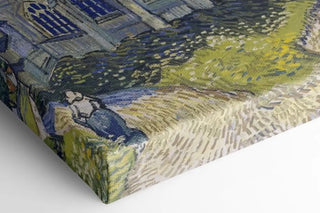
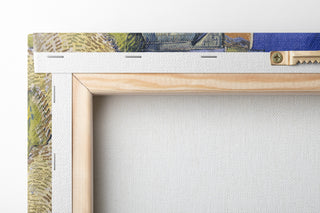
View from behind
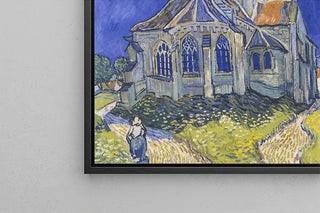
Frame (optional)
The artwork "Sainte Martine refuse d'adorer les idoles" by Pietro da Cortona is a masterpiece of Italian Baroque, offering a poignant insight into faith and sacrifice. This painting, which depicts a key moment in the life of Saint Martine, evokes the inner strength of a woman in the face of oppression. The artist, through a play of light and shadow, manages to capture the emotional intensity of this scene, inviting the viewer to reflect on the nature of courage and conviction. In this painting, the dramatic tension is palpable, making the work not only a religious representation but also a profound exploration of human struggles.
Style and uniqueness of the work
Pietro da Cortona's style is distinguished by its dynamism and bold use of color. In "Sainte Martine refuse d'adorer les idoles," the figures are rendered with great expressiveness, with faces revealing a multitude of emotions. Cortona employs diagonal compositions, creating a movement that guides the viewer's gaze across the canvas. The light, a source of life in the work, illuminates the main characters while leaving the backgrounds in suggestive darkness, thus accentuating the drama of the scene. The details, from sumptuous draperies to facial expressions, testify to exceptional craftsmanship and meticulous attention to narrative elements. This blend of realism and idealism, characteristic of the baroque, gives the work a depth that transcends mere storytelling.
The artist and his influence
Pietro da Cortona, an emblematic figure of the baroque, left an indelible mark on art history. Born in 1596 in Cortona, Tuscany, he quickly gained fame thanks to his exceptional talent for painting and architecture. Cortona mastered the fusion of Caravaggio's influences and classical art, creating a style that is uniquely his own, combining grandeur and intimacy. His work inspired many contemporary and later artists, helping to shape the artistic landscape of his time. Religious themes, often at the heart of his creations, are treated with a
Art print Sainte Martine refuse d'adorer les idoles - Pietro da Cortona | Art print

-10% FROM €95 IN PURCHASES
-15% FROM €195 IN PURCHASES
Regular price
- Unit price
- per
Tax included.
Free shipping
€4.90 / Free shipping on orders over €39
Satisfied or Money Back
Free returns within 30 days
10-year warranty
Our prints are guaranteed for 10 years
Any questions? We are here!
by email to contact@artemlegrand.com
THE STEPS OF YOUR ORDER

STEP 1 - ORDER PLACED
Your order has been confirmed and we are starting production
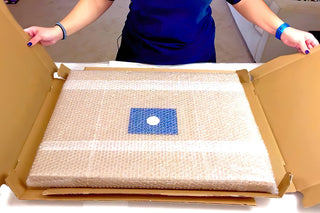
STEP 2 - SHIPPING
We ship your order. We send you an email to track the progress

STEP 3 - DELIVERY
You receive your order. You can also, according to your choice, be delivered to a relay point.
Matte finish
View from behind
Frame (optional)
The artwork "Sainte Martine refuse d'adorer les idoles" by Pietro da Cortona is a masterpiece of Italian Baroque, offering a poignant insight into faith and sacrifice. This painting, which depicts a key moment in the life of Saint Martine, evokes the inner strength of a woman in the face of oppression. The artist, through a play of light and shadow, manages to capture the emotional intensity of this scene, inviting the viewer to reflect on the nature of courage and conviction. In this painting, the dramatic tension is palpable, making the work not only a religious representation but also a profound exploration of human struggles.
Style and uniqueness of the work
Pietro da Cortona's style is distinguished by its dynamism and bold use of color. In "Sainte Martine refuse d'adorer les idoles," the figures are rendered with great expressiveness, with faces revealing a multitude of emotions. Cortona employs diagonal compositions, creating a movement that guides the viewer's gaze across the canvas. The light, a source of life in the work, illuminates the main characters while leaving the backgrounds in suggestive darkness, thus accentuating the drama of the scene. The details, from sumptuous draperies to facial expressions, testify to exceptional craftsmanship and meticulous attention to narrative elements. This blend of realism and idealism, characteristic of the baroque, gives the work a depth that transcends mere storytelling.
The artist and his influence
Pietro da Cortona, an emblematic figure of the baroque, left an indelible mark on art history. Born in 1596 in Cortona, Tuscany, he quickly gained fame thanks to his exceptional talent for painting and architecture. Cortona mastered the fusion of Caravaggio's influences and classical art, creating a style that is uniquely his own, combining grandeur and intimacy. His work inspired many contemporary and later artists, helping to shape the artistic landscape of his time. Religious themes, often at the heart of his creations, are treated with a
12,34 €