
Saint Augustine - Philippe de Champaigne | Art print


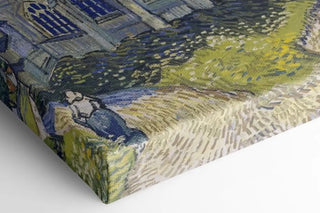
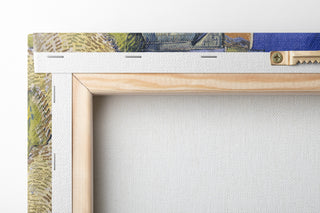
View from behind
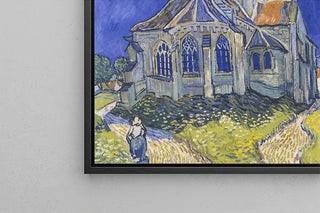
Frame (optional)
Saint Augustine - Philippe de Champaigne – Captivating Introduction
The "Saint Augustine" art print by Philippe de Champaigne is a work that transports the viewer into a spiritual and intellectual universe of unparalleled depth. Created in the 17th century, this canvas embodies the meeting between Christian faith and ancient philosophy, while reflecting the concerns of its time. The artist, by choosing to depict this great theologian and philosopher, invites us to contemplate the complexity of the human condition through the lens of spirituality. The soft light enveloping Augustine's figure, as well as the expressiveness of his face, immerse us in a meditation on faith, knowledge, and introspection. This piece, through its symbolic richness and technical mastery, remains a must-see in the artistic heritage.
Style and uniqueness of the work
Champaigne's work is characterized by a baroque style distinguished by its attention to detail and dramatic use of light. In "Saint Augustine," the artist manages to capture the very essence of his subject with a palette of warm colors and shadow play that enhance the emotional depth of the scene. Augustine's posture, thoughtful and turned toward the book he holds, evokes a quest for knowledge and truth. The drapery of his garment, carefully rendered, demonstrates technical mastery that gives the entire piece a sense of movement and life. Every element of the composition, from the objects present to the facial expressions, is carefully orchestrated to serve the spiritual message of the work. Thus, the uniqueness of "Saint Augustine" lies not only in its iconographic representation but also in the way it invites personal reflection on faith and reason.
The artist and his influence
Philippe de Champaigne, born in Brussels and active in Paris, is one of the masters of French classicism. Influenced by Caravaggio and the great masters of the Renaissance, he developed a style that is uniquely his own, combining rigor and expressiveness. His career is marked by religious commissions, which testify to his commitment to spiritual themes. Champaigne also played a major role in the development of French painting, integrating
Saint Augustine - Philippe de Champaigne | Art print

-10% FROM €95 IN PURCHASES
-15% FROM €195 IN PURCHASES
Regular price
- Unit price
- per
Tax included.
Free shipping
€4.90 / Free shipping on orders over €39
Satisfied or Money Back
Free returns within 30 days
10-year warranty
Our prints are guaranteed for 10 years
Any questions? We are here!
by email to contact@artemlegrand.com
THE STEPS OF YOUR ORDER
STEP 1 - ORDER PLACED
Your order has been confirmed and we are starting production
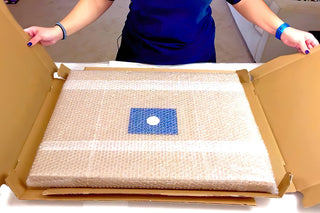
STEP 2 - SHIPPING
We ship your order. We send you an email to track the progress

STEP 3 - DELIVERY
You receive your order. You can also, according to your choice, be delivered to a relay point.
Matte finish
View from behind
Frame (optional)
Saint Augustine - Philippe de Champaigne – Captivating Introduction
The "Saint Augustine" art print by Philippe de Champaigne is a work that transports the viewer into a spiritual and intellectual universe of unparalleled depth. Created in the 17th century, this canvas embodies the meeting between Christian faith and ancient philosophy, while reflecting the concerns of its time. The artist, by choosing to depict this great theologian and philosopher, invites us to contemplate the complexity of the human condition through the lens of spirituality. The soft light enveloping Augustine's figure, as well as the expressiveness of his face, immerse us in a meditation on faith, knowledge, and introspection. This piece, through its symbolic richness and technical mastery, remains a must-see in the artistic heritage.
Style and uniqueness of the work
Champaigne's work is characterized by a baroque style distinguished by its attention to detail and dramatic use of light. In "Saint Augustine," the artist manages to capture the very essence of his subject with a palette of warm colors and shadow play that enhance the emotional depth of the scene. Augustine's posture, thoughtful and turned toward the book he holds, evokes a quest for knowledge and truth. The drapery of his garment, carefully rendered, demonstrates technical mastery that gives the entire piece a sense of movement and life. Every element of the composition, from the objects present to the facial expressions, is carefully orchestrated to serve the spiritual message of the work. Thus, the uniqueness of "Saint Augustine" lies not only in its iconographic representation but also in the way it invites personal reflection on faith and reason.
The artist and his influence
Philippe de Champaigne, born in Brussels and active in Paris, is one of the masters of French classicism. Influenced by Caravaggio and the great masters of the Renaissance, he developed a style that is uniquely his own, combining rigor and expressiveness. His career is marked by religious commissions, which testify to his commitment to spiritual themes. Champaigne also played a major role in the development of French painting, integrating
12,34 €