
Art print Roses, tulips, irises, and other flowers in a vase on a ledge with a lizard, a kite, and a snail - Jacob Marrel


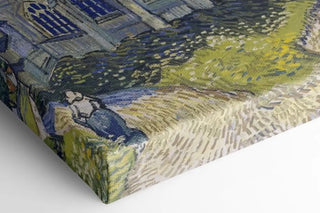
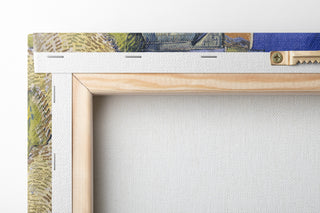
View from behind
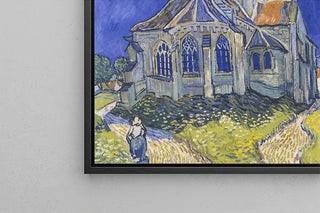
Frame (optional)
Roses, tulips, irises, and other flowers in a stoneware vase on a ledge with a lizard, a kite, and a snail - Jacob Marrel – Captivating Introduction
The artwork "Roses, tulips, irises, and other flowers in a stoneware vase on a ledge with a lizard, a kite, and a snail" by Jacob Marrel immerses us in a stunning floral universe. This painting, emblematic of the 17th century, is an ode to nature, where each petal and color seems to vibrate with its own life. Marrel, a master of still life, manages to capture the ephemeral through a harmonious composition where the delicacy of the flowers blends with unexpected elements such as a lizard and a kite. This piece is not merely a floral arrangement; it evokes emotions, memories, and invites us to contemplate the fragile beauty of life.
Style and uniqueness of the work
Marrel's style is distinguished by its meticulousness and attention to detail. Each flower is depicted with almost scientific precision, revealing the artist's virtuosity. Roses, tulips, and irises, carefully arranged in a stoneware vase, take on an almost tactile dimension, as if one could feel their scent. Light plays a crucial role in this composition, illuminating the vivid colors and creating delicate shadows that add depth. The presence of the lizard and the kite, unexpected elements in a still life, gives the work a narrative dimension. They seem to invite the viewer to question the link between nature and artifice, between natural beauty and human creations. This painting is thus a true celebration of life, a reminder of the ephemeral beauty that surrounds us.
The artist and his influence
Jacob Marrel, born in 1613 in Germany, is among the pioneers of the still life genre. Influenced by Flemish masters, he developed a style that is uniquely his own, combining finesse and brilliance. His work marked his era and had a lasting influence on subsequent generations. By incorporating elements of daily life into his works, Marrel managed to give a new dimension
Art print Roses, tulips, irises, and other flowers in a vase on a ledge with a lizard, a kite, and a snail - Jacob Marrel

-10% FROM €95 IN PURCHASES
-15% FROM €195 IN PURCHASES
Regular price
- Unit price
- per
Tax included.
Free shipping
€4.90 / Free shipping on orders over €39
Satisfied or Money Back
Free returns within 30 days
10-year warranty
Our prints are guaranteed for 10 years
Any questions? We are here!
by email to contact@artemlegrand.com
THE STEPS OF YOUR ORDER

STEP 1 - ORDER PLACED
Your order has been confirmed and we are starting production
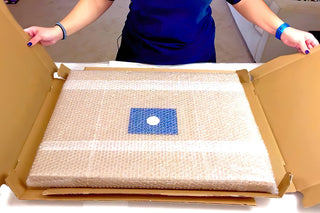
STEP 2 - SHIPPING
We ship your order. We send you an email to track the progress

STEP 3 - DELIVERY
You receive your order. You can also, according to your choice, be delivered to a relay point.
Matte finish
View from behind
Frame (optional)
Roses, tulips, irises, and other flowers in a stoneware vase on a ledge with a lizard, a kite, and a snail - Jacob Marrel – Captivating Introduction
The artwork "Roses, tulips, irises, and other flowers in a stoneware vase on a ledge with a lizard, a kite, and a snail" by Jacob Marrel immerses us in a stunning floral universe. This painting, emblematic of the 17th century, is an ode to nature, where each petal and color seems to vibrate with its own life. Marrel, a master of still life, manages to capture the ephemeral through a harmonious composition where the delicacy of the flowers blends with unexpected elements such as a lizard and a kite. This piece is not merely a floral arrangement; it evokes emotions, memories, and invites us to contemplate the fragile beauty of life.
Style and uniqueness of the work
Marrel's style is distinguished by its meticulousness and attention to detail. Each flower is depicted with almost scientific precision, revealing the artist's virtuosity. Roses, tulips, and irises, carefully arranged in a stoneware vase, take on an almost tactile dimension, as if one could feel their scent. Light plays a crucial role in this composition, illuminating the vivid colors and creating delicate shadows that add depth. The presence of the lizard and the kite, unexpected elements in a still life, gives the work a narrative dimension. They seem to invite the viewer to question the link between nature and artifice, between natural beauty and human creations. This painting is thus a true celebration of life, a reminder of the ephemeral beauty that surrounds us.
The artist and his influence
Jacob Marrel, born in 1613 in Germany, is among the pioneers of the still life genre. Influenced by Flemish masters, he developed a style that is uniquely his own, combining finesse and brilliance. His work marked his era and had a lasting influence on subsequent generations. By incorporating elements of daily life into his works, Marrel managed to give a new dimension
12,34 €