
Painting Rosa villosa pomifera - Pierre Joseph Redouté | Art print


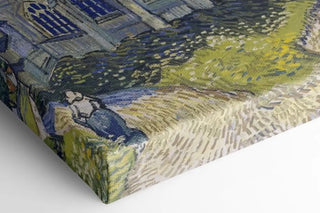
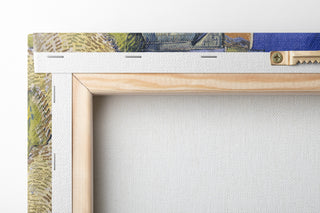
View from behind
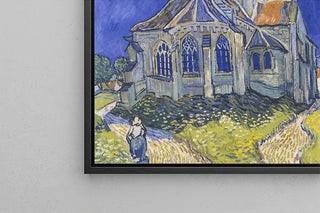
Frame (optional)
In the fascinating world of artistic botany, the art print "Rosa villosa pomifera" by Pierre Joseph Redouté stands out for its delicacy and precision. This floral representation, imbued with poetry, invites viewers to immerse themselves in a world where nature and art meet harmoniously. Redouté, nicknamed the "Raphael of flowers," captured the very essence of the rose, revealing not only its external beauty but also the depth of its symbolism. The piece serves as an ode to nature, reflecting a time when botany was both a science and an art, a true reflection of the sensibility of the 18th century.
Style and uniqueness of the work
The "Rosa villosa pomifera" is a striking example of Redouté's unique style, which combines scientific rigor with artistic sensitivity. Every petal, every leaf is rendered with exceptional meticulousness, demonstrating thorough observation. The color palette, subtle and nuanced, evokes the delicacy of the flower while offering visual depth that captures the eye. The artist plays with light and shadow, creating contrasts that highlight the organic shapes of the rose. By choosing to depict this specific variety, Redouté not only celebrates the beauty of the flower but also emphasizes its role in the ecosystem, reminding viewers of the interconnectedness between nature and art.
The artist and his influence
Pierre Joseph Redouté, born in 1759 in Saint-Hubert, Belgium, became an emblematic figure of floral art. Trained in both botany and painting, he skillfully combined these disciplines to create works that transcend simple floral representations. His legacy endures, influencing generations of artists and botanists. Redouté collaborated with renowned scientists and botanists, which allowed him to incorporate the latest discoveries of his time. His meticulous approach and passion for nature made him a pioneer in the field of botanical illustration, and his works continue to be a source of
Painting Rosa villosa pomifera - Pierre Joseph Redouté | Art print

-10% FROM €95 IN PURCHASES
-15% FROM €195 IN PURCHASES
Regular price
- Unit price
- per
Tax included.
Free shipping
€4.90 / Free shipping on orders over €39
Satisfied or Money Back
Free returns within 30 days
10-year warranty
Our prints are guaranteed for 10 years
Any questions? We are here!
by email to contact@artemlegrand.com
THE STEPS OF YOUR ORDER

STEP 1 - ORDER PLACED
Your order has been confirmed and we are starting production
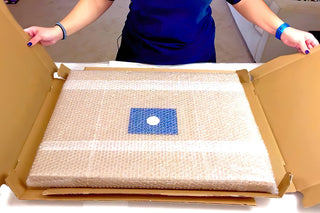
STEP 2 - SHIPPING
We ship your order. We send you an email to track the progress

STEP 3 - DELIVERY
You receive your order. You can also, according to your choice, be delivered to a relay point.
Matte finish
View from behind
Frame (optional)
In the fascinating world of artistic botany, the art print "Rosa villosa pomifera" by Pierre Joseph Redouté stands out for its delicacy and precision. This floral representation, imbued with poetry, invites viewers to immerse themselves in a world where nature and art meet harmoniously. Redouté, nicknamed the "Raphael of flowers," captured the very essence of the rose, revealing not only its external beauty but also the depth of its symbolism. The piece serves as an ode to nature, reflecting a time when botany was both a science and an art, a true reflection of the sensibility of the 18th century.
Style and uniqueness of the work
The "Rosa villosa pomifera" is a striking example of Redouté's unique style, which combines scientific rigor with artistic sensitivity. Every petal, every leaf is rendered with exceptional meticulousness, demonstrating thorough observation. The color palette, subtle and nuanced, evokes the delicacy of the flower while offering visual depth that captures the eye. The artist plays with light and shadow, creating contrasts that highlight the organic shapes of the rose. By choosing to depict this specific variety, Redouté not only celebrates the beauty of the flower but also emphasizes its role in the ecosystem, reminding viewers of the interconnectedness between nature and art.
The artist and his influence
Pierre Joseph Redouté, born in 1759 in Saint-Hubert, Belgium, became an emblematic figure of floral art. Trained in both botany and painting, he skillfully combined these disciplines to create works that transcend simple floral representations. His legacy endures, influencing generations of artists and botanists. Redouté collaborated with renowned scientists and botanists, which allowed him to incorporate the latest discoveries of his time. His meticulous approach and passion for nature made him a pioneer in the field of botanical illustration, and his works continue to be a source of
12,34 €