
Art print Landscape with rocky terrain, farmers, and livestock - Samuel Hieronymus Grimm | Art print


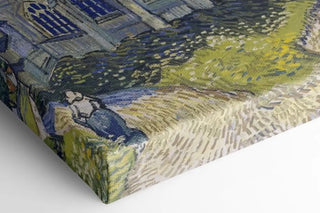
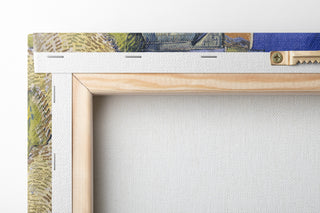
View from behind
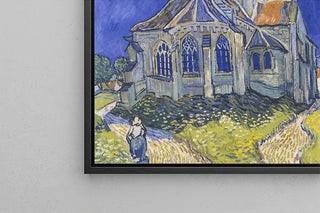
Frame (optional)
Paysage rocheux with farmers and livestock - Samuel Hieronymus Grimm – Captivating Introduction
At the heart of 18th-century landscape art, the artwork "Paysage rocheux with farmers and livestock" by Samuel Hieronymus Grimm stands as a true ode to nature and rural life. This painting, depicting a territory where man and animal coexist harmoniously with the landscape, invites deep contemplation of natural elements. The depiction of the earth, rocks, and human figures intertwines to form a lively tableau, where every detail tells a story. This masterpiece resonates with a sensitivity that transcends time, allowing the viewer to immerse themselves in a world where the beauty of nature blends with the simplicity of everyday life.
Style and uniqueness of the work
Grimm's style is characterized by meticulous attention to detail and a color palette that evokes the softness of European landscapes. In "Paysage rocheux with farmers and livestock," the artist manages to capture light in a way that brings each element of the painting to life. The shadows cast by the rocks, the texture of the trees, and the posture of the farmers are all testaments to his talent. The work stands out for its ability to balance realistic representation of nature with a certain idealization of rural life. The farmers, though modest, are presented with dignity, and the livestock, a symbol of agriculture, adds a touch of vitality to the scene. This painting does not merely reproduce reality; it embellishes it, offering a poetic vision of rural life.
The artist and his influence
Samuel Hieronymus Grimm, born in Switzerland in 1733, made his mark with his unique approach to landscape painting. Raised in an environment where nature was omnipresent, he developed a keen eye for the nuances and textures of the world around him. Grimm was influenced by the masters of Dutch landscape painting and also incorporated elements of the emerging Romantic tradition. His work inspired many contemporary and later artists, who saw in him a precursor to modern landscape painting. Through his artworks, he contributed
Art print Landscape with rocky terrain, farmers, and livestock - Samuel Hieronymus Grimm | Art print

-10% FROM €95 IN PURCHASES
-15% FROM €195 IN PURCHASES
Regular price
- Unit price
- per
Tax included.
Free shipping
€4.90 / Free shipping on orders over €39
Satisfied or Money Back
Free returns within 30 days
10-year warranty
Our prints are guaranteed for 10 years
Any questions? We are here!
by email to contact@artemlegrand.com
THE STEPS OF YOUR ORDER

STEP 1 - ORDER PLACED
Your order has been confirmed and we are starting production
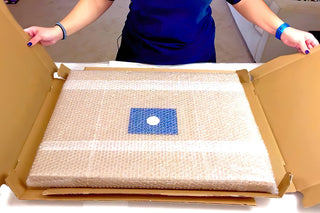
STEP 2 - SHIPPING
We ship your order. We send you an email to track the progress

STEP 3 - DELIVERY
You receive your order. You can also, according to your choice, be delivered to a relay point.
Matte finish
View from behind
Frame (optional)
Paysage rocheux with farmers and livestock - Samuel Hieronymus Grimm – Captivating Introduction
At the heart of 18th-century landscape art, the artwork "Paysage rocheux with farmers and livestock" by Samuel Hieronymus Grimm stands as a true ode to nature and rural life. This painting, depicting a territory where man and animal coexist harmoniously with the landscape, invites deep contemplation of natural elements. The depiction of the earth, rocks, and human figures intertwines to form a lively tableau, where every detail tells a story. This masterpiece resonates with a sensitivity that transcends time, allowing the viewer to immerse themselves in a world where the beauty of nature blends with the simplicity of everyday life.
Style and uniqueness of the work
Grimm's style is characterized by meticulous attention to detail and a color palette that evokes the softness of European landscapes. In "Paysage rocheux with farmers and livestock," the artist manages to capture light in a way that brings each element of the painting to life. The shadows cast by the rocks, the texture of the trees, and the posture of the farmers are all testaments to his talent. The work stands out for its ability to balance realistic representation of nature with a certain idealization of rural life. The farmers, though modest, are presented with dignity, and the livestock, a symbol of agriculture, adds a touch of vitality to the scene. This painting does not merely reproduce reality; it embellishes it, offering a poetic vision of rural life.
The artist and his influence
Samuel Hieronymus Grimm, born in Switzerland in 1733, made his mark with his unique approach to landscape painting. Raised in an environment where nature was omnipresent, he developed a keen eye for the nuances and textures of the world around him. Grimm was influenced by the masters of Dutch landscape painting and also incorporated elements of the emerging Romantic tradition. His work inspired many contemporary and later artists, who saw in him a precursor to modern landscape painting. Through his artworks, he contributed
12,34 €