
Art print Rochers et maçonnerie envahie par la végétation au Bengale - George Chinnery


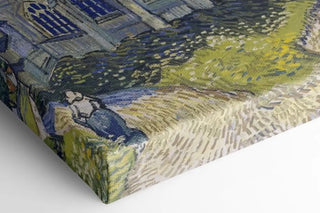
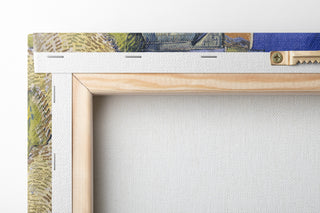
View from behind
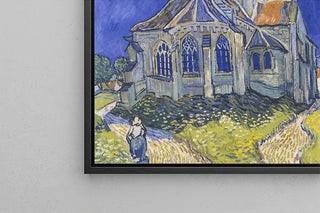
Frame (optional)
In a remote corner of the world, where nature and architecture intertwine, stands the captivating work of George Chinnery, titled "Rochers et maçonnerie envahie par la végétation au Bengale". This piece, imbued with visual poetry, transports us to the banks of Bengal, where the exuberance of tropical flora seems to overshadow human constructions. Chinnery, a true observer of his time, captures not only a landscape but also the spirit of a place where wild beauty and architectural decadence coexist. Through this artwork, viewers are invited to contemplate a dialogue between man and nature, a timeless theme that still resonates today.
Style and uniqueness of the work
Chinnery's style is distinguished by his ability to blend realism with an almost romantic approach to nature. In "Rochers et maçonnerie envahie par la végétation au Bengale", the meticulous details of rocks and structures merge with lush vegetation, creating an atmosphere of abandonment and renewal. The vibrant colors, ranging from deep greens to warm ochres, evoke a rich palette that captures the very essence of the Indian landscape. The artist skillfully plays with light, highlighting the textures of surfaces, whether rough or smooth. This work stands as an ode to ephemeral beauty, where each element, natural or constructed, tells a story of transformation and harmony.
The artist and his influence
George Chinnery, born in 1774 in England, established himself as one of the most influential painters of his time, particularly within the artistic community in India. His career began in London, but it was through his travels in Asia, notably in India and China, that he truly found his inspiration. Chinnery was able to capture the spirit of these lands by incorporating elements of local culture into his art. His influence is felt not only among his contemporaries but also among subsequent generations of artists. Exploring themes such
Art print Rochers et maçonnerie envahie par la végétation au Bengale - George Chinnery

-10% FROM €95 IN PURCHASES
-15% FROM €195 IN PURCHASES
Regular price
- Unit price
- per
Tax included.
Free shipping
€4.90 / Free shipping on orders over €39
Satisfied or Money Back
Free returns within 30 days
10-year warranty
Our prints are guaranteed for 10 years
Any questions? We are here!
by email to contact@artemlegrand.com
THE STEPS OF YOUR ORDER

STEP 1 - ORDER PLACED
Your order has been confirmed and we are starting production
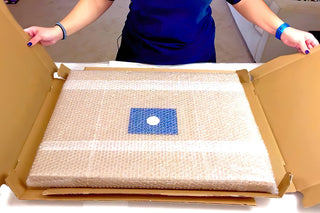
STEP 2 - SHIPPING
We ship your order. We send you an email to track the progress

STEP 3 - DELIVERY
You receive your order. You can also, according to your choice, be delivered to a relay point.
Matte finish
View from behind
Frame (optional)
In a remote corner of the world, where nature and architecture intertwine, stands the captivating work of George Chinnery, titled "Rochers et maçonnerie envahie par la végétation au Bengale". This piece, imbued with visual poetry, transports us to the banks of Bengal, where the exuberance of tropical flora seems to overshadow human constructions. Chinnery, a true observer of his time, captures not only a landscape but also the spirit of a place where wild beauty and architectural decadence coexist. Through this artwork, viewers are invited to contemplate a dialogue between man and nature, a timeless theme that still resonates today.
Style and uniqueness of the work
Chinnery's style is distinguished by his ability to blend realism with an almost romantic approach to nature. In "Rochers et maçonnerie envahie par la végétation au Bengale", the meticulous details of rocks and structures merge with lush vegetation, creating an atmosphere of abandonment and renewal. The vibrant colors, ranging from deep greens to warm ochres, evoke a rich palette that captures the very essence of the Indian landscape. The artist skillfully plays with light, highlighting the textures of surfaces, whether rough or smooth. This work stands as an ode to ephemeral beauty, where each element, natural or constructed, tells a story of transformation and harmony.
The artist and his influence
George Chinnery, born in 1774 in England, established himself as one of the most influential painters of his time, particularly within the artistic community in India. His career began in London, but it was through his travels in Asia, notably in India and China, that he truly found his inspiration. Chinnery was able to capture the spirit of these lands by incorporating elements of local culture into his art. His influence is felt not only among his contemporaries but also among subsequent generations of artists. Exploring themes such
12,34 €