
Art print of a river scene with rocky hills in the background - Kawabata Gyokushō


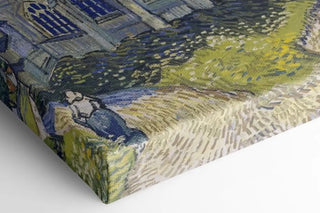
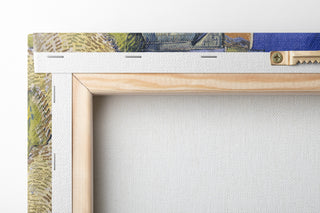
View from behind
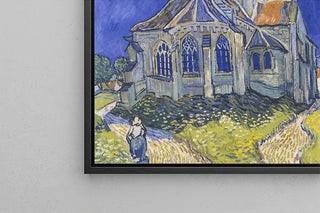
Frame (optional)
Scene of a river with rocky hills in the background - Kawabata Gyokushō – Captivating introduction
In the fascinating world of Japanese art, the "Scene of a river with rocky hills in the background" by Kawabata Gyokushō emerges as a masterpiece that transports the viewer to a landscape filled with serenity and poetry. This artwork, both delicate and powerful, evokes the timeless beauty of rivers and hills, revealing the deep connection between man and nature. Contemplating this scene, one is immediately immersed in a world where natural elements blend harmoniously, inviting meditation and daydreaming. The art print of this piece offers a window into the artist's soul, while allowing appreciation of the finesse of its execution.
Style and uniqueness of the work
Kawabata Gyokushō, master of the nihonga style, stands out for his ability to capture the light and atmosphere of a landscape with remarkable precision. In "Scene of a river with rocky hills in the background," the chosen color palette is both subtle and rich, oscillating between soft hues and deeper shades that evoke the depth of waters and the majesty of the hills. The meticulous details, such as reflections on the water and textures of the rocks, testify to exceptional craftsmanship. The work does not merely depict a landscape; it tells a story, that of a suspended moment in time, where nature reveals itself in all its splendor. This immersive approach allows the viewer to feel the emotions the artist wished to convey, thus creating a strong emotional connection between the artwork and its observer.
The artist and his influence
Kawabata Gyokushō, active in the early 20th century, is an iconic figure in Japanese art who successfully combined tradition and modernity. As a representative of the nihonga movement, he contributed to the preservation of ancient techniques while adapting them to contemporary sensibilities. His work, characterized by a deep admiration for nature, reflects Japanese aesthetic philosophies, such as wabi-sabi, which celebrates the beauty of the
Art print of a river scene with rocky hills in the background - Kawabata Gyokushō

-10% FROM €95 IN PURCHASES
-15% FROM €195 IN PURCHASES
Regular price
- Unit price
- per
Tax included.
Free shipping
€4.90 / Free shipping on orders over €39
Satisfied or Money Back
Free returns within 30 days
10-year warranty
Our prints are guaranteed for 10 years
Any questions? We are here!
by email to contact@artemlegrand.com
THE STEPS OF YOUR ORDER

STEP 1 - ORDER PLACED
Your order has been confirmed and we are starting production

STEP 2 - SHIPPING
We ship your order. We send you an email to track the progress

STEP 3 - DELIVERY
You receive your order. You can also, according to your choice, be delivered to a relay point.
Matte finish
View from behind
Frame (optional)
Scene of a river with rocky hills in the background - Kawabata Gyokushō – Captivating introduction
In the fascinating world of Japanese art, the "Scene of a river with rocky hills in the background" by Kawabata Gyokushō emerges as a masterpiece that transports the viewer to a landscape filled with serenity and poetry. This artwork, both delicate and powerful, evokes the timeless beauty of rivers and hills, revealing the deep connection between man and nature. Contemplating this scene, one is immediately immersed in a world where natural elements blend harmoniously, inviting meditation and daydreaming. The art print of this piece offers a window into the artist's soul, while allowing appreciation of the finesse of its execution.
Style and uniqueness of the work
Kawabata Gyokushō, master of the nihonga style, stands out for his ability to capture the light and atmosphere of a landscape with remarkable precision. In "Scene of a river with rocky hills in the background," the chosen color palette is both subtle and rich, oscillating between soft hues and deeper shades that evoke the depth of waters and the majesty of the hills. The meticulous details, such as reflections on the water and textures of the rocks, testify to exceptional craftsmanship. The work does not merely depict a landscape; it tells a story, that of a suspended moment in time, where nature reveals itself in all its splendor. This immersive approach allows the viewer to feel the emotions the artist wished to convey, thus creating a strong emotional connection between the artwork and its observer.
The artist and his influence
Kawabata Gyokushō, active in the early 20th century, is an iconic figure in Japanese art who successfully combined tradition and modernity. As a representative of the nihonga movement, he contributed to the preservation of ancient techniques while adapting them to contemporary sensibilities. His work, characterized by a deep admiration for nature, reflects Japanese aesthetic philosophies, such as wabi-sabi, which celebrates the beauty of the
12,34 €