
Painting Prince Klemens Wenzel Lothar von Metternich 1773-1859 - Friedrich Johann Gottlieb Lieder


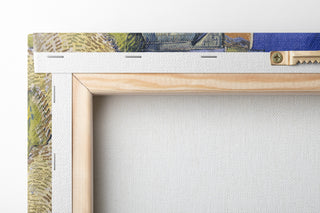
View from behind
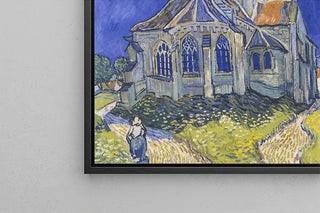
Frame (optional)
Prince Klemens Wenzel Lothar von Metternich 1773-1859 - Friedrich Johann Gottlieb Lieder – Captivating introduction
In the vast panorama of art history, certain works transcend the simple frame of painting to become witnesses of their era. The art print of the work "Prince Klemens Wenzel Lothar von Metternich 1773-1859" by Friedrich Johann Gottlieb Lieder is no exception. This portrait, which immortalizes one of the most influential politicians of the 19th century, offers a fascinating insight into the subtleties of power and European society at this pivotal time. Through this piece, Lieder does not merely depict an individual but captures the very essence of a world in full transformation, where the fate of nations was decided in aristocratic salons.
Style and uniqueness of the work
Lieder's style, imbued with realism and remarkable meticulousness, allows the viewer to grasp not only the face of the prince but also his character and status. The chosen color palette, both rich and nuanced, evokes the nobility and prestige surrounding Metternich. The details of the clothing, carefully crafted, testify to the artist's craftsmanship and the importance given to representing symbols of power. Every brushstroke, shadow, and light contributes to bringing this portrait to life, making this work a true masterpiece of court painting. Lieder thus manages to create a composition that, while rooted in its time, evokes universal feelings of dignity and respect.
The artist and his influence
Friedrich Johann Gottlieb Lieder, a prominent figure of his era, established himself as a preferred portraitist within European aristocracy. His artistic journey, marked by rigorous training and a keen sensitivity to societal changes, enabled him to create works that still resonate today. Lieder, with his distinctive style, influenced many contemporary artists, as well as those who followed. His approach to portraiture goes beyond mere physical representation; he seeks to capture the soul of his subjects, to reveal their personality and influence. This attention to detail and this
Painting Prince Klemens Wenzel Lothar von Metternich 1773-1859 - Friedrich Johann Gottlieb Lieder

-10% FROM €95 IN PURCHASES
-15% FROM €195 IN PURCHASES
Regular price
- Unit price
- by
Free shipping
€4.90 / Free shipping on orders over €39
Satisfied or Money Back
Free returns within 30 days
10-year warranty
Our prints are guaranteed for 10 years
Any questions? We are here!
by email to contact@artemlegrand.com
THE STEPS OF YOUR ORDER

STEP 1 - ORDER PLACED
Your order has been confirmed and we are starting production

STEP 2 - SHIPPING
We ship your order. We send you an email to track the progress

STEP 3 - DELIVERY
You receive your order. You can also, according to your choice, be delivered to a relay point.
Matte finish
View from behind
Frame (optional)
Prince Klemens Wenzel Lothar von Metternich 1773-1859 - Friedrich Johann Gottlieb Lieder – Captivating introduction
In the vast panorama of art history, certain works transcend the simple frame of painting to become witnesses of their era. The art print of the work "Prince Klemens Wenzel Lothar von Metternich 1773-1859" by Friedrich Johann Gottlieb Lieder is no exception. This portrait, which immortalizes one of the most influential politicians of the 19th century, offers a fascinating insight into the subtleties of power and European society at this pivotal time. Through this piece, Lieder does not merely depict an individual but captures the very essence of a world in full transformation, where the fate of nations was decided in aristocratic salons.
Style and uniqueness of the work
Lieder's style, imbued with realism and remarkable meticulousness, allows the viewer to grasp not only the face of the prince but also his character and status. The chosen color palette, both rich and nuanced, evokes the nobility and prestige surrounding Metternich. The details of the clothing, carefully crafted, testify to the artist's craftsmanship and the importance given to representing symbols of power. Every brushstroke, shadow, and light contributes to bringing this portrait to life, making this work a true masterpiece of court painting. Lieder thus manages to create a composition that, while rooted in its time, evokes universal feelings of dignity and respect.
The artist and his influence
Friedrich Johann Gottlieb Lieder, a prominent figure of his era, established himself as a preferred portraitist within European aristocracy. His artistic journey, marked by rigorous training and a keen sensitivity to societal changes, enabled him to create works that still resonate today. Lieder, with his distinctive style, influenced many contemporary artists, as well as those who followed. His approach to portraiture goes beyond mere physical representation; he seeks to capture the soul of his subjects, to reveal their personality and influence. This attention to detail and this