
Painting Ear of primrose Primroses - Pierre Joseph Redouté | Art print


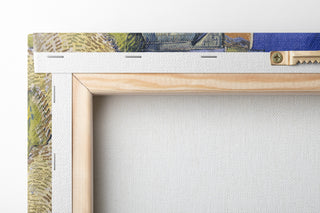
View from behind
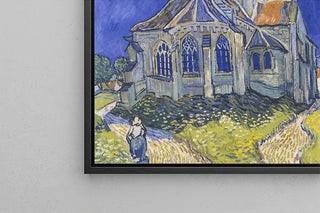
Frame (optional)
Pierre Joseph Redouté’s artwork titled "Oreille de primevère Primevères" is a shining example of the natural beauty captured by the artist in the 18th century. This piece, which illustrates with remarkable precision the delicacy of primrose flowers, invites viewers to a careful contemplation of nature. Redouté, nicknamed the "Raphael of flowers," transcended the simple act of floral representation to create a true ode to organic beauty. Immersing oneself in this work, one feels not only the artist’s love for botany but also his skill in merging science and aesthetics, making each detail lively and vibrant.
Style and uniqueness of the work
Redouté’s style is characterized by unparalleled meticulousness and finesse, which manifest in every petal and leaf of the primrose. The artist excels in the use of watercolor, a medium that allows him to achieve unmatched luminosity. The chosen color palette is both soft and vibrant, evoking the freshness of spring. Delicate shades of yellow and green, combined with subtly nuanced shadows, give the piece a depth that draws the eye. Redouté does not merely depict the flower; he captures its essence, fragility, and ephemeral beauty. This unique approach makes his compositions timeless testimonies of flora, where every detail is carefully orchestrated to create visual harmony.
The artist and his influence
Pierre Joseph Redouté, born in 1759 in Saint-Hubert, Belgium, made a mark in art history through his dedication to botanical representation. Trained in painting and illustration, he established himself as one of the greatest artists of his time, notably through collaborations with renowned botanists. His influence extends far beyond his era, inspiring many artists and illustrators who followed in his footsteps. By integrating a scientific approach into his art, Redouté paved the way for a new way of viewing flowers, not only
Painting Ear of primrose Primroses - Pierre Joseph Redouté | Art print

-10% FROM €95 IN PURCHASES
-15% FROM €195 IN PURCHASES
Regular price
- Unit price
- per
Tax included.
Free shipping
€4.90 / Free shipping on orders over €39
Satisfied or Money Back
Free returns within 30 days
10-year warranty
Our prints are guaranteed for 10 years
Any questions? We are here!
by email to contact@artemlegrand.com
THE STEPS OF YOUR ORDER

STEP 1 - ORDER PLACED
Your order has been confirmed and we are starting production
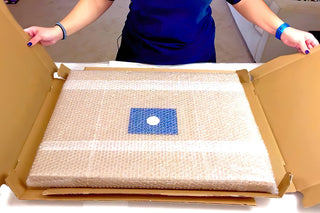
STEP 2 - SHIPPING
We ship your order. We send you an email to track the progress

STEP 3 - DELIVERY
You receive your order. You can also, according to your choice, be delivered to a relay point.
Matte finish
View from behind
Frame (optional)
Pierre Joseph Redouté’s artwork titled "Oreille de primevère Primevères" is a shining example of the natural beauty captured by the artist in the 18th century. This piece, which illustrates with remarkable precision the delicacy of primrose flowers, invites viewers to a careful contemplation of nature. Redouté, nicknamed the "Raphael of flowers," transcended the simple act of floral representation to create a true ode to organic beauty. Immersing oneself in this work, one feels not only the artist’s love for botany but also his skill in merging science and aesthetics, making each detail lively and vibrant.
Style and uniqueness of the work
Redouté’s style is characterized by unparalleled meticulousness and finesse, which manifest in every petal and leaf of the primrose. The artist excels in the use of watercolor, a medium that allows him to achieve unmatched luminosity. The chosen color palette is both soft and vibrant, evoking the freshness of spring. Delicate shades of yellow and green, combined with subtly nuanced shadows, give the piece a depth that draws the eye. Redouté does not merely depict the flower; he captures its essence, fragility, and ephemeral beauty. This unique approach makes his compositions timeless testimonies of flora, where every detail is carefully orchestrated to create visual harmony.
The artist and his influence
Pierre Joseph Redouté, born in 1759 in Saint-Hubert, Belgium, made a mark in art history through his dedication to botanical representation. Trained in painting and illustration, he established himself as one of the greatest artists of his time, notably through collaborations with renowned botanists. His influence extends far beyond his era, inspiring many artists and illustrators who followed in his footsteps. By integrating a scientific approach into his art, Redouté paved the way for a new way of viewing flowers, not only
12,34 €