
Painting Presentation at the Temple - Jacob Willemsz. de Wet | Art print


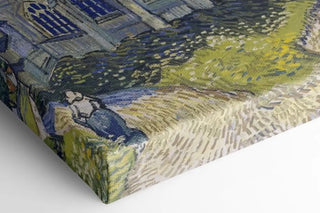
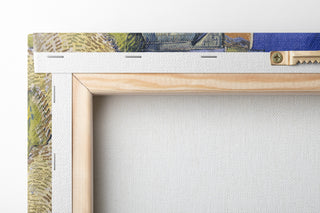
View from behind
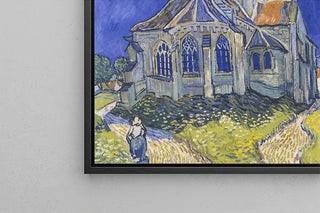
Frame (optional)
In the vast panorama of art history, certain works manage to capture the very essence of humanity, blending spirituality and everyday life. The art print Presentation at the temple - Jacob Willemsz. de Wet stands out for its ability to evoke deep emotions while illustrating a key moment in the Christian tradition. This painting, depicting the scene of Jesus' presentation at the temple, is an invitation to contemplate the beauty of faith and the richness of human interactions. By immersing oneself in this work, the viewer is transported to a universe where the sacred and the profane meet, offering a glimpse into the religious culture of the 17th century.
Style and uniqueness of the work
Jacob Willemsz. de Wet's composition is characterized by a visual harmony that immediately captures the eye. The figures are arranged with precision that evokes the hierarchy of sacred figures, while the play of light and shadow creates an almost tangible atmosphere. The artist uses a palette of rich and warm colors, resonating with the emotion of the scene. The drapery of the garments, finely detailed, demonstrates exceptional technical mastery, allowing the figures to move with natural grace. De Wet succeeds in capturing not only the moment of the presentation but also the intensity of the feelings that accompany it, making each face unique and full of story. This work, with its baroque style, resonates with a dynamism that draws the eye and invites reflection.
The artist and his influence
Jacob Willemsz. de Wet, although less known than some of his contemporaries, managed to carve out a place in the art world thanks to his distinctive approach. Originating from the Netherlands, he fits into the tradition of painters who explored religious themes with particular sensitivity. His ability to inject a human dimension into biblical stories influenced several generations of artists. De Wet does not merely depict sacred scenes; he manages to establish an emotional connection between the viewer and the characters portrayed. In this way, his work foreshadows some of the concerns of 18th-century artists, who sought to humanize religious narratives.
Painting Presentation at the Temple - Jacob Willemsz. de Wet | Art print

-10% FROM €95 IN PURCHASES
-15% FROM €195 IN PURCHASES
Regular price
- Unit price
- per
Tax included.
Free shipping
€4.90 / Free shipping on orders over €39
Satisfied or Money Back
Free returns within 30 days
10-year warranty
Our prints are guaranteed for 10 years
Any questions? We are here!
by email to contact@artemlegrand.com
THE STEPS OF YOUR ORDER

STEP 1 - ORDER PLACED
Your order has been confirmed and we are starting production
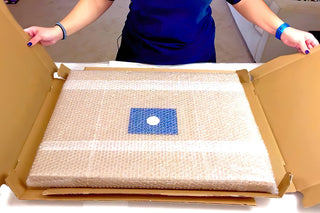
STEP 2 - SHIPPING
We ship your order. We send you an email to track the progress

STEP 3 - DELIVERY
You receive your order. You can also, according to your choice, be delivered to a relay point.
Matte finish
View from behind
Frame (optional)
In the vast panorama of art history, certain works manage to capture the very essence of humanity, blending spirituality and everyday life. The art print Presentation at the temple - Jacob Willemsz. de Wet stands out for its ability to evoke deep emotions while illustrating a key moment in the Christian tradition. This painting, depicting the scene of Jesus' presentation at the temple, is an invitation to contemplate the beauty of faith and the richness of human interactions. By immersing oneself in this work, the viewer is transported to a universe where the sacred and the profane meet, offering a glimpse into the religious culture of the 17th century.
Style and uniqueness of the work
Jacob Willemsz. de Wet's composition is characterized by a visual harmony that immediately captures the eye. The figures are arranged with precision that evokes the hierarchy of sacred figures, while the play of light and shadow creates an almost tangible atmosphere. The artist uses a palette of rich and warm colors, resonating with the emotion of the scene. The drapery of the garments, finely detailed, demonstrates exceptional technical mastery, allowing the figures to move with natural grace. De Wet succeeds in capturing not only the moment of the presentation but also the intensity of the feelings that accompany it, making each face unique and full of story. This work, with its baroque style, resonates with a dynamism that draws the eye and invites reflection.
The artist and his influence
Jacob Willemsz. de Wet, although less known than some of his contemporaries, managed to carve out a place in the art world thanks to his distinctive approach. Originating from the Netherlands, he fits into the tradition of painters who explored religious themes with particular sensitivity. His ability to inject a human dimension into biblical stories influenced several generations of artists. De Wet does not merely depict sacred scenes; he manages to establish an emotional connection between the viewer and the characters portrayed. In this way, his work foreshadows some of the concerns of 18th-century artists, who sought to humanize religious narratives.
12,34 €