
Painting A Poultry Seller - Paul Sandby | Art print


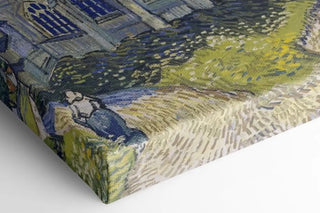
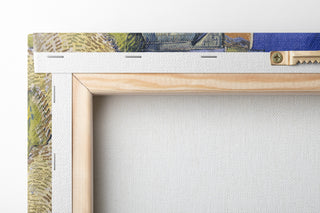
View from behind
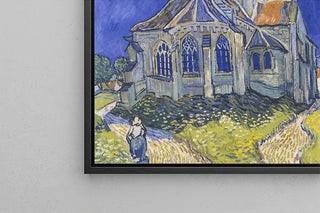
Frame (optional)
In the vibrant world of 18th-century British art, the art print "Un vendeur de volaille" by Paul Sandby stands out for its picturesque charm and its ability to capture moments of everyday life. This delicate depiction of a lively market transports the viewer to the heart of a lively scene, where vibrant colors and meticulous details intertwine to bring a bygone era to life. Sandby, often regarded as one of the pioneers of watercolor landscape painting in Great Britain, manages here to blend realism with a touch of poetry, offering a window into the daily life of Londoners in the 18th century. The art print of this work not only allows appreciation of its aesthetic but also invites exploration of the subtleties of an art that is embedded in a rich historical context.
Style and uniqueness of the work
Paul Sandby's work is characterized by a unique approach to landscape and genre scene. In "Un vendeur de volaille," the artist highlights a carefully balanced composition, where human figures interact harmoniously with their environment. The details of the poultry, carefully rendered, testify to attentive observation and undeniable technical mastery. The play of light and shadow, along with the chosen color palette, gives the scene a lively and warm atmosphere. Sandby succeeds in infusing a narrative dimension into his work, each character telling a story, each gesture capturing the essence of a fleeting moment. This painting is not limited to a simple representation; it invites the viewer to immerse themselves in the ambiance of a market, to feel the sounds, the smells, and the human interactions that define it.
The artist and his influence
Paul Sandby, often nicknamed the "father of British watercolor," played a fundamental role in the evolution of art in Great Britain. Born in 1731, he was able to combine his drawing talents with a passion for nature, which allowed him to develop a style that combines precision and sensitivity. His works, including "Un vendeur de volaille," reflect an era when art was turning towards realism and
Painting A Poultry Seller - Paul Sandby | Art print

-10% FROM €95 IN PURCHASES
-15% FROM €195 IN PURCHASES
Regular price
- Unit price
- per
Tax included.
Free shipping
€4.90 / Free shipping on orders over €39
Satisfied or Money Back
Free returns within 30 days
10-year warranty
Our prints are guaranteed for 10 years
Any questions? We are here!
by email to contact@artemlegrand.com
THE STEPS OF YOUR ORDER

STEP 1 - ORDER PLACED
Your order has been confirmed and we are starting production
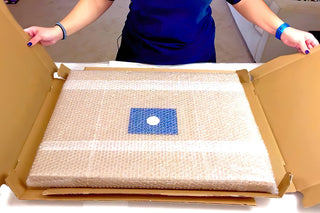
STEP 2 - SHIPPING
We ship your order. We send you an email to track the progress

STEP 3 - DELIVERY
You receive your order. You can also, according to your choice, be delivered to a relay point.
Matte finish
View from behind
Frame (optional)
In the vibrant world of 18th-century British art, the art print "Un vendeur de volaille" by Paul Sandby stands out for its picturesque charm and its ability to capture moments of everyday life. This delicate depiction of a lively market transports the viewer to the heart of a lively scene, where vibrant colors and meticulous details intertwine to bring a bygone era to life. Sandby, often regarded as one of the pioneers of watercolor landscape painting in Great Britain, manages here to blend realism with a touch of poetry, offering a window into the daily life of Londoners in the 18th century. The art print of this work not only allows appreciation of its aesthetic but also invites exploration of the subtleties of an art that is embedded in a rich historical context.
Style and uniqueness of the work
Paul Sandby's work is characterized by a unique approach to landscape and genre scene. In "Un vendeur de volaille," the artist highlights a carefully balanced composition, where human figures interact harmoniously with their environment. The details of the poultry, carefully rendered, testify to attentive observation and undeniable technical mastery. The play of light and shadow, along with the chosen color palette, gives the scene a lively and warm atmosphere. Sandby succeeds in infusing a narrative dimension into his work, each character telling a story, each gesture capturing the essence of a fleeting moment. This painting is not limited to a simple representation; it invites the viewer to immerse themselves in the ambiance of a market, to feel the sounds, the smells, and the human interactions that define it.
The artist and his influence
Paul Sandby, often nicknamed the "father of British watercolor," played a fundamental role in the evolution of art in Great Britain. Born in 1731, he was able to combine his drawing talents with a passion for nature, which allowed him to develop a style that combines precision and sensitivity. His works, including "Un vendeur de volaille," reflect an era when art was turning towards realism and
12,34 €