
Painting Ginger Jar Ginger Jar - Paul Cézanne | Art print


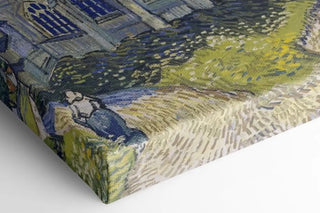
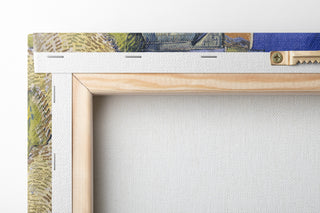
View from behind
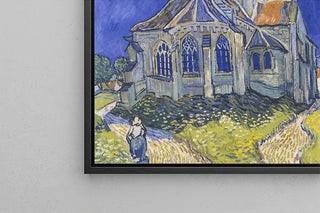
Frame (optional)
In the vibrant world of Impressionist painting, Paul Cézanne's "Pot de gingembre" stands out for its ability to capture light and texture in a way that transcends mere visual representation. This canvas, far more than a simple still life, evokes an intimate atmosphere, inviting the viewer to immerse themselves in a moment of contemplation. The delicacy of the colors, the subtle harmony of shapes, and the depth of shadows testify to Cézanne's genius, who transformed ordinary objects into true masterpieces. Exploring this work reveals not only the artist's technical mastery but also an invitation to appreciate the beauty of simple things.
Style and uniqueness of the work
Cézanne's style is often characterized by a unique approach to composition and color. In "Pot de gingembre," the artist plays with volumes and perspectives, offering an almost sculptural view of the depicted objects. The forms are simplified, almost geometric, giving the whole a striking visual harmony. The shades of yellow, green, and red blend with remarkable delicacy, creating a dialogue between the elements that compose the scene. This work stands out for its ability to evoke a sense of presence, almost tangible, where each brushstroke seems charged with emotion. Cézanne, a true color alchemist, manages to breathe new life into everyday objects, elevating them to the rank of art.
The artist and his influence
Paul Cézanne, often considered the father of modernity, had a significant impact on the evolution of art in the 20th century. His innovative approach to perspective and color paved the way for many artistic movements, notably Cubism. By breaking down forms and playing with planes, Cézanne influenced artists such as Pablo Picasso and Georges Braque, who drew inspiration from his unique vision to develop their own artistic language. The way he explored the relationship between object and space also served as a source of inspiration for generations of artists, making him an essential figure in the history of the
Painting Ginger Jar Ginger Jar - Paul Cézanne | Art print

-10% FROM €95 IN PURCHASES
-15% FROM €195 IN PURCHASES
Regular price
- Unit price
- per
Tax included.
Free shipping
€4.90 / Free shipping on orders over €39
Satisfied or Money Back
Free returns within 30 days
10-year warranty
Our prints are guaranteed for 10 years
Any questions? We are here!
by email to contact@artemlegrand.com
THE STEPS OF YOUR ORDER

STEP 1 - ORDER PLACED
Your order has been confirmed and we are starting production
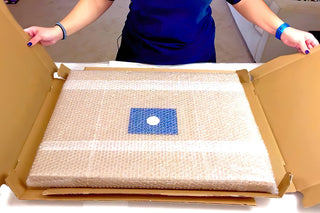
STEP 2 - SHIPPING
We ship your order. We send you an email to track the progress

STEP 3 - DELIVERY
You receive your order. You can also, according to your choice, be delivered to a relay point.
Matte finish
View from behind
Frame (optional)
In the vibrant world of Impressionist painting, Paul Cézanne's "Pot de gingembre" stands out for its ability to capture light and texture in a way that transcends mere visual representation. This canvas, far more than a simple still life, evokes an intimate atmosphere, inviting the viewer to immerse themselves in a moment of contemplation. The delicacy of the colors, the subtle harmony of shapes, and the depth of shadows testify to Cézanne's genius, who transformed ordinary objects into true masterpieces. Exploring this work reveals not only the artist's technical mastery but also an invitation to appreciate the beauty of simple things.
Style and uniqueness of the work
Cézanne's style is often characterized by a unique approach to composition and color. In "Pot de gingembre," the artist plays with volumes and perspectives, offering an almost sculptural view of the depicted objects. The forms are simplified, almost geometric, giving the whole a striking visual harmony. The shades of yellow, green, and red blend with remarkable delicacy, creating a dialogue between the elements that compose the scene. This work stands out for its ability to evoke a sense of presence, almost tangible, where each brushstroke seems charged with emotion. Cézanne, a true color alchemist, manages to breathe new life into everyday objects, elevating them to the rank of art.
The artist and his influence
Paul Cézanne, often considered the father of modernity, had a significant impact on the evolution of art in the 20th century. His innovative approach to perspective and color paved the way for many artistic movements, notably Cubism. By breaking down forms and playing with planes, Cézanne influenced artists such as Pablo Picasso and Georges Braque, who drew inspiration from his unique vision to develop their own artistic language. The way he explored the relationship between object and space also served as a source of inspiration for generations of artists, making him an essential figure in the history of the
12,34 €