
Portrait Study of Baron Georg Franckenstein - Philip Alexius de László | Art print


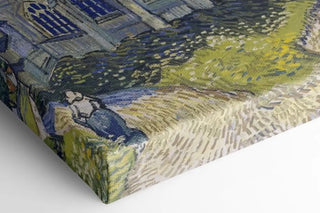
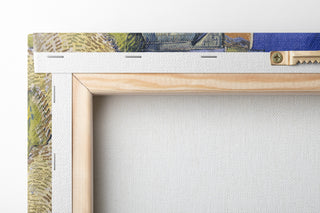
View from behind
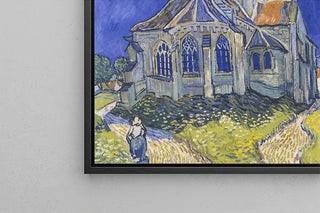
Frame (optional)
The "Art print of the study portrait of Baron Georg Franckenstein" by Philip Alexius de László is a work that transcends mere painting exercises to become a true dialogue between the artist and his model. This painting, emblematic of the late 19th century, captures not only the physical appearance of the baron but also the very essence of his personality. Through this portrait, László invites us to explore the world of European aristocracy while offering a window into his own artistic universe. The mastery of light and shadow, as well as the finesse of details, testify to a refined technique that immediately captivates the viewer.
Style and uniqueness of the work
The work stands out for its ability to combine realism and emotion. László, a true virtuoso, manages to render the texture of the skin, the brightness of the eyes, and the richness of the clothing with remarkable precision. Every brushstroke seems charged with intention, a reflection on human nature. The posture of the baron, both relaxed and confident, evokes a certain nobility, while the shades of color chosen by the artist breathe vibrant life into the canvas. This portrait does not merely depict a man; it tells a story, that of an individual rooted in his era, and invites the viewer to question their own relationship to identity and memory.
The artist and his influence
Philip Alexius de László, born in Hungary and having built his career mainly in England, is known for his portraits of prominent figures of his time. His style, influenced by the great masters of painting, blends tradition and modernity, allowing him to capture the essence of his models while standing out through a personal approach. László succeeded in establishing himself in the art world thanks to his ability to translate human emotions onto canvas, making each portrait a unique work. His work has influenced many contemporary artists, who see in him a model of excellence and sensitivity. The psychological depth and attention to detail in the "Art print of the study portrait of Baron Georg Franckenstein" are elements that testify
Portrait Study of Baron Georg Franckenstein - Philip Alexius de László | Art print

-10% FROM €95 IN PURCHASES
-15% FROM €195 IN PURCHASES
Regular price
- Unit price
- per
Tax included.
Free shipping
€4.90 / Free shipping on orders over €39
Satisfied or Money Back
Free returns within 30 days
10-year warranty
Our prints are guaranteed for 10 years
Any questions? We are here!
by email to contact@artemlegrand.com
THE STEPS OF YOUR ORDER
STEP 1 - ORDER PLACED
Your order has been confirmed and we are starting production
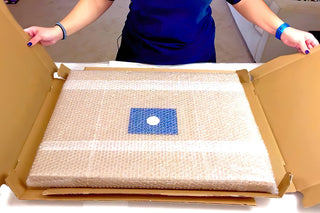
STEP 2 - SHIPPING
We ship your order. We send you an email to track the progress

STEP 3 - DELIVERY
You receive your order. You can also, according to your choice, be delivered to a relay point.
Matte finish
View from behind
Frame (optional)
The "Art print of the study portrait of Baron Georg Franckenstein" by Philip Alexius de László is a work that transcends mere painting exercises to become a true dialogue between the artist and his model. This painting, emblematic of the late 19th century, captures not only the physical appearance of the baron but also the very essence of his personality. Through this portrait, László invites us to explore the world of European aristocracy while offering a window into his own artistic universe. The mastery of light and shadow, as well as the finesse of details, testify to a refined technique that immediately captivates the viewer.
Style and uniqueness of the work
The work stands out for its ability to combine realism and emotion. László, a true virtuoso, manages to render the texture of the skin, the brightness of the eyes, and the richness of the clothing with remarkable precision. Every brushstroke seems charged with intention, a reflection on human nature. The posture of the baron, both relaxed and confident, evokes a certain nobility, while the shades of color chosen by the artist breathe vibrant life into the canvas. This portrait does not merely depict a man; it tells a story, that of an individual rooted in his era, and invites the viewer to question their own relationship to identity and memory.
The artist and his influence
Philip Alexius de László, born in Hungary and having built his career mainly in England, is known for his portraits of prominent figures of his time. His style, influenced by the great masters of painting, blends tradition and modernity, allowing him to capture the essence of his models while standing out through a personal approach. László succeeded in establishing himself in the art world thanks to his ability to translate human emotions onto canvas, making each portrait a unique work. His work has influenced many contemporary artists, who see in him a model of excellence and sensitivity. The psychological depth and attention to detail in the "Art print of the study portrait of Baron Georg Franckenstein" are elements that testify
12,34 €