
Portrait painting presumed of Jeanne-Élisabeth-Victoire Deshays, wife of the artist - Jean-Baptiste Deshays | Art print


View from behind
Frame (optional)
Presumed Portrait reproduction of Jeanne-Élisabeth-Victoire Deshays, wife of the artist - Jean-Baptiste Deshays – Captivating Introduction
The "Presumed Portrait of Jeanne-Élisabeth-Victoire Deshays, wife of the artist" is an iconic work that transcends the simple frame of a pictorial representation. This painting, attributed to Jean-Baptiste Deshays, stands out for its ability to capture the very essence of its subject, a woman whose gaze seems to tell a story far deeper than what one might initially perceive. In this artwork, the artist does not merely paint a female figure; he immortalizes a personality, a soul. Gazing at this portrait, the viewer is invited to delve into a universe where beauty and intimacy meet, revealing the subtleties of daily life in the 18th century.
Style and uniqueness of the work
The style of Jean-Baptiste Deshays is characterized by elegance and finesse, expressed through delicate brushstrokes and a carefully chosen color palette. In this portrait, a harmony is felt between soft hues and subtle shadows, which confer upon Jeanne-Élisabeth-Victoire an aura of serenity and dignity. The artist excels in depicting textures, whether it is the luxurious fabrics of the sitter’s dress or the softness of her skin. Every detail is meticulously crafted, allowing the viewer to immerse themselves in the atmosphere of the period. This painting also stands out for its harmonious composition, highlighting the woman’s face while incorporating decorative elements that tell a story. The way Deshays plays with light and shadow creates depth that draws the eye and invites exploration.
The artist and his influence
Jean-Baptiste Deshays, born at the heart of the 18th century, is an artist who managed to carve out a place in the world of French painting. Trained during a period when portraiture was a highly valued genre, he combined tradition and innovation, adding his personal touch to a already rich art form. His influence extends beyond his works, as he contributed to shaping the perception of portraiture as a
Portrait painting presumed of Jeanne-Élisabeth-Victoire Deshays, wife of the artist - Jean-Baptiste Deshays | Art print

-10% FROM €95 IN PURCHASES
-15% FROM €195 IN PURCHASES
Regular price
- Unit price
- per
Tax included.
Free shipping
€4.90 / Free shipping on orders over €39
Satisfied or Money Back
Free returns within 30 days
10-year warranty
Our prints are guaranteed for 10 years
Any questions? We are here!
by email to contact@artemlegrand.com
THE STEPS OF YOUR ORDER
STEP 1 - ORDER PLACED
Your order has been confirmed and we are starting production
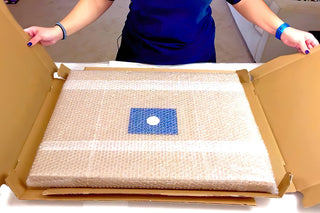
STEP 2 - SHIPPING
We ship your order. We send you an email to track the progress

STEP 3 - DELIVERY
You receive your order. You can also, according to your choice, be delivered to a relay point.
Matte finish
View from behind
Frame (optional)
Presumed Portrait reproduction of Jeanne-Élisabeth-Victoire Deshays, wife of the artist - Jean-Baptiste Deshays – Captivating Introduction
The "Presumed Portrait of Jeanne-Élisabeth-Victoire Deshays, wife of the artist" is an iconic work that transcends the simple frame of a pictorial representation. This painting, attributed to Jean-Baptiste Deshays, stands out for its ability to capture the very essence of its subject, a woman whose gaze seems to tell a story far deeper than what one might initially perceive. In this artwork, the artist does not merely paint a female figure; he immortalizes a personality, a soul. Gazing at this portrait, the viewer is invited to delve into a universe where beauty and intimacy meet, revealing the subtleties of daily life in the 18th century.
Style and uniqueness of the work
The style of Jean-Baptiste Deshays is characterized by elegance and finesse, expressed through delicate brushstrokes and a carefully chosen color palette. In this portrait, a harmony is felt between soft hues and subtle shadows, which confer upon Jeanne-Élisabeth-Victoire an aura of serenity and dignity. The artist excels in depicting textures, whether it is the luxurious fabrics of the sitter’s dress or the softness of her skin. Every detail is meticulously crafted, allowing the viewer to immerse themselves in the atmosphere of the period. This painting also stands out for its harmonious composition, highlighting the woman’s face while incorporating decorative elements that tell a story. The way Deshays plays with light and shadow creates depth that draws the eye and invites exploration.
The artist and his influence
Jean-Baptiste Deshays, born at the heart of the 18th century, is an artist who managed to carve out a place in the world of French painting. Trained during a period when portraiture was a highly valued genre, he combined tradition and innovation, adding his personal touch to a already rich art form. His influence extends beyond his works, as he contributed to shaping the perception of portraiture as a
12,34 €