
Portrait painting of Zofia Odescalchi née Branicka - Franz Xaver Winterhalter | Art print


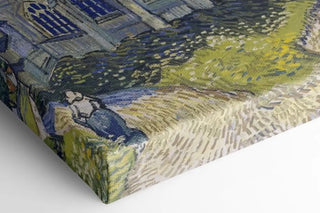
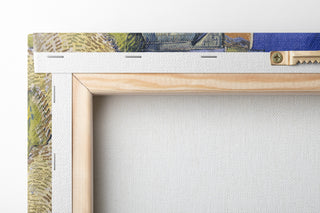
View from behind
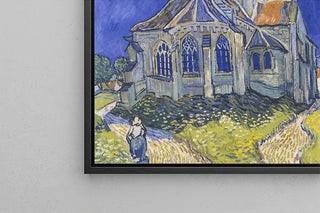
Frame (optional)
The "Art print of Zofia Odescalchi née Branicka" by master Franz Xaver Winterhalter is an iconic piece that transcends the simple frame of a painting. This portrait, both intimate and majestic, captures the very essence of its subject—a woman of striking beauty and innate elegance. In this work, Winterhalter masterfully combines realism with a certain idealization, offering a vision of femininity that is both accessible and noble. This piece, evoking the splendor of the European court in the 19th century, is a true testament to the art of its time and the role of women in high society.
Style and uniqueness of the work
Winterhalter's style is characterized by remarkable finesse and meticulous attention to detail. In this portrait, light plays a fundamental role, illuminating Zofia's face and highlighting the delicacy of her features. The colors, subtly chosen, create a visual harmony that immediately draws the eye. The drapery of her dress, richly adorned, is rendered with such virtuosity that it almost seems to come alive, adding a tactile dimension to the piece. This work does not merely depict a woman; it celebrates femininity in all its splendor, while also reflecting the social status and elegance of its era. The pose chosen by Winterhalter, both natural and posed, confers upon Zofia an aura of dignity and grace, making this a true masterpiece of portraiture.
The artist and his influence
Franz Xaver Winterhalter, born in 1805 in Germany, quickly established himself as one of the most prominent portraitists of his time. His skill in capturing the personality and character of his subjects earned him international recognition, notably among the British court and European aristocrats. Winterhalter does not limit himself to reproducing images; he manages to infuse life and story into each of his subjects. His influence extends well beyond his era, inspiring many contemporary and future artists. By emphasizing beauty and elegance, he
Portrait painting of Zofia Odescalchi née Branicka - Franz Xaver Winterhalter | Art print

-10% FROM €95 IN PURCHASES
-15% FROM €195 IN PURCHASES
Regular price
- Unit price
- per
Tax included.
Free shipping
€4.90 / Free shipping on orders over €39
Satisfied or Money Back
Free returns within 30 days
10-year warranty
Our prints are guaranteed for 10 years
Any questions? We are here!
by email to contact@artemlegrand.com
THE STEPS OF YOUR ORDER

STEP 1 - ORDER PLACED
Your order has been confirmed and we are starting production
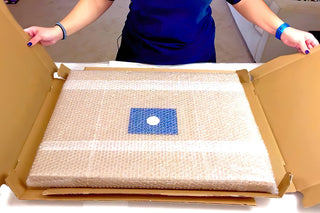
STEP 2 - SHIPPING
We ship your order. We send you an email to track the progress

STEP 3 - DELIVERY
You receive your order. You can also, according to your choice, be delivered to a relay point.
Matte finish
View from behind
Frame (optional)
The "Art print of Zofia Odescalchi née Branicka" by master Franz Xaver Winterhalter is an iconic piece that transcends the simple frame of a painting. This portrait, both intimate and majestic, captures the very essence of its subject—a woman of striking beauty and innate elegance. In this work, Winterhalter masterfully combines realism with a certain idealization, offering a vision of femininity that is both accessible and noble. This piece, evoking the splendor of the European court in the 19th century, is a true testament to the art of its time and the role of women in high society.
Style and uniqueness of the work
Winterhalter's style is characterized by remarkable finesse and meticulous attention to detail. In this portrait, light plays a fundamental role, illuminating Zofia's face and highlighting the delicacy of her features. The colors, subtly chosen, create a visual harmony that immediately draws the eye. The drapery of her dress, richly adorned, is rendered with such virtuosity that it almost seems to come alive, adding a tactile dimension to the piece. This work does not merely depict a woman; it celebrates femininity in all its splendor, while also reflecting the social status and elegance of its era. The pose chosen by Winterhalter, both natural and posed, confers upon Zofia an aura of dignity and grace, making this a true masterpiece of portraiture.
The artist and his influence
Franz Xaver Winterhalter, born in 1805 in Germany, quickly established himself as one of the most prominent portraitists of his time. His skill in capturing the personality and character of his subjects earned him international recognition, notably among the British court and European aristocrats. Winterhalter does not limit himself to reproducing images; he manages to infuse life and story into each of his subjects. His influence extends well beyond his era, inspiring many contemporary and future artists. By emphasizing beauty and elegance, he
12,34 €