
Painting Portrait of the revolutionary Ernest Marchia - Jan Styka | Art print


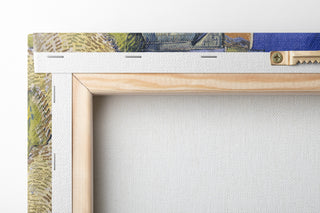
View from behind
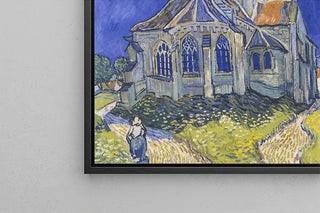
Frame (optional)
Reproduction Portrait of the revolutionary Ernest Marchia - Jan Styka – Captivating introduction
The "Portrait of the revolutionary Ernest Marchia" by Jan Styka is a work that transcends the simple frame of painting to immerse the viewer in the tumult of a time marked by political and social struggles. This painting, through its intensity and realism, evokes not only the iconic figure of Marchia but also the spirit of an era where each face told a story. Styka, with his exceptional talent, manages to capture the very essence of his subject, making this portrait not only a tribute to a man but also a reflection on the ideals of freedom and justice that have inspired generations.
Style and uniqueness of the work
Jan Styka's style is distinguished by an impressive mastery of chiaroscuro, which gives his characters a rare psychological depth. In the portrait of Marchia, the nuances of light and shadow accentuate the facial features, highlighting the determination and passion that drive the revolutionary. Every brushstroke seems to vibrate with emotion, making the viewer complicit in this encounter between art and history. The composition, carefully orchestrated, highlights Marchia's piercing gaze, which seems to challenge the world. Styka does not merely depict a man; he evokes a symbol, a heroic figure whose charisma transcends time.
The artist and his influence
Jan Styka, born in Poland and having found his artistic path in France, established himself as a renowned painter thanks to his unique approach to portraiture. Influenced by the great masters of the past, he incorporates elements of realism while preserving a strong emotional dimension in his works. Styka was also a privileged witness to the upheavals of his time, which allowed him to create works that resonate with evocative power. His work on the portrait of Ernest Marchia fits into this lineage, where art becomes a means of expressing political and social ideas. By paying homage to significant figures in history, Styka contributes to collective memory, thus bridging the past and the present.
An exceptional wall decoration signed Artem Legrand
The art print of the "Portrait of the
Painting Portrait of the revolutionary Ernest Marchia - Jan Styka | Art print

-10% FROM €95 IN PURCHASES
-15% FROM €195 IN PURCHASES
Regular price
- Unit price
- per
Tax included.
Free shipping
€4.90 / Free shipping on orders over €39
Satisfied or Money Back
Free returns within 30 days
10-year warranty
Our prints are guaranteed for 10 years
Any questions? We are here!
by email to contact@artemlegrand.com
THE STEPS OF YOUR ORDER

STEP 1 - ORDER PLACED
Your order has been confirmed and we are starting production
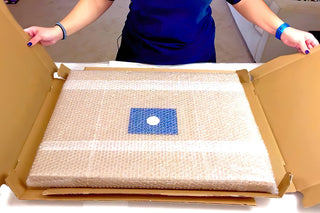
STEP 2 - SHIPPING
We ship your order. We send you an email to track the progress

STEP 3 - DELIVERY
You receive your order. You can also, according to your choice, be delivered to a relay point.
Matte finish
View from behind
Frame (optional)
Reproduction Portrait of the revolutionary Ernest Marchia - Jan Styka – Captivating introduction
The "Portrait of the revolutionary Ernest Marchia" by Jan Styka is a work that transcends the simple frame of painting to immerse the viewer in the tumult of a time marked by political and social struggles. This painting, through its intensity and realism, evokes not only the iconic figure of Marchia but also the spirit of an era where each face told a story. Styka, with his exceptional talent, manages to capture the very essence of his subject, making this portrait not only a tribute to a man but also a reflection on the ideals of freedom and justice that have inspired generations.
Style and uniqueness of the work
Jan Styka's style is distinguished by an impressive mastery of chiaroscuro, which gives his characters a rare psychological depth. In the portrait of Marchia, the nuances of light and shadow accentuate the facial features, highlighting the determination and passion that drive the revolutionary. Every brushstroke seems to vibrate with emotion, making the viewer complicit in this encounter between art and history. The composition, carefully orchestrated, highlights Marchia's piercing gaze, which seems to challenge the world. Styka does not merely depict a man; he evokes a symbol, a heroic figure whose charisma transcends time.
The artist and his influence
Jan Styka, born in Poland and having found his artistic path in France, established himself as a renowned painter thanks to his unique approach to portraiture. Influenced by the great masters of the past, he incorporates elements of realism while preserving a strong emotional dimension in his works. Styka was also a privileged witness to the upheavals of his time, which allowed him to create works that resonate with evocative power. His work on the portrait of Ernest Marchia fits into this lineage, where art becomes a means of expressing political and social ideas. By paying homage to significant figures in history, Styka contributes to collective memory, thus bridging the past and the present.
An exceptional wall decoration signed Artem Legrand
The art print of the "Portrait of the
12,34 €