
Painting Portrait of the Philosopher Seneca - Peter Paul Rubens


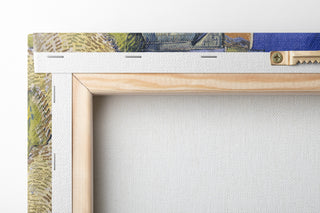
View from behind
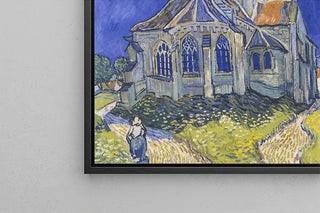
Frame (optional)
In the vast panorama of art history, some works stand out for their ability to capture the very essence of human thought. The "Portrait of the Philosopher Seneca" by Peter Paul Rubens is a striking example. This piece, rich in detail and profound in meaning, immerses us in the universe of Stoic philosophy through Seneca's contemplative gaze. Rubens, master of Baroque painting, succeeds in transcending a simple portrait to offer a reflection on wisdom and the human condition. This painting invites the viewer to meditative contemplation, an invitation to explore the thoughts of the great Roman philosopher.
Style and uniqueness of the work
Rubens' style, characterized by its dynamism and chromatic richness, is fully expressed in this portrait. The composition is marked by plays of light and shadow that give a striking depth to Seneca's face. The warm tones, typical of the artist, evoke a human warmth that seems to emanate from the character himself. Seneca's penetrating gaze, captured with remarkable precision, appears to transcribe accumulated wisdom over the years. Rubens does not merely depict a man; he portrays a mind, a soul tormented by existential questions. The texture of the clothing, the rendering of the hair, and the subtle details of the facial expression testify to exceptional craftsmanship and meticulous attention to the elements that compose the portrait.
The artist and his influence
Peter Paul Rubens, an emblematic figure of Flemish Baroque, knew how to mark his era with an innovative approach to painting. His ability to fuse realism and symbolism paved the way for many artists. Through his works, he conveyed powerful emotions, skillfully blending mythology, religion, and philosophy. The portrait of Seneca fits into this tradition, but it goes beyond a simple representation. It embodies the values of Stoicism, a philosophy that advocates self-control and reflection on human nature. Rubens, by choosing to depict a thinker like Seneca, demonstrates his respect for ancient wisdom and his desire to incorporate it into discourse.
Painting Portrait of the Philosopher Seneca - Peter Paul Rubens

-10% FROM €95 IN PURCHASES
-15% FROM €195 IN PURCHASES
Regular price
- Unit price
- per
Tax included.
Free shipping
€4.90 / Free shipping on orders over €39
Satisfied or Money Back
Free returns within 30 days
10-year warranty
Our prints are guaranteed for 10 years
Any questions? We are here!
by email to contact@artemlegrand.com
THE STEPS OF YOUR ORDER

STEP 1 - ORDER PLACED
Your order has been confirmed and we are starting production
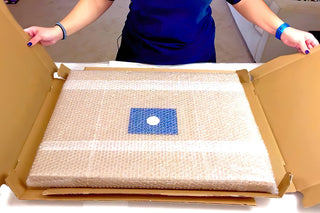
STEP 2 - SHIPPING
We ship your order. We send you an email to track the progress

STEP 3 - DELIVERY
You receive your order. You can also, according to your choice, be delivered to a relay point.
Matte finish
View from behind
Frame (optional)
In the vast panorama of art history, some works stand out for their ability to capture the very essence of human thought. The "Portrait of the Philosopher Seneca" by Peter Paul Rubens is a striking example. This piece, rich in detail and profound in meaning, immerses us in the universe of Stoic philosophy through Seneca's contemplative gaze. Rubens, master of Baroque painting, succeeds in transcending a simple portrait to offer a reflection on wisdom and the human condition. This painting invites the viewer to meditative contemplation, an invitation to explore the thoughts of the great Roman philosopher.
Style and uniqueness of the work
Rubens' style, characterized by its dynamism and chromatic richness, is fully expressed in this portrait. The composition is marked by plays of light and shadow that give a striking depth to Seneca's face. The warm tones, typical of the artist, evoke a human warmth that seems to emanate from the character himself. Seneca's penetrating gaze, captured with remarkable precision, appears to transcribe accumulated wisdom over the years. Rubens does not merely depict a man; he portrays a mind, a soul tormented by existential questions. The texture of the clothing, the rendering of the hair, and the subtle details of the facial expression testify to exceptional craftsmanship and meticulous attention to the elements that compose the portrait.
The artist and his influence
Peter Paul Rubens, an emblematic figure of Flemish Baroque, knew how to mark his era with an innovative approach to painting. His ability to fuse realism and symbolism paved the way for many artists. Through his works, he conveyed powerful emotions, skillfully blending mythology, religion, and philosophy. The portrait of Seneca fits into this tradition, but it goes beyond a simple representation. It embodies the values of Stoicism, a philosophy that advocates self-control and reflection on human nature. Rubens, by choosing to depict a thinker like Seneca, demonstrates his respect for ancient wisdom and his desire to incorporate it into discourse.
12,34 €