
Art print Portrait of the director Karl Masner - Fryderyk Pautsch


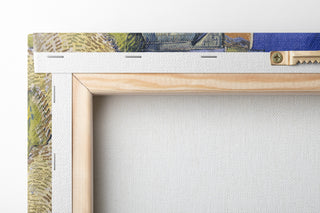
View from behind
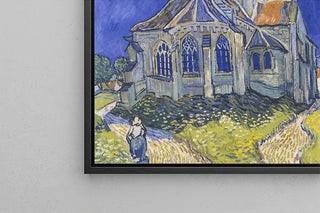
Frame (optional)
In the fascinating world of art, some works manage to capture the very essence of their subject, transcending the mere frame to offer an immersion into a specific era or personality. The art print Portrait of director Karl Masner - Fryderyk Pautsch is a perfect example. This painting, both intimate and powerful, invites us to explore the nuances of a man who left his mark on cinema. Through Karl Masner's penetrating gaze, the viewer is transported into a universe where dream and reality converge, where each brushstroke tells a story.
Style and uniqueness of the piece
Fryderyk Pautsch's style is distinguished by its meticulous and expressive approach. In this work, realism intertwines with a subtle impression of emotion, making every detail of Masner's face come alive. The chosen tones, both warm and cool, create a striking contrast that draws the eye and provokes deep reflection. Pautsch does not merely reproduce the physical appearance of his subject; he also captures the soul of the man he depicts. Every shadow, every light, every expression is carefully crafted to evoke an atmosphere filled with melancholy and passion. This ability to combine technique and emotion makes this work a true masterpiece, a window into the creative spirit of a director whose legacy endures.
The artist and his influence
Fryderyk Pautsch is an artist whose journey is marked by an relentless quest for authenticity and truth. Trained in prestigious art schools, he has developed a unique style that has allowed him to stand out in the artistic world. His work is often influenced by the great masters of the past, while incorporating a modern sensibility that is his own. By choosing to paint Karl Masner, Pautsch pays tribute not only to a man but also to an era when cinema was beginning to forge its own identity. His influence extends far beyond this single work, inspiring generations of artists and filmmakers who see in him a source of inspiration. Through his portraits, he
Art print Portrait of the director Karl Masner - Fryderyk Pautsch

-10% FROM €95 IN PURCHASES
-15% FROM €195 IN PURCHASES
Regular price
- Unit price
- by
Free shipping
€4.90 / Free shipping on orders over €39
Satisfied or Money Back
Free returns within 30 days
10-year warranty
Our prints are guaranteed for 10 years
Any questions? We are here!
by email to contact@artemlegrand.com
THE STEPS OF YOUR ORDER
STEP 1 - ORDER PLACED
Your order has been confirmed and we are starting production
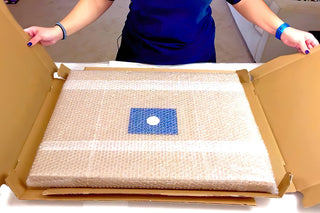
STEP 2 - SHIPPING
We ship your order. We send you an email to track the progress

STEP 3 - DELIVERY
You receive your order. You can also, according to your choice, be delivered to a relay point.
Matte finish
View from behind
Frame (optional)
In the fascinating world of art, some works manage to capture the very essence of their subject, transcending the mere frame to offer an immersion into a specific era or personality. The art print Portrait of director Karl Masner - Fryderyk Pautsch is a perfect example. This painting, both intimate and powerful, invites us to explore the nuances of a man who left his mark on cinema. Through Karl Masner's penetrating gaze, the viewer is transported into a universe where dream and reality converge, where each brushstroke tells a story.
Style and uniqueness of the piece
Fryderyk Pautsch's style is distinguished by its meticulous and expressive approach. In this work, realism intertwines with a subtle impression of emotion, making every detail of Masner's face come alive. The chosen tones, both warm and cool, create a striking contrast that draws the eye and provokes deep reflection. Pautsch does not merely reproduce the physical appearance of his subject; he also captures the soul of the man he depicts. Every shadow, every light, every expression is carefully crafted to evoke an atmosphere filled with melancholy and passion. This ability to combine technique and emotion makes this work a true masterpiece, a window into the creative spirit of a director whose legacy endures.
The artist and his influence
Fryderyk Pautsch is an artist whose journey is marked by an relentless quest for authenticity and truth. Trained in prestigious art schools, he has developed a unique style that has allowed him to stand out in the artistic world. His work is often influenced by the great masters of the past, while incorporating a modern sensibility that is his own. By choosing to paint Karl Masner, Pautsch pays tribute not only to a man but also to an era when cinema was beginning to forge its own identity. His influence extends far beyond this single work, inspiring generations of artists and filmmakers who see in him a source of inspiration. Through his portraits, he