
Painting Portrait of Count of Toulouse - Hyacinthe Rigaud


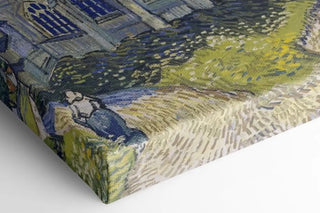
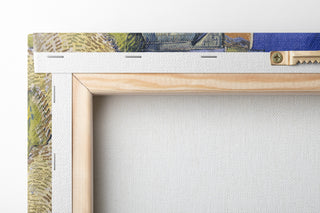
View from behind
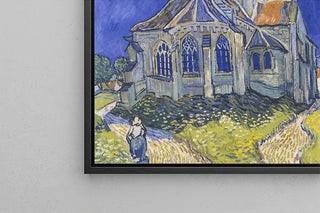
Frame (optional)
Portrait of the Count of Toulouse - Hyacinthe Rigaud – Captivating Introduction
In the vibrant universe of art history, some works transcend time and space, captivating viewers and minds alike. The "Portrait of the Count of Toulouse" by Hyacinthe Rigaud is one of those creations that, through its magnificence, evokes the grandeur of 17th-century France. This iconic piece, depicting a man of power with unparalleled finesse, immerses us in the intimacy of a historical figure while revealing the artist's technical skill. The Count of Toulouse, a man of many facets, is immortalized here in all his splendor, embodying the prestige and elegance of a bygone era.
Style and uniqueness of the work
Hyacinthe Rigaud, master of the art print, excels in representing textures and colors, and this painting is a perfect illustration. The Count of Toulouse, dressed in a richly adorned costume, appears almost alive, as the details of his attire and face are meticulously rendered. The light plays on the drapery, creating an illusion of depth and movement, while the count's gaze, both proud and contemplative, captures the viewer's attention. Rigaud manages to infuse a soul into his model, making this portrait not only a faithful representation but also a psychological exploration of the count's personality. Every brushstroke demonstrates unmatched mastery, making this work a perfect example of French baroque art, where grandeur and delicacy meet.
The artist and his influence
Hyacinthe Rigaud, born in 1659 in Perpignan, is one of the most renowned portraitists of his time. His career, marked by prestigious commissions from the court of Louis XIV, allowed him to develop a unique style, combining realism and idealization. Rigaud knew how to capture the very essence of his models, whether nobles, members of royalty, or intellectuals. His influence endures beyond his era, inspiring many artists who aspire to capture the personality and social status of their subjects. Through his works, he contributed to redefining the art print as
Painting Portrait of Count of Toulouse - Hyacinthe Rigaud

-10% FROM €95 IN PURCHASES
-15% FROM €195 IN PURCHASES
Regular price
- Unit price
- per
Tax included.
Free shipping
€4.90 / Free shipping on orders over €39
Satisfied or Money Back
Free returns within 30 days
10-year warranty
Our prints are guaranteed for 10 years
Any questions? We are here!
by email to contact@artemlegrand.com
THE STEPS OF YOUR ORDER
STEP 1 - ORDER PLACED
Your order has been confirmed and we are starting production
STEP 2 - SHIPPING
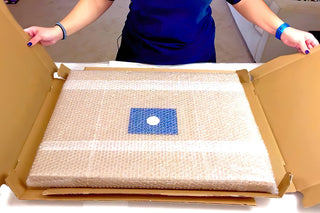
We ship your order. We send you an email to track the progress

STEP 3 - DELIVERY
You receive your order. You can also, according to your choice, be delivered to a relay point.
Matte finish
View from behind
Frame (optional)
Portrait of the Count of Toulouse - Hyacinthe Rigaud – Captivating Introduction
In the vibrant universe of art history, some works transcend time and space, captivating viewers and minds alike. The "Portrait of the Count of Toulouse" by Hyacinthe Rigaud is one of those creations that, through its magnificence, evokes the grandeur of 17th-century France. This iconic piece, depicting a man of power with unparalleled finesse, immerses us in the intimacy of a historical figure while revealing the artist's technical skill. The Count of Toulouse, a man of many facets, is immortalized here in all his splendor, embodying the prestige and elegance of a bygone era.
Style and uniqueness of the work
Hyacinthe Rigaud, master of the art print, excels in representing textures and colors, and this painting is a perfect illustration. The Count of Toulouse, dressed in a richly adorned costume, appears almost alive, as the details of his attire and face are meticulously rendered. The light plays on the drapery, creating an illusion of depth and movement, while the count's gaze, both proud and contemplative, captures the viewer's attention. Rigaud manages to infuse a soul into his model, making this portrait not only a faithful representation but also a psychological exploration of the count's personality. Every brushstroke demonstrates unmatched mastery, making this work a perfect example of French baroque art, where grandeur and delicacy meet.
The artist and his influence
Hyacinthe Rigaud, born in 1659 in Perpignan, is one of the most renowned portraitists of his time. His career, marked by prestigious commissions from the court of Louis XIV, allowed him to develop a unique style, combining realism and idealization. Rigaud knew how to capture the very essence of his models, whether nobles, members of royalty, or intellectuals. His influence endures beyond his era, inspiring many artists who aspire to capture the personality and social status of their subjects. Through his works, he contributed to redefining the art print as
12,34 €