
Painting Portrait of the artist's woman - Paul Cézanne | Art print


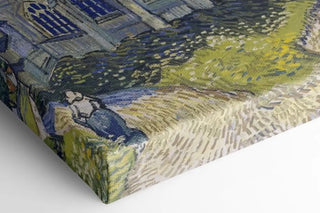
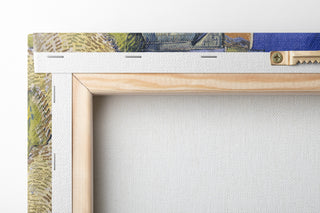
View from behind
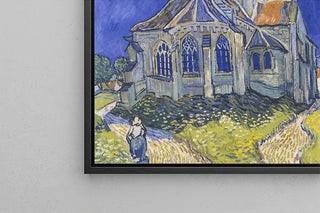
Frame (optional)
Paul Cézanne's "Portrait of the artist's wife" is an iconic work that embodies the very essence of pictorial modernity. Created at the end of the 19th century, this canvas stands out for its innovative approach to human representation and color. It immerses us in the artist's intimacy, revealing a personal and emotional facet that transcends a simple portrait. Through this painting, Cézanne does not merely depict his partner but explores the subtleties of perception and light, offering us a unique vision of the world around him.
Style and uniqueness of the work
What strikes in the "Portrait of the artist's wife" is the way Cézanne manipulates color and form. The brushstrokes are both free and controlled, creating a rich texture that brings the canvas to life. The artist uses a palette of soft colors, blending warm and cool tones, to establish an intimate and warm atmosphere. The composition is carefully balanced, with each element having its place, yet never appearing static. This painting demonstrates the originality of Cézanne's style, characterized by an incessant search for the underlying structure of forms. The woman, at the center of the work, seems both present and distant, thus enhancing the mystery surrounding her. Cézanne manages to capture not only the appearance of his model but also a palpable emotion, an introspection that invites the viewer to question the very nature of representation.
The artist and his influence
Paul Cézanne, often regarded as the father of modern painting, left an indelible mark on art history. His innovative approach paved the way for 20th-century artistic movements such as Cubism and Expressionism. By breaking away from academic conventions of his time, Cézanne explored the infinite possibilities of color and form, influencing generations of artists. His work on visual perception and structure redefined how we perceive art. The
Painting Portrait of the artist's woman - Paul Cézanne | Art print

-10% FROM €95 IN PURCHASES
-15% FROM €195 IN PURCHASES
Regular price
- Unit price
- per
Tax included.
Free shipping
€4.90 / Free shipping on orders over €39
Satisfied or Money Back
Free returns within 30 days
10-year warranty
Our prints are guaranteed for 10 years
Any questions? We are here!
by email to contact@artemlegrand.com
THE STEPS OF YOUR ORDER
STEP 1 - ORDER PLACED
Your order has been confirmed and we are starting production
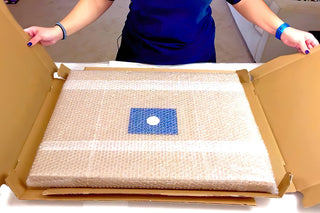
STEP 2 - SHIPPING
We ship your order. We send you an email to track the progress

STEP 3 - DELIVERY
You receive your order. You can also, according to your choice, be delivered to a relay point.
Matte finish
View from behind
Frame (optional)
Paul Cézanne's "Portrait of the artist's wife" is an iconic work that embodies the very essence of pictorial modernity. Created at the end of the 19th century, this canvas stands out for its innovative approach to human representation and color. It immerses us in the artist's intimacy, revealing a personal and emotional facet that transcends a simple portrait. Through this painting, Cézanne does not merely depict his partner but explores the subtleties of perception and light, offering us a unique vision of the world around him.
Style and uniqueness of the work
What strikes in the "Portrait of the artist's wife" is the way Cézanne manipulates color and form. The brushstrokes are both free and controlled, creating a rich texture that brings the canvas to life. The artist uses a palette of soft colors, blending warm and cool tones, to establish an intimate and warm atmosphere. The composition is carefully balanced, with each element having its place, yet never appearing static. This painting demonstrates the originality of Cézanne's style, characterized by an incessant search for the underlying structure of forms. The woman, at the center of the work, seems both present and distant, thus enhancing the mystery surrounding her. Cézanne manages to capture not only the appearance of his model but also a palpable emotion, an introspection that invites the viewer to question the very nature of representation.
The artist and his influence
Paul Cézanne, often regarded as the father of modern painting, left an indelible mark on art history. His innovative approach paved the way for 20th-century artistic movements such as Cubism and Expressionism. By breaking away from academic conventions of his time, Cézanne explored the infinite possibilities of color and form, influencing generations of artists. His work on visual perception and structure redefined how we perceive art. The
12,34 €