
Portrait painting of Sir John Perceval 3rd Battalion 1660-1686 - Thomas Pooley | Art print


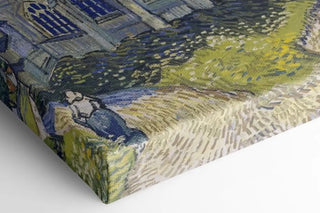
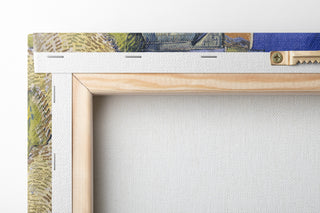
View from behind
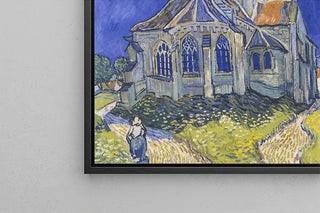
Frame (optional)
In the world of art, some works transcend time and space, capturing the essence of an era while telling a unique story. The "Portrait of Sir John Perceval 3rd Bt" by Thomas Pooley is one of these iconic pieces, embodying not only the characteristics of 17th-century aristocratic portraiture but also offering a penetrating insight into the personality of its subject. This painting, both majestic and intimate, invites the viewer to delve into the universe of a man who left his mark on his time. Through this art print, we access a frozen moment where elegance and dignity meet, revealing the subtleties of English aristocratic life.
Style and uniqueness of the work
Thomas Pooley's style is distinguished by his ability to combine realism and idealization. In this portrait, the meticulous details of Sir John Perceval's attire, as well as the thoughtful expression on his face, demonstrate impressive technical mastery. The rich colors and play of light enhance the depth of the piece, creating an atmosphere that is both solemn and lively. The composition is carefully orchestrated, highlighting the stature of the aristocrat while incorporating symbolic elements that evoke his status and values. This art print does not merely depict a man; it captures the spirit of an era where identity and social status were inextricably linked to the art of representation.
The artist and his influence
Thomas Pooley, although less well-known than some of his contemporaries, played a significant role in the development of portraiture in the 17th century. Trained in the tradition of the great masters, he developed a personal style that allowed him to stand out in a competitive artistic environment. His innovative approach, combining elements of realism with aesthetic sensitivity, influenced many artists of his time. Pooley was able to capture the soul of his subjects, giving them an almost living presence on the canvas. His work on the portrait of Sir John Perceval is emblematic of his ability to transcend simple representation to offer a true study of character, paying homage
Portrait painting of Sir John Perceval 3rd Battalion 1660-1686 - Thomas Pooley | Art print

-10% FROM €95 IN PURCHASES
-15% FROM €195 IN PURCHASES
Regular price
- Unit price
- per
Tax included.
Free shipping
€4.90 / Free shipping on orders over €39
Satisfied or Money Back
Free returns within 30 days
10-year warranty
Our prints are guaranteed for 10 years
Any questions? We are here!
by email to contact@artemlegrand.com
THE STEPS OF YOUR ORDER

STEP 1 - ORDER PLACED
Your order has been confirmed and we are starting production
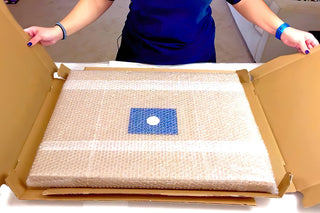
STEP 2 - SHIPPING
We ship your order. We send you an email to track the progress

STEP 3 - DELIVERY
You receive your order. You can also, according to your choice, be delivered to a relay point.
Matte finish
View from behind
Frame (optional)
In the world of art, some works transcend time and space, capturing the essence of an era while telling a unique story. The "Portrait of Sir John Perceval 3rd Bt" by Thomas Pooley is one of these iconic pieces, embodying not only the characteristics of 17th-century aristocratic portraiture but also offering a penetrating insight into the personality of its subject. This painting, both majestic and intimate, invites the viewer to delve into the universe of a man who left his mark on his time. Through this art print, we access a frozen moment where elegance and dignity meet, revealing the subtleties of English aristocratic life.
Style and uniqueness of the work
Thomas Pooley's style is distinguished by his ability to combine realism and idealization. In this portrait, the meticulous details of Sir John Perceval's attire, as well as the thoughtful expression on his face, demonstrate impressive technical mastery. The rich colors and play of light enhance the depth of the piece, creating an atmosphere that is both solemn and lively. The composition is carefully orchestrated, highlighting the stature of the aristocrat while incorporating symbolic elements that evoke his status and values. This art print does not merely depict a man; it captures the spirit of an era where identity and social status were inextricably linked to the art of representation.
The artist and his influence
Thomas Pooley, although less well-known than some of his contemporaries, played a significant role in the development of portraiture in the 17th century. Trained in the tradition of the great masters, he developed a personal style that allowed him to stand out in a competitive artistic environment. His innovative approach, combining elements of realism with aesthetic sensitivity, influenced many artists of his time. Pooley was able to capture the soul of his subjects, giving them an almost living presence on the canvas. His work on the portrait of Sir John Perceval is emblematic of his ability to transcend simple representation to offer a true study of character, paying homage
12,34 €