
Portrait of Prince Konstanty Ostrogski 1460-1533, Lord of Vilnius, Grand Hetman of Lithuania - Friedrich Kloss | Art print


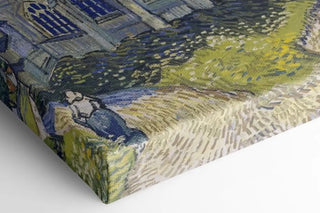
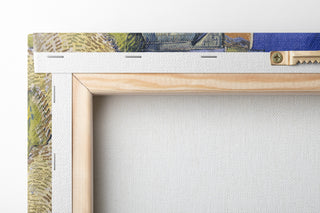
View from behind
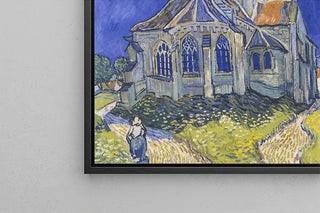
Frame (optional)
Portrait of Prince Konstanty Ostrogski 1460-1533, Lord of Vilnius, Grand Hetman of Lithuania - Friedrich Kloss – Captivating Introduction
In the vast panorama of art history, some works stand out for their ability to capture not only the appearance of an individual but also the very essence of their era. The art print of Prince Konstanty Ostrogski, created by Friedrich Kloss, falls into this category. This painting, depicting an influential statesman of the Grand Duchy of Lithuania, evokes the grandeur of a bygone age, where power and prestige were measured by nobility and military exploits. Beyond a simple representation, this piece becomes a vibrant testament to a period marked by political struggles and territorial ambitions. Contemplating this art print transports the viewer to the heart of the Renaissance, a moment when art and politics were inextricably intertwined.
Style and uniqueness of the work
Kloss's style is characterized by striking realism, where every detail is carefully studied. Prince Ostrogski is depicted with majestic dignity, his penetrating gaze and serene expression reflecting both strength and wisdom. The colors used by the artist, rich and deep, evoke a palette reminiscent of the sumptuous attire of nobles of the time. The drapery of his clothing, finely rendered, seems almost tangible, while the surrounding decorative elements add an extra dimension to the composition. Kloss does not merely depict a man; he immortalizes a symbol of power and legitimacy, making this art print a centerpiece that transcends the simple portrait to become an emblem of Lithuanian history.
The artist and his influence
Friedrich Kloss, an artist of German origin, established himself in the artistic landscape of Eastern Europe in the early 20th century. His ability to fuse Western influences with local traditions allowed him to create a unique style, appreciated by both contemporaries and subsequent generations. Kloss often explored historical themes, with a particular interest in emblematic figures of the nobility.
Portrait of Prince Konstanty Ostrogski 1460-1533, Lord of Vilnius, Grand Hetman of Lithuania - Friedrich Kloss | Art print

-10% FROM €95 IN PURCHASES
-15% FROM €195 IN PURCHASES
Regular price
- Unit price
- by
Free shipping
€4.90 / Free shipping on orders over €39
Satisfied or Money Back
Free returns within 30 days
10-year warranty
Our prints are guaranteed for 10 years
Any questions? We are here!
by email to contact@artemlegrand.com
THE STEPS OF YOUR ORDER

STEP 1 - ORDER PLACED
Your order has been confirmed and we are starting production
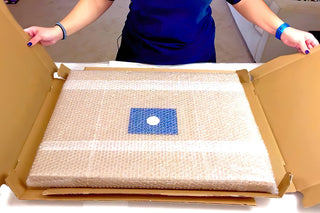
STEP 2 - SHIPPING
We ship your order. We send you an email to track the progress

STEP 3 - DELIVERY
You receive your order. You can also, according to your choice, be delivered to a relay point.
Matte finish
View from behind
Frame (optional)
Portrait of Prince Konstanty Ostrogski 1460-1533, Lord of Vilnius, Grand Hetman of Lithuania - Friedrich Kloss – Captivating Introduction
In the vast panorama of art history, some works stand out for their ability to capture not only the appearance of an individual but also the very essence of their era. The art print of Prince Konstanty Ostrogski, created by Friedrich Kloss, falls into this category. This painting, depicting an influential statesman of the Grand Duchy of Lithuania, evokes the grandeur of a bygone age, where power and prestige were measured by nobility and military exploits. Beyond a simple representation, this piece becomes a vibrant testament to a period marked by political struggles and territorial ambitions. Contemplating this art print transports the viewer to the heart of the Renaissance, a moment when art and politics were inextricably intertwined.
Style and uniqueness of the work
Kloss's style is characterized by striking realism, where every detail is carefully studied. Prince Ostrogski is depicted with majestic dignity, his penetrating gaze and serene expression reflecting both strength and wisdom. The colors used by the artist, rich and deep, evoke a palette reminiscent of the sumptuous attire of nobles of the time. The drapery of his clothing, finely rendered, seems almost tangible, while the surrounding decorative elements add an extra dimension to the composition. Kloss does not merely depict a man; he immortalizes a symbol of power and legitimacy, making this art print a centerpiece that transcends the simple portrait to become an emblem of Lithuanian history.
The artist and his influence
Friedrich Kloss, an artist of German origin, established himself in the artistic landscape of Eastern Europe in the early 20th century. His ability to fuse Western influences with local traditions allowed him to create a unique style, appreciated by both contemporaries and subsequent generations. Kloss often explored historical themes, with a particular interest in emblematic figures of the nobility.