
Portrait painting of Petronella van der Burcht 1657-1682 - Zacharias Blijhooft | Art print


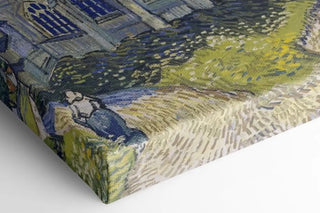
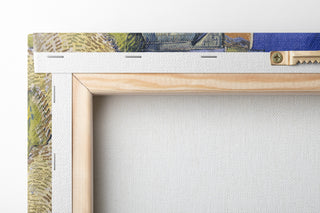
View from behind
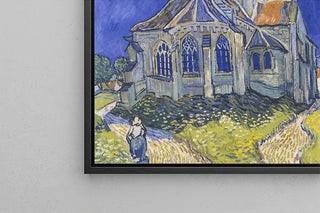
Frame (optional)
Portrait of Petronella van der Burcht 1657-1682 - Zacharias Blijhooft – Captivating introduction
In the vast panorama of 17th-century Dutch painting, the portrait of Petronella van der Burcht, created by Zacharias Blijhooft, stands out for its elegance and psychological depth. This artwork, which captures the very essence of its subject, immerses us in a universe where every detail is designed to reveal the personality and status of the sitter. Petronella, an iconic figure of her time, is depicted with a delicacy that transcends a simple portrait. The viewer is invited to contemplate not only her appearance but also the story she embodies, that of a woman at the heart of a society in full transformation.
Style and uniqueness of the work
Blijhooft's style is characterized by an exceptional mastery of nuances and textures. In this art print, the brightness of the colors and the finesse of the features highlight Petronella's beauty. Every brushstroke seems to have been carefully chosen to pay tribute to the natural grace of his model. The richness of the fabrics, the delicacy of the jewelry, and the depth of the sitter's eyes are all elements that give the piece an intimate atmosphere. Blijhooft manages to capture not only Petronella's physical appearance but also a certain melancholy, an introspection that echoes the feelings of many women of her time. This art print thus becomes a mirror of the soul, revealing the complexities of a life lived between tradition and modernity.
The artist and his influence
Zacharias Blijhooft, active at the end of the 17th century, is often regarded as a painter of intimacy. Although less well-known than some of his contemporaries, his work demonstrates a unique sensitivity, marked by a particular attention to detail and emotional expression. Trained in the tradition of the Flemish school, he was able to absorb influences from his era while developing a personal style. His portraits, such as that of Petronella, reveal a deep understanding of human psychology, a capacity to capture moments of life that transcend time. Blijhooft thus contributed to enriching the artistic heritage of the Netherlands.
Portrait painting of Petronella van der Burcht 1657-1682 - Zacharias Blijhooft | Art print

-10% FROM €95 IN PURCHASES
-15% FROM €195 IN PURCHASES
Regular price
- Unit price
- per
Tax included.
Free shipping
€4.90 / Free shipping on orders over €39
Satisfied or Money Back
Free returns within 30 days
10-year warranty
Our prints are guaranteed for 10 years
Any questions? We are here!
by email to contact@artemlegrand.com
THE STEPS OF YOUR ORDER

STEP 1 - ORDER PLACED
Your order has been confirmed and we are starting production
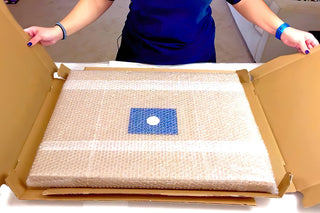
STEP 2 - SHIPPING
We ship your order. We send you an email to track the progress

STEP 3 - DELIVERY
You receive your order. You can also, according to your choice, be delivered to a relay point.
Matte finish
View from behind
Frame (optional)
Portrait of Petronella van der Burcht 1657-1682 - Zacharias Blijhooft – Captivating introduction
In the vast panorama of 17th-century Dutch painting, the portrait of Petronella van der Burcht, created by Zacharias Blijhooft, stands out for its elegance and psychological depth. This artwork, which captures the very essence of its subject, immerses us in a universe where every detail is designed to reveal the personality and status of the sitter. Petronella, an iconic figure of her time, is depicted with a delicacy that transcends a simple portrait. The viewer is invited to contemplate not only her appearance but also the story she embodies, that of a woman at the heart of a society in full transformation.
Style and uniqueness of the work
Blijhooft's style is characterized by an exceptional mastery of nuances and textures. In this art print, the brightness of the colors and the finesse of the features highlight Petronella's beauty. Every brushstroke seems to have been carefully chosen to pay tribute to the natural grace of his model. The richness of the fabrics, the delicacy of the jewelry, and the depth of the sitter's eyes are all elements that give the piece an intimate atmosphere. Blijhooft manages to capture not only Petronella's physical appearance but also a certain melancholy, an introspection that echoes the feelings of many women of her time. This art print thus becomes a mirror of the soul, revealing the complexities of a life lived between tradition and modernity.
The artist and his influence
Zacharias Blijhooft, active at the end of the 17th century, is often regarded as a painter of intimacy. Although less well-known than some of his contemporaries, his work demonstrates a unique sensitivity, marked by a particular attention to detail and emotional expression. Trained in the tradition of the Flemish school, he was able to absorb influences from his era while developing a personal style. His portraits, such as that of Petronella, reveal a deep understanding of human psychology, a capacity to capture moments of life that transcend time. Blijhooft thus contributed to enriching the artistic heritage of the Netherlands.
12,34 €