
Portrait Painting of Paulus Verschuur, who served seven terms as mayor of Rotterdam and also as director of the Rotterdam Chamber of the Dutch East India Company, elected in 1651 - Pieter van der Werff


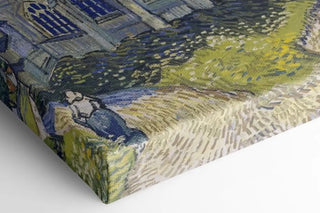
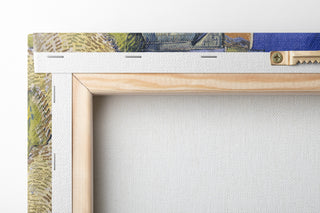
View from behind
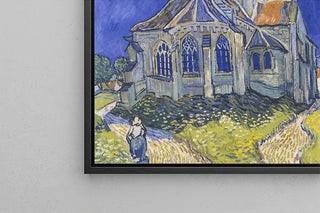
Frame (optional)
Reproduction Portrait of Paulus Verschuur, who served seven terms as mayor of Rotterdam and was also director of the Rotterdam Chamber of the East India Company, elected in 1651 - Pieter van der Werff – Captivating Introduction
In the fascinating world of 17th-century Dutch painting, Pieter van der Werff's work stands out for its ability to capture not only the physical features of its subjects but also their essence and social status. The "Art print of Paulus Verschuur," which immortalizes a man who played a crucial role in Rotterdam's history, is a quintessential example of this mastery. Verschuur, as mayor and director of the East India Company, embodies the peak of an era where commerce and politics intertwine, and where art becomes a reflection of human ambitions. The depiction of this statesman, adorned with symbols of power and wealth, invites the viewer to delve into a bygone era while inspiring reflection on the dynamics of power and identity.
Style and uniqueness of the work
Pieter van der Werff's style is characterized by meticulous attention to detail and a rich, warm color palette. In the "Art print of Paulus Verschuur," every element, from the sumptuous costume to the carefully chosen accessories, demonstrates unparalleled craftsmanship. The play of light and shadow, as well as the way the painter renders the texture of fabrics, gives the piece depth and an almost tactile dimension. Verschuur's posture, both imposing and approachable, along with his confident gaze, suggests a strong personality, a man aware of his role and place in history. This ability to combine realism and idealization makes this work a centerpiece, transcending its era to touch future generations.
The artist and his influence
Pieter van der Werff, born in 1659 and died in 1722, is a key figure of Dutch Baroque. His career, although marked by personal challenges and varied critiques, was filled with successes that made him a respected artist. Influenced by the great masters of his time, he developed a style that is uniquely his own, combining the rigor of drawing
Portrait Painting of Paulus Verschuur, who served seven terms as mayor of Rotterdam and also as director of the Rotterdam Chamber of the Dutch East India Company, elected in 1651 - Pieter van der Werff

-10% FROM €95 IN PURCHASES
-15% FROM €195 IN PURCHASES
Regular price
- Unit price
- per
Tax included.
Free shipping
€4.90 / Free shipping on orders over €39
Satisfied or Money Back
Free returns within 30 days
10-year warranty
Our prints are guaranteed for 10 years
Any questions? We are here!
by email to contact@artemlegrand.com
THE STEPS OF YOUR ORDER
STEP 1 - ORDER PLACED
Your order has been confirmed and we are starting production
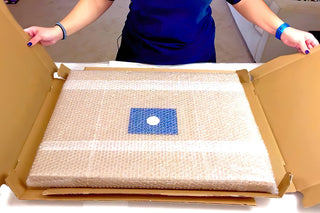
STEP 2 - SHIPPING
We ship your order. We send you an email to track the progress

STEP 3 - DELIVERY
You receive your order. You can also, according to your choice, be delivered to a relay point.
Matte finish
View from behind
Frame (optional)
Reproduction Portrait of Paulus Verschuur, who served seven terms as mayor of Rotterdam and was also director of the Rotterdam Chamber of the East India Company, elected in 1651 - Pieter van der Werff – Captivating Introduction
In the fascinating world of 17th-century Dutch painting, Pieter van der Werff's work stands out for its ability to capture not only the physical features of its subjects but also their essence and social status. The "Art print of Paulus Verschuur," which immortalizes a man who played a crucial role in Rotterdam's history, is a quintessential example of this mastery. Verschuur, as mayor and director of the East India Company, embodies the peak of an era where commerce and politics intertwine, and where art becomes a reflection of human ambitions. The depiction of this statesman, adorned with symbols of power and wealth, invites the viewer to delve into a bygone era while inspiring reflection on the dynamics of power and identity.
Style and uniqueness of the work
Pieter van der Werff's style is characterized by meticulous attention to detail and a rich, warm color palette. In the "Art print of Paulus Verschuur," every element, from the sumptuous costume to the carefully chosen accessories, demonstrates unparalleled craftsmanship. The play of light and shadow, as well as the way the painter renders the texture of fabrics, gives the piece depth and an almost tactile dimension. Verschuur's posture, both imposing and approachable, along with his confident gaze, suggests a strong personality, a man aware of his role and place in history. This ability to combine realism and idealization makes this work a centerpiece, transcending its era to touch future generations.
The artist and his influence
Pieter van der Werff, born in 1659 and died in 1722, is a key figure of Dutch Baroque. His career, although marked by personal challenges and varied critiques, was filled with successes that made him a respected artist. Influenced by the great masters of his time, he developed a style that is uniquely his own, combining the rigor of drawing
12,34 €