
Portrait of Mrs. Gad née Tvermoes - Jørgen Roed | Art print


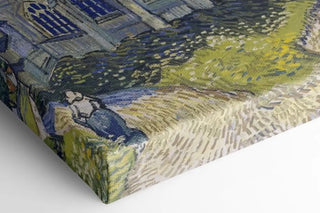
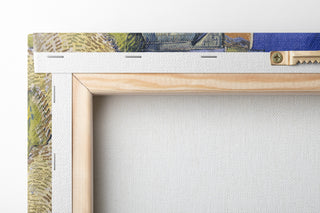
View from behind
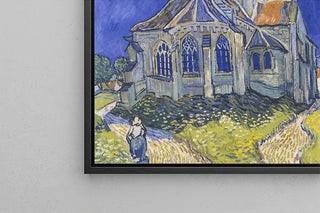
Frame (optional)
Portrait of Mrs. Gad née Tvermoes - Jørgen Roed – Captivating Introduction
The "Portrait of Mrs. Gad née Tvermoes" by Jørgen Roed is a work that embodies the elegance and finesse of 19th-century portraiture. Through this painting, the Danish artist manages to capture not only the physical appearance of his model but also a deeper essence, a kind of soul emanating from the canvas. This art print allows appreciation of the meticulous details and subtleties of Roed's technique, while offering a window into an era when portrait art was a privileged means of expressing feelings and social status. The piece stands out for its ability to evoke an intimate atmosphere, inviting the viewer to ponder the life and thoughts of the woman depicted.
Style and uniqueness of the work
Jørgen Roed's style is characterized by a realistic approach, but also by a romantic sensitivity that manifests in the choice of colors and textures. In the "Portrait of Mrs. Gad née Tvermoes," the warm and soft color palette creates a visual harmony that draws the eye. Light plays a crucial role, shaping forms and highlighting the delicate features of Mrs. Gad's face. Every detail, from her dress fabric to the reflections in her hair, testifies to Roed's virtuosity and his attention to the elements that compose the image. This work is a celebration of feminine beauty, but also a reflection on identity and status, capturing a fleeting moment in time while giving it an timeless dimension.
The artist and his influence
Jørgen Roed, born in 1808, was a painter whose work had a significant influence on the development of portraiture in Denmark. Trained in the major artistic centers of his time, he mastered classical techniques while opening up to new ideas circulating in Europe. Roed was a keen observer of his era, and his portraits, like that of Mrs. Gad, reflect not only the physical traits of his models but also the aspirations and concerns of 19th-century Danish society. His works are often regarded as witnesses to the evolution of customs
Portrait of Mrs. Gad née Tvermoes - Jørgen Roed | Art print

-10% FROM €95 IN PURCHASES
-15% FROM €195 IN PURCHASES
Regular price
- Unit price
- per
Tax included.
Free shipping
€4.90 / Free shipping on orders over €39
Satisfied or Money Back
Free returns within 30 days
10-year warranty
Our prints are guaranteed for 10 years
Any questions? We are here!
by email to contact@artemlegrand.com
THE STEPS OF YOUR ORDER

STEP 1 - ORDER PLACED
Your order has been confirmed and we are starting production
STEP 2 - SHIPPING
We ship your order. We send you an email to track the progress

STEP 3 - DELIVERY
You receive your order. You can also, according to your choice, be delivered to a relay point.
Matte finish
View from behind
Frame (optional)
Portrait of Mrs. Gad née Tvermoes - Jørgen Roed – Captivating Introduction
The "Portrait of Mrs. Gad née Tvermoes" by Jørgen Roed is a work that embodies the elegance and finesse of 19th-century portraiture. Through this painting, the Danish artist manages to capture not only the physical appearance of his model but also a deeper essence, a kind of soul emanating from the canvas. This art print allows appreciation of the meticulous details and subtleties of Roed's technique, while offering a window into an era when portrait art was a privileged means of expressing feelings and social status. The piece stands out for its ability to evoke an intimate atmosphere, inviting the viewer to ponder the life and thoughts of the woman depicted.
Style and uniqueness of the work
Jørgen Roed's style is characterized by a realistic approach, but also by a romantic sensitivity that manifests in the choice of colors and textures. In the "Portrait of Mrs. Gad née Tvermoes," the warm and soft color palette creates a visual harmony that draws the eye. Light plays a crucial role, shaping forms and highlighting the delicate features of Mrs. Gad's face. Every detail, from her dress fabric to the reflections in her hair, testifies to Roed's virtuosity and his attention to the elements that compose the image. This work is a celebration of feminine beauty, but also a reflection on identity and status, capturing a fleeting moment in time while giving it an timeless dimension.
The artist and his influence
Jørgen Roed, born in 1808, was a painter whose work had a significant influence on the development of portraiture in Denmark. Trained in the major artistic centers of his time, he mastered classical techniques while opening up to new ideas circulating in Europe. Roed was a keen observer of his era, and his portraits, like that of Mrs. Gad, reflect not only the physical traits of his models but also the aspirations and concerns of 19th-century Danish society. His works are often regarded as witnesses to the evolution of customs
12,34 €