
Painting Portrait of Mounet-Sully - Théobald Chartran | Art print


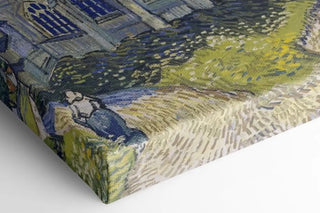
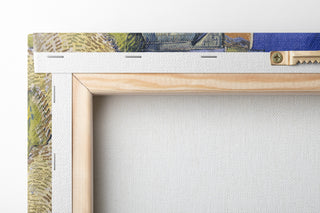
View from behind
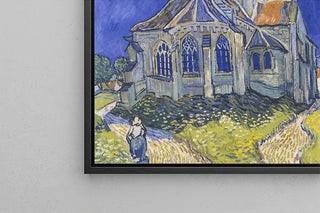
Frame (optional)
Portrait of Mounet-Sully - Théobald Chartran – Captivating Introduction
In the fascinating world of art, some works stand out for their ability to capture the essence of an individual while revealing the subtleties of a bygone era. The "Portrait of Mounet-Sully" by Théobald Chartran is one of those masterpieces that transcends the simple frame of painting to become a living testament to the late 19th century. The depiction of the French actor, renowned for his talent and charisma, invites viewers to explore not only the personality of the subject but also the cultural context in which he evolved. Through this portrait, Chartran does not merely paint a face; he immerses us in the theatrical universe of his time, where passion and emotion intertwine with the art of performance.
Style and uniqueness of the work
Théobald Chartran's style is characterized by an exceptional mastery of portraiture, a capacity to breathe life and depth into the figures he immortalizes. In the "Portrait of Mounet-Sully," the choice of colors, the texture of brushstrokes, and the carefully orchestrated lighting create an atmosphere that is both intimate and theatrical. The penetrating gaze of the actor, his eloquent posture, and the refined details of his attire reveal a complex personality, both powerful and vulnerable. Chartran employs subtle nuances to evoke emotions, making the viewer complicit in the introspection of the model. This portrait is not merely a physical representation; it is a psychological exploration, an open window into the thoughts and feelings of a man whose life was dedicated to the art of the stage.
The artist and his influence
Théobald Chartran, born in 1849, made a name for himself in the world of painting thanks to his undeniable talent and his unique approach to portraiture. Influenced by the great masters of French painting, he developed a style that combines tradition and innovation. Chartran also had the opportunity to mingle with emblematic figures of his era, which enriched his artistic approach. By painting Mounet-Sully, he does not merely celebrate an actor; he immortalizes an era when theater was in full effervescence, a
Painting Portrait of Mounet-Sully - Théobald Chartran | Art print

-10% FROM €95 IN PURCHASES
-15% FROM €195 IN PURCHASES
Regular price
- Unit price
- per
Tax included.
Free shipping
€4.90 / Free shipping on orders over €39
Satisfied or Money Back
Free returns within 30 days
10-year warranty
Our prints are guaranteed for 10 years
Any questions? We are here!
by email to contact@artemlegrand.com
THE STEPS OF YOUR ORDER

STEP 1 - ORDER PLACED
Your order has been confirmed and we are starting production
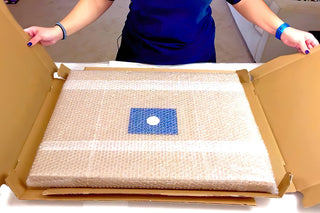
STEP 2 - SHIPPING
We ship your order. We send you an email to track the progress

STEP 3 - DELIVERY
You receive your order. You can also, according to your choice, be delivered to a relay point.
Matte finish
View from behind
Frame (optional)
Portrait of Mounet-Sully - Théobald Chartran – Captivating Introduction
In the fascinating world of art, some works stand out for their ability to capture the essence of an individual while revealing the subtleties of a bygone era. The "Portrait of Mounet-Sully" by Théobald Chartran is one of those masterpieces that transcends the simple frame of painting to become a living testament to the late 19th century. The depiction of the French actor, renowned for his talent and charisma, invites viewers to explore not only the personality of the subject but also the cultural context in which he evolved. Through this portrait, Chartran does not merely paint a face; he immerses us in the theatrical universe of his time, where passion and emotion intertwine with the art of performance.
Style and uniqueness of the work
Théobald Chartran's style is characterized by an exceptional mastery of portraiture, a capacity to breathe life and depth into the figures he immortalizes. In the "Portrait of Mounet-Sully," the choice of colors, the texture of brushstrokes, and the carefully orchestrated lighting create an atmosphere that is both intimate and theatrical. The penetrating gaze of the actor, his eloquent posture, and the refined details of his attire reveal a complex personality, both powerful and vulnerable. Chartran employs subtle nuances to evoke emotions, making the viewer complicit in the introspection of the model. This portrait is not merely a physical representation; it is a psychological exploration, an open window into the thoughts and feelings of a man whose life was dedicated to the art of the stage.
The artist and his influence
Théobald Chartran, born in 1849, made a name for himself in the world of painting thanks to his undeniable talent and his unique approach to portraiture. Influenced by the great masters of French painting, he developed a style that combines tradition and innovation. Chartran also had the opportunity to mingle with emblematic figures of his era, which enriched his artistic approach. By painting Mounet-Sully, he does not merely celebrate an actor; he immortalizes an era when theater was in full effervescence, a
12,34 €