
Painting Portrait of Mary Lord - Rembrandt Peale | Art print Source: Tableau Portrait de Mary Lord - Rembrandt Peale | Reproduction


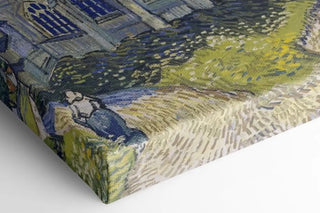
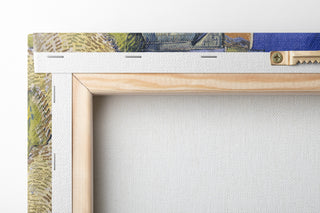
View from behind
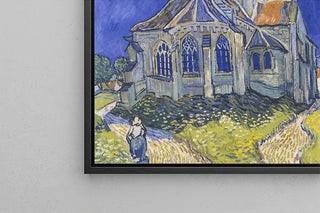
Frame (optional)
Portrait of Mary Lord - Rembrandt Peale – Captivating Introduction
The "Portrait of Mary Lord" by Rembrandt Peale is a work that transcends the simple frame of painting to immerse us in the intimacy of a moment captured with unparalleled finesse. This painting, created in the early 19th century, testifies to Peale's skill in capturing not only the physical features of his subject but also the very essence of her personality. Mary Lord, with her penetrating gaze and delicate expression, seems to invite us to discover her inner world. The art print of this iconic work allows us to rediscover the emotional depth and narrative richness that Peale infused into his subject, while offering a fascinating glimpse into the style and aesthetic concerns of his era.
Style and uniqueness of the work
Rembrandt Peale's style in the "Portrait of Mary Lord" is distinguished by a realistic and intimate approach. The chiaroscuro technique, inherited from 17th-century masters, is implemented here with remarkable subtlety. Shadows and lights intertwine harmoniously to create an atmosphere that is both warm and mysterious. The color palette chosen by the artist evokes softness and delicacy, highlighting the natural beauty of Mary Lord. Every detail, from the fabric of her dress to the texture of her hair, is rendered with precision that demonstrates Peale's exceptional talent. This portrait does not merely depict a figure; it tells a story, that of a woman of her time, while engaging in a broader dialogue about the human condition.
The artist and his influence
Rembrandt Peale, a member of an artistic family, managed to establish a solid reputation within the American art scene of the early 19th century. Influenced by European masters and his own family heritage, he skillfully combined tradition and innovation in his works. His approach to portraiture, focused on the psychology of the model, marked a turning point in the development of representational art at that time. Peale also played a key role in promoting American art, seeking to establish a national identity through his creations. His influence endures today, both in art schools and in contemporary practices, where the ex
Painting Portrait of Mary Lord - Rembrandt Peale | Art print Source: Tableau Portrait de Mary Lord - Rembrandt Peale | Reproduction

-10% FROM €95 IN PURCHASES
-15% FROM €195 IN PURCHASES
Regular price
- Unit price
- per
Tax included.
Free shipping
€4.90 / Free shipping on orders over €39
Satisfied or Money Back
Free returns within 30 days
10-year warranty
Our prints are guaranteed for 10 years
Any questions? We are here!
by email to contact@artemlegrand.com
THE STEPS OF YOUR ORDER

STEP 1 - ORDER PLACED
Your order has been confirmed and we are starting production
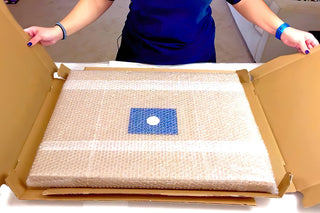
STEP 2 - SHIPPING
We ship your order. We send you an email to track the progress

STEP 3 - DELIVERY
You receive your order. You can also, according to your choice, be delivered to a relay point.
Matte finish
View from behind
Frame (optional)
Portrait of Mary Lord - Rembrandt Peale – Captivating Introduction
The "Portrait of Mary Lord" by Rembrandt Peale is a work that transcends the simple frame of painting to immerse us in the intimacy of a moment captured with unparalleled finesse. This painting, created in the early 19th century, testifies to Peale's skill in capturing not only the physical features of his subject but also the very essence of her personality. Mary Lord, with her penetrating gaze and delicate expression, seems to invite us to discover her inner world. The art print of this iconic work allows us to rediscover the emotional depth and narrative richness that Peale infused into his subject, while offering a fascinating glimpse into the style and aesthetic concerns of his era.
Style and uniqueness of the work
Rembrandt Peale's style in the "Portrait of Mary Lord" is distinguished by a realistic and intimate approach. The chiaroscuro technique, inherited from 17th-century masters, is implemented here with remarkable subtlety. Shadows and lights intertwine harmoniously to create an atmosphere that is both warm and mysterious. The color palette chosen by the artist evokes softness and delicacy, highlighting the natural beauty of Mary Lord. Every detail, from the fabric of her dress to the texture of her hair, is rendered with precision that demonstrates Peale's exceptional talent. This portrait does not merely depict a figure; it tells a story, that of a woman of her time, while engaging in a broader dialogue about the human condition.
The artist and his influence
Rembrandt Peale, a member of an artistic family, managed to establish a solid reputation within the American art scene of the early 19th century. Influenced by European masters and his own family heritage, he skillfully combined tradition and innovation in his works. His approach to portraiture, focused on the psychology of the model, marked a turning point in the development of representational art at that time. Peale also played a key role in promoting American art, seeking to establish a national identity through his creations. His influence endures today, both in art schools and in contemporary practices, where the ex
12,34 €