
Art print Portrait of Marie Thérèse Louise of Savoy Princesse de Lamballe - Jean-Baptiste Charpentier | Art print


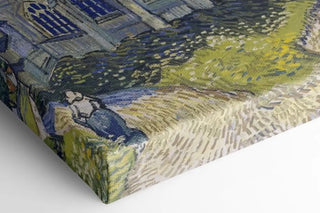
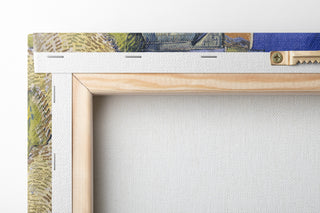
View from behind
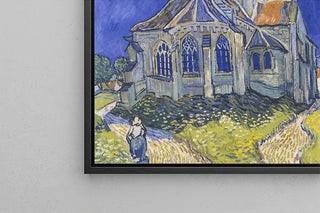
Frame (optional)
Portrait of Marie Thérèse Louise of Savoy Princesse de Lamballe - Jean-Baptiste Charpentier – Engaging introduction
In the world of art, some works transcend their era and captivate the hearts of history and beauty enthusiasts. The art print Portrait of Marie Thérèse Louise of Savoy Princesse de Lamballe - Jean-Baptiste Charpentier is a perfect example. This painting, depicting the Princess of Lamballe, an iconic figure at the French court in the 18th century, evokes a time of refinement and upheaval. Through Marie Thérèse's penetrating gaze, the viewer is transported to a universe where grace and nobility blend with deep melancholy. This piece is not merely a portrait; it reflects a complex personality, both close to royalty and tragically linked to revolutionary events.
Style and uniqueness of the work
Jean-Baptiste Charpentier's style is distinguished by exceptional finesse and meticulous attention to detail. In this portrait, light plays a crucial role, illuminating the princess's face while creating delicate shadows that sculpt her features. The chosen colors, both soft and vibrant, enhance the beauty of the subject while conveying an atmosphere of dignity and sadness. Charpentier, a true master of portraiture, manages to capture not only Marie Thérèse's physical appearance but also her spiritual essence. The choice of clothing, richly decorated and highly elegant, reflects her high status, while the background, often understated, highlights the central figure, allowing the viewer to focus on the princess's delicate expression. Thus, each element of the composition contributes to creating a work of great emotional depth.
The artist and his influence
Jean-Baptiste Charpentier, active in the 18th century, was an artist whose work marked his era. Trained in the flourishing artistic context of pre-revolutionary France, he established himself through his unique approach to portraiture. Influenced by the masters of the past, he reinterpreted genre conventions to offer more lively and intimate representations of his subjects. Charpentier was also a keen observer
Art print Portrait of Marie Thérèse Louise of Savoy Princesse de Lamballe - Jean-Baptiste Charpentier | Art print

-10% FROM €95 IN PURCHASES
-15% FROM €195 IN PURCHASES
Regular price
- Unit price
- per
Tax included.
Free shipping
€4.90 / Free shipping on orders over €39
Satisfied or Money Back
Free returns within 30 days
10-year warranty
Our prints are guaranteed for 10 years
Any questions? We are here!
by email to contact@artemlegrand.com
THE STEPS OF YOUR ORDER
STEP 1 - ORDER PLACED
Your order has been confirmed and we are starting production
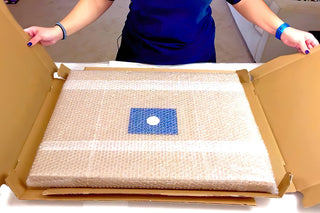
STEP 2 - SHIPPING
We ship your order. We send you an email to track the progress

STEP 3 - DELIVERY
You receive your order. You can also, according to your choice, be delivered to a relay point.
Matte finish
View from behind
Frame (optional)
Portrait of Marie Thérèse Louise of Savoy Princesse de Lamballe - Jean-Baptiste Charpentier – Engaging introduction
In the world of art, some works transcend their era and captivate the hearts of history and beauty enthusiasts. The art print Portrait of Marie Thérèse Louise of Savoy Princesse de Lamballe - Jean-Baptiste Charpentier is a perfect example. This painting, depicting the Princess of Lamballe, an iconic figure at the French court in the 18th century, evokes a time of refinement and upheaval. Through Marie Thérèse's penetrating gaze, the viewer is transported to a universe where grace and nobility blend with deep melancholy. This piece is not merely a portrait; it reflects a complex personality, both close to royalty and tragically linked to revolutionary events.
Style and uniqueness of the work
Jean-Baptiste Charpentier's style is distinguished by exceptional finesse and meticulous attention to detail. In this portrait, light plays a crucial role, illuminating the princess's face while creating delicate shadows that sculpt her features. The chosen colors, both soft and vibrant, enhance the beauty of the subject while conveying an atmosphere of dignity and sadness. Charpentier, a true master of portraiture, manages to capture not only Marie Thérèse's physical appearance but also her spiritual essence. The choice of clothing, richly decorated and highly elegant, reflects her high status, while the background, often understated, highlights the central figure, allowing the viewer to focus on the princess's delicate expression. Thus, each element of the composition contributes to creating a work of great emotional depth.
The artist and his influence
Jean-Baptiste Charpentier, active in the 18th century, was an artist whose work marked his era. Trained in the flourishing artistic context of pre-revolutionary France, he established himself through his unique approach to portraiture. Influenced by the masters of the past, he reinterpreted genre conventions to offer more lively and intimate representations of his subjects. Charpentier was also a keen observer
12,34 €