
Portrait of Marie-Josèphe of Austria - Louis de Silvestre | Art print


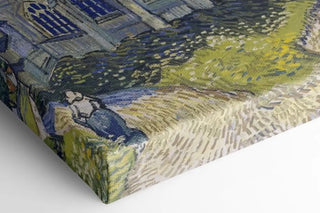
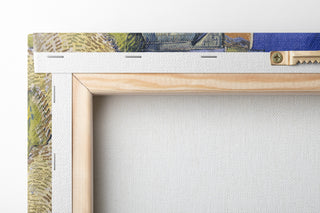
View from behind
Frame (optional)
Portrait of Marie-Josèphe of Austria - Louis de Silvestre – Captivating Introduction
The "Portrait of Marie-Josèphe of Austria" by Louis de Silvestre is an iconic work that transcends the simple frame of a painting to become a true testament to the history and culture of the 18th century. Marie-Josèphe, Archduchess of Austria and wife of the Elector of Saxony, is depicted here with a majesty that evokes both her royal status and her personality. Every detail of this portrait invites the viewer to immerse themselves in the world of European courts, where art and power intertwine. The finesse of the brushstrokes, the richness of the colors, and the elegance of the composition offer an immersion into an era when art was a means of glorifying royal figures and their lineages.
Style and uniqueness of the work
Louis de Silvestre's style is distinguished by his ability to capture light and texture with remarkable precision. In this portrait, the drapery of Marie-Josèphe's gown is painted with such mastery that it almost feels tangible. The delicate nuances of silk and the subtle reflections create a depth that draws the eye. The posture of the sovereign, both graceful and confident, reflects her rank while revealing an intimacy that humanizes the royal figure. The background, often shaded, highlights the luminosity of Marie-Josèphe's face, thus accentuating her gentle yet determined expression. This stylistic choice, characteristic of Baroque art, allows the work to transcend time, offering future generations a window into the past.
The artist and his influence
Louis de Silvestre, a renowned portraitist, established himself in the artistic landscape of his time thanks to his undeniable talent and keen sense of representation. Trained at the French painting school, he managed to incorporate various influences while developing a personal style that is uniquely his own. Silvestre had the opportunity to work for royal courts across Europe, which allowed him to mingle with emblematic figures and enrich his art with fascinating cultural diversity. His ability to translate the personality of his
Portrait of Marie-Josèphe of Austria - Louis de Silvestre | Art print

-10% FROM €95 IN PURCHASES
-15% FROM €195 IN PURCHASES
Regular price
- Unit price
- per
Tax included.
Free shipping
€4.90 / Free shipping on orders over €39
Satisfied or Money Back
Free returns within 30 days
10-year warranty
Our prints are guaranteed for 10 years
Any questions? We are here!
by email to contact@artemlegrand.com
THE STEPS OF YOUR ORDER

STEP 1 - ORDER PLACED
Your order has been confirmed and we are starting production
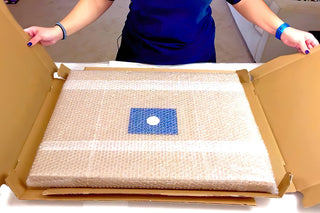
STEP 2 - SHIPPING
We ship your order. We send you an email to track the progress

STEP 3 - DELIVERY
You receive your order. You can also, according to your choice, be delivered to a relay point.
Matte finish
View from behind
Frame (optional)
Portrait of Marie-Josèphe of Austria - Louis de Silvestre – Captivating Introduction
The "Portrait of Marie-Josèphe of Austria" by Louis de Silvestre is an iconic work that transcends the simple frame of a painting to become a true testament to the history and culture of the 18th century. Marie-Josèphe, Archduchess of Austria and wife of the Elector of Saxony, is depicted here with a majesty that evokes both her royal status and her personality. Every detail of this portrait invites the viewer to immerse themselves in the world of European courts, where art and power intertwine. The finesse of the brushstrokes, the richness of the colors, and the elegance of the composition offer an immersion into an era when art was a means of glorifying royal figures and their lineages.
Style and uniqueness of the work
Louis de Silvestre's style is distinguished by his ability to capture light and texture with remarkable precision. In this portrait, the drapery of Marie-Josèphe's gown is painted with such mastery that it almost feels tangible. The delicate nuances of silk and the subtle reflections create a depth that draws the eye. The posture of the sovereign, both graceful and confident, reflects her rank while revealing an intimacy that humanizes the royal figure. The background, often shaded, highlights the luminosity of Marie-Josèphe's face, thus accentuating her gentle yet determined expression. This stylistic choice, characteristic of Baroque art, allows the work to transcend time, offering future generations a window into the past.
The artist and his influence
Louis de Silvestre, a renowned portraitist, established himself in the artistic landscape of his time thanks to his undeniable talent and keen sense of representation. Trained at the French painting school, he managed to incorporate various influences while developing a personal style that is uniquely his own. Silvestre had the opportunity to work for royal courts across Europe, which allowed him to mingle with emblematic figures and enrich his art with fascinating cultural diversity. His ability to translate the personality of his
12,34 €