
Painting Portrait of Marie Barthélemy 1838 1858 - Pierre Louis Alexandre Abel Terral


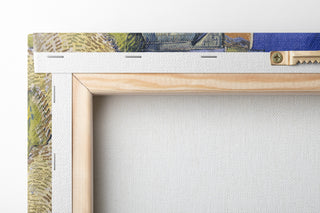
View from behind
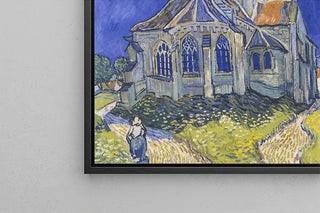
Frame (optional)
In the fascinating universe of art history, some artworks transcend their era to become timeless witnesses to human sensitivity. The "Portrait of Marie Barthélemy" created between 1838 and 1858 by Pierre Louis Alexandre Abel Terral is a compelling example. This painting, which captures the very essence of its subject, invites us to delve into the intimacy of a time when painting was a privileged means of expressing emotions and identities. Through Marie Barthélemy's gaze, the viewer is transported into a world where beauty and delicacy intertwine, revealing the subtleties of a life that, although frozen on the canvas, continues to resonate through the ages.
Style and uniqueness of the work
Terral's style is distinguished by his ability to capture light and texture, giving his portraits a rare emotional depth. In the "Portrait of Marie Barthélemy," the fineness of details is striking. The delicate nuances of the skin, the reflections in the hair, and the elegant drapery of the dress testify to exceptional craftsmanship. Each brushstroke seems to vibrate with a life of its own, and Marie Barthélemy's facial expression, both gentle and resolute, evokes a complex personality. The artist manages to establish a dialogue between the subject and the viewer, creating a connection that transcends the simple act of looking. The choice of colors, both harmonious and bold, enhances the intimate atmosphere of the work, making this portrait a true ode to femininity.
The artist and his influence
Pierre Louis Alexandre Abel Terral, although less known than some of his contemporaries, managed to leave his mark on his era through an innovative approach to portraiture. Born in the early 19th century, he was influenced by Romantic and Realist currents that redefined the aesthetic standards of his time. His work is characterized by a particular attention to human emotions, a quality that is reflected in the "Portrait of Marie Barthélemy." Terral thus fits into an artistic tradition that values individuality and the psychology of
Painting Portrait of Marie Barthélemy 1838 1858 - Pierre Louis Alexandre Abel Terral

-10% FROM €95 IN PURCHASES
-15% FROM €195 IN PURCHASES
Regular price
- Unit price
- per
Tax included.
Free shipping
€4.90 / Free shipping on orders over €39
Satisfied or Money Back
Free returns within 30 days
10-year warranty
Our prints are guaranteed for 10 years
Any questions? We are here!
by email to contact@artemlegrand.com
THE STEPS OF YOUR ORDER

STEP 1 - ORDER PLACED
Your order has been confirmed and we are starting production
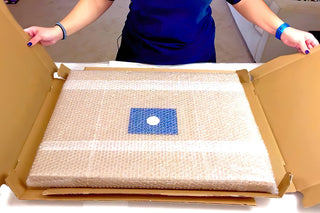
STEP 2 - SHIPPING
We ship your order. We send you an email to track the progress

STEP 3 - DELIVERY
You receive your order. You can also, according to your choice, be delivered to a relay point.
Matte finish
View from behind
Frame (optional)
In the fascinating universe of art history, some artworks transcend their era to become timeless witnesses to human sensitivity. The "Portrait of Marie Barthélemy" created between 1838 and 1858 by Pierre Louis Alexandre Abel Terral is a compelling example. This painting, which captures the very essence of its subject, invites us to delve into the intimacy of a time when painting was a privileged means of expressing emotions and identities. Through Marie Barthélemy's gaze, the viewer is transported into a world where beauty and delicacy intertwine, revealing the subtleties of a life that, although frozen on the canvas, continues to resonate through the ages.
Style and uniqueness of the work
Terral's style is distinguished by his ability to capture light and texture, giving his portraits a rare emotional depth. In the "Portrait of Marie Barthélemy," the fineness of details is striking. The delicate nuances of the skin, the reflections in the hair, and the elegant drapery of the dress testify to exceptional craftsmanship. Each brushstroke seems to vibrate with a life of its own, and Marie Barthélemy's facial expression, both gentle and resolute, evokes a complex personality. The artist manages to establish a dialogue between the subject and the viewer, creating a connection that transcends the simple act of looking. The choice of colors, both harmonious and bold, enhances the intimate atmosphere of the work, making this portrait a true ode to femininity.
The artist and his influence
Pierre Louis Alexandre Abel Terral, although less known than some of his contemporaries, managed to leave his mark on his era through an innovative approach to portraiture. Born in the early 19th century, he was influenced by Romantic and Realist currents that redefined the aesthetic standards of his time. His work is characterized by a particular attention to human emotions, a quality that is reflected in the "Portrait of Marie Barthélemy." Terral thus fits into an artistic tradition that values individuality and the psychology of
12,34 €