
Art print Portrait of Marguerite of Navarre - Jean Clouet | Art print


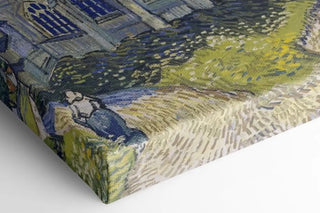
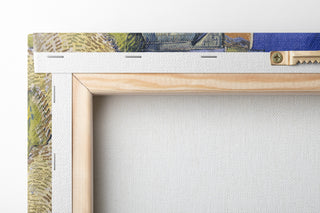
View from behind
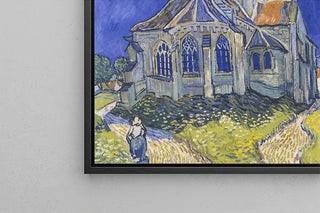
Frame (optional)
In the world of art, some works transcend time and space, captivating viewers and evoking deep emotions. The "Portrait of Marguerite de Navarre" by Jean Clouet is one of these masterpieces. This painting, depicting the sister of King François I, offers a fascinating window into the French Renaissance. By exploring this artwork, one discovers not only the beauty of the subject but also the rich cultural and historical context surrounding it. Marguerite de Navarre, an iconic figure of her era, embodies the humanist spirit that marked this period of artistic and intellectual renewal. Clouet's art, in turn, reveals itself as a reflection of the aesthetic and social values of his time.
Style and uniqueness of the work
The "Portrait of Marguerite de Navarre" stands out for its striking realism and meticulous attention to detail. Jean Clouet, master of portraiture, manages to capture not only the physical resemblance of his model but also her spiritual essence. Marguerite's delicate features, accentuated by a palette of soft colors and subtle play of light, testify to the artist's technical skill. This painting is also characterized by a balanced composition, where the viewer's gaze is immediately drawn to the expressive face of the princess. The sumptuous clothing, adorned with refined motifs, adds an extra dimension to the work, evoking Marguerite's royal status while highlighting the elegance of Renaissance fashion. Every element of this portrait, from sparkling jewelry to rich drapery, contributes to creating an atmosphere that is both intimate and majestic.
The artist and his influence
Jean Clouet, active in the early 16th century, is considered one of the pioneers of portraiture at the French court. His style, marked by precise realism and psychological sensitivity, influenced many artists of his time and future generations. Clouet successfully established himself in a context where portraiture became a means of celebrating not only nobility but also individual personality. By painting Marguerite de Navarre, he does not merely represent a
Art print Portrait of Marguerite of Navarre - Jean Clouet | Art print

-10% FROM €95 IN PURCHASES
-15% FROM €195 IN PURCHASES
Regular price
- Unit price
- per
Tax included.
Free shipping
€4.90 / Free shipping on orders over €39
Satisfied or Money Back
Free returns within 30 days
10-year warranty
Our prints are guaranteed for 10 years
Any questions? We are here!
by email to contact@artemlegrand.com
THE STEPS OF YOUR ORDER
STEP 1 - ORDER PLACED
Your order has been confirmed and we are starting production
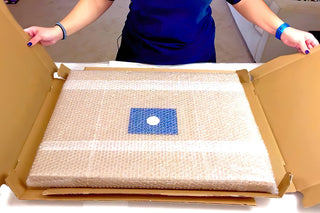
STEP 2 - SHIPPING
We ship your order. We send you an email to track the progress

STEP 3 - DELIVERY
You receive your order. You can also, according to your choice, be delivered to a relay point.
Matte finish
View from behind
Frame (optional)
In the world of art, some works transcend time and space, captivating viewers and evoking deep emotions. The "Portrait of Marguerite de Navarre" by Jean Clouet is one of these masterpieces. This painting, depicting the sister of King François I, offers a fascinating window into the French Renaissance. By exploring this artwork, one discovers not only the beauty of the subject but also the rich cultural and historical context surrounding it. Marguerite de Navarre, an iconic figure of her era, embodies the humanist spirit that marked this period of artistic and intellectual renewal. Clouet's art, in turn, reveals itself as a reflection of the aesthetic and social values of his time.
Style and uniqueness of the work
The "Portrait of Marguerite de Navarre" stands out for its striking realism and meticulous attention to detail. Jean Clouet, master of portraiture, manages to capture not only the physical resemblance of his model but also her spiritual essence. Marguerite's delicate features, accentuated by a palette of soft colors and subtle play of light, testify to the artist's technical skill. This painting is also characterized by a balanced composition, where the viewer's gaze is immediately drawn to the expressive face of the princess. The sumptuous clothing, adorned with refined motifs, adds an extra dimension to the work, evoking Marguerite's royal status while highlighting the elegance of Renaissance fashion. Every element of this portrait, from sparkling jewelry to rich drapery, contributes to creating an atmosphere that is both intimate and majestic.
The artist and his influence
Jean Clouet, active in the early 16th century, is considered one of the pioneers of portraiture at the French court. His style, marked by precise realism and psychological sensitivity, influenced many artists of his time and future generations. Clouet successfully established himself in a context where portraiture became a means of celebrating not only nobility but also individual personality. By painting Marguerite de Navarre, he does not merely represent a
12,34 €