
Portrait painting of Madame Lestapis and Boode, daughter of Henry Boode - François Joseph Kinson


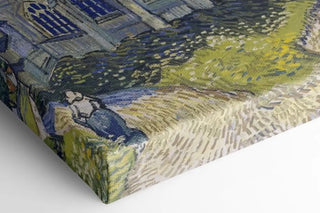
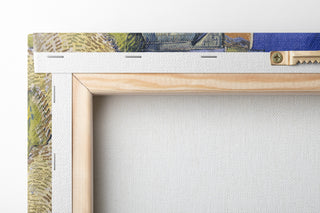
View from behind
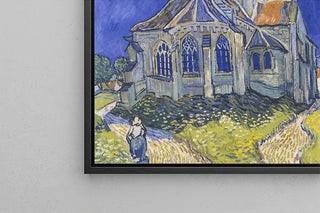
Frame (optional)
Portrait of Madame Lestapis and Boode, daughter of Henry Boode - François Joseph Kinson – Captivating introduction
In the bustling universe of art, some works manage to transcend time and capture the essence of an era. The "Portrait of Madame Lestapis and Boode, daughter of Henry Boode" by François Joseph Kinson is one of those creations that, through its visual richness and undeniable charm, invites deep exploration. This painting, both intimate and revealing, evokes an atmosphere of grace and delicacy, while offering a window into the bourgeois life of the 19th century. The artist succeeds in capturing not only the features of his subjects but also the aura surrounding them, making this work unforgettable for anyone who contemplates it.
Style and uniqueness of the work
Kinson's style is characterized by remarkable finesse and meticulous attention to detail. In this piece, the faces of Madame Lestapis and her daughter are painted with such precision that each expression seems to tell a story. The carefully orchestrated light highlights the textures of the clothing and the softness of the skin, creating a striking contrast between shadow and light. The color palette, subtly chosen, evokes an atmosphere of serenity and elegance. Decorative elements, such as drapes and accessories, add an extra dimension to the composition, reinforcing the idea of refined bourgeois life. Kinson does not merely depict his subjects; he immortalizes them in a moment of grace, offering the viewer a glimpse into their world.
The artist and his influence
François Joseph Kinson, a Belgian painter of the 19th century, fits within the tradition of academic portraits while adding his personal touch. Trained in a rich artistic context, he knew how to evolve and adapt to the currents of his time, while remaining faithful to a realistic approach. Kinson was influenced by masters such as David and Ingres, whose emphasis on precision and harmony of forms marked his work. However, it is his ability to infuse an emotional dimension into his portraits that sets him apart. His artistic practice does not limit itself to
Portrait painting of Madame Lestapis and Boode, daughter of Henry Boode - François Joseph Kinson

-10% FROM €95 IN PURCHASES
-15% FROM €195 IN PURCHASES
Regular price
- Unit price
- by
Free shipping
€4.90 / Free shipping on orders over €39
Satisfied or Money Back
Free returns within 30 days
10-year warranty
Our prints are guaranteed for 10 years
Any questions? We are here!
by email to contact@artemlegrand.com
THE STEPS OF YOUR ORDER

STEP 1 - ORDER PLACED
Your order has been confirmed and we are starting production
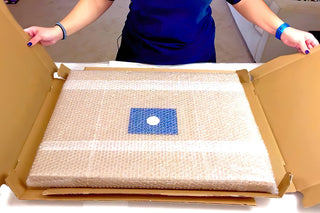
STEP 2 - SHIPPING
We ship your order. We send you an email to track the progress

STEP 3 - DELIVERY
You receive your order. You can also, according to your choice, be delivered to a relay point.
Matte finish
View from behind
Frame (optional)
Portrait of Madame Lestapis and Boode, daughter of Henry Boode - François Joseph Kinson – Captivating introduction
In the bustling universe of art, some works manage to transcend time and capture the essence of an era. The "Portrait of Madame Lestapis and Boode, daughter of Henry Boode" by François Joseph Kinson is one of those creations that, through its visual richness and undeniable charm, invites deep exploration. This painting, both intimate and revealing, evokes an atmosphere of grace and delicacy, while offering a window into the bourgeois life of the 19th century. The artist succeeds in capturing not only the features of his subjects but also the aura surrounding them, making this work unforgettable for anyone who contemplates it.
Style and uniqueness of the work
Kinson's style is characterized by remarkable finesse and meticulous attention to detail. In this piece, the faces of Madame Lestapis and her daughter are painted with such precision that each expression seems to tell a story. The carefully orchestrated light highlights the textures of the clothing and the softness of the skin, creating a striking contrast between shadow and light. The color palette, subtly chosen, evokes an atmosphere of serenity and elegance. Decorative elements, such as drapes and accessories, add an extra dimension to the composition, reinforcing the idea of refined bourgeois life. Kinson does not merely depict his subjects; he immortalizes them in a moment of grace, offering the viewer a glimpse into their world.
The artist and his influence
François Joseph Kinson, a Belgian painter of the 19th century, fits within the tradition of academic portraits while adding his personal touch. Trained in a rich artistic context, he knew how to evolve and adapt to the currents of his time, while remaining faithful to a realistic approach. Kinson was influenced by masters such as David and Ingres, whose emphasis on precision and harmony of forms marked his work. However, it is his ability to infuse an emotional dimension into his portraits that sets him apart. His artistic practice does not limit itself to