
Portrait of M. Nicolle - Gustave Courbet | Art print


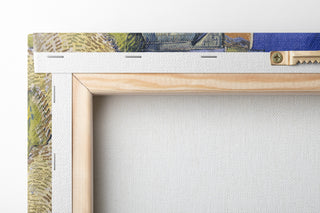
View from behind
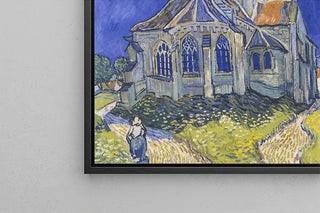
Frame (optional)
Portrait of M. Nicolle - Gustave Courbet – Engaging Introduction
In the world of art, certain works transcend their era to become timeless witnesses to humanity. The "Portrait of M. Nicolle" by Gustave Courbet is a perfect example. Created in the 19th century, this painting does more than depict an individual; it captures the very essence of personality and emotion. Through this portrait, Courbet invites us to delve into the intimacy of his subject, offering a window into a time when painting was both a means of personal expression and a reflection of societal concerns. The art print of this iconic work allows for rediscovering the depth and richness of realistic painting.
Style and uniqueness of the work
Courbet's style is characterized by a realistic approach that sets him apart from previous artistic movements. In "Portrait of M. Nicolle," the technique of chiaroscuro is used with remarkable mastery, creating striking contrasts between light and shadow. This manipulation of light brings the face of M. Nicolle to life, making every detail, from the expression in his eyes to the texture of his skin, palpable. The color palette, both sober and warm, contributes to the intimate atmosphere emanating from the piece. Courbet does not merely aim to represent his subject but to reveal the soul behind it, through an approach that blends truth and emotion. This portrait is thus an invitation to contemplate not only appearance but also the psychological depth of the character.
The artist and his influence
Gustave Courbet, an emblematic figure of realism, established himself as a revolutionary within the 19th-century art world. By distancing himself from the academic conventions of his time, he paved the way for a new way of conceiving painting. His commitment to faithful representation of reality inspired many artists, from Impressionists to Expressionists. Courbet indeed challenged established norms, advocating an approach that values the individual and their environment. His influence is still felt today, both in how contemporary artists approach representation and in how the public perceives art.
Portrait of M. Nicolle - Gustave Courbet | Art print

-10% FROM €95 IN PURCHASES
-15% FROM €195 IN PURCHASES
Regular price
- Unit price
- per
Tax included.
Free shipping
€4.90 / Free shipping on orders over €39
Satisfied or Money Back
Free returns within 30 days
10-year warranty
Our prints are guaranteed for 10 years
Any questions? We are here!
by email to contact@artemlegrand.com
THE STEPS OF YOUR ORDER

STEP 1 - ORDER PLACED
Your order has been confirmed and we are starting production
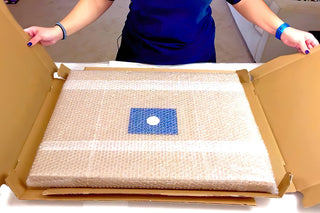
STEP 2 - SHIPPING
We ship your order. We send you an email to track the progress

STEP 3 - DELIVERY
You receive your order. You can also, according to your choice, be delivered to a relay point.
Matte finish
View from behind
Frame (optional)
Portrait of M. Nicolle - Gustave Courbet – Engaging Introduction
In the world of art, certain works transcend their era to become timeless witnesses to humanity. The "Portrait of M. Nicolle" by Gustave Courbet is a perfect example. Created in the 19th century, this painting does more than depict an individual; it captures the very essence of personality and emotion. Through this portrait, Courbet invites us to delve into the intimacy of his subject, offering a window into a time when painting was both a means of personal expression and a reflection of societal concerns. The art print of this iconic work allows for rediscovering the depth and richness of realistic painting.
Style and uniqueness of the work
Courbet's style is characterized by a realistic approach that sets him apart from previous artistic movements. In "Portrait of M. Nicolle," the technique of chiaroscuro is used with remarkable mastery, creating striking contrasts between light and shadow. This manipulation of light brings the face of M. Nicolle to life, making every detail, from the expression in his eyes to the texture of his skin, palpable. The color palette, both sober and warm, contributes to the intimate atmosphere emanating from the piece. Courbet does not merely aim to represent his subject but to reveal the soul behind it, through an approach that blends truth and emotion. This portrait is thus an invitation to contemplate not only appearance but also the psychological depth of the character.
The artist and his influence
Gustave Courbet, an emblematic figure of realism, established himself as a revolutionary within the 19th-century art world. By distancing himself from the academic conventions of his time, he paved the way for a new way of conceiving painting. His commitment to faithful representation of reality inspired many artists, from Impressionists to Expressionists. Courbet indeed challenged established norms, advocating an approach that values the individual and their environment. His influence is still felt today, both in how contemporary artists approach representation and in how the public perceives art.
12,34 €