
Portrait of Louise, Queen of Prussia - Wilhelm Ternite | Art print


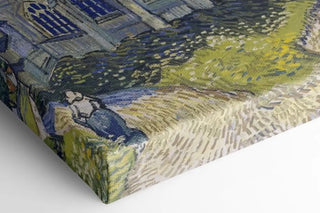
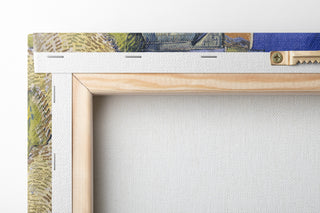
View from behind
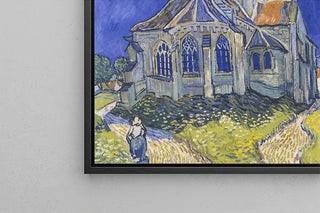
Frame (optional)
In the vast panorama of European art, certain works stand out for their ability to capture the essence of an era while revealing the depth of human emotions. The "Art print of Louise Queen of Prussia" by Wilhelm Ternite is one of these masterpieces. This painting, imbued with delicacy and sophistication, transports us to the heart of the 19th century, a period marked by political and social upheavals. Louise of Prussia, an iconic figure of the monarchy, embodies both grace and resilience. Through this portrait, Ternite succeeds in immortalizing not only her image but also the aura of a queen who knew how to win the hearts of her people. The art print of this work allows for appreciation of the finesse of details and the richness of colors, thus revealing the artist's skill in creating an atmosphere that is both intimate and majestic.
Style and uniqueness of the work
Ternite's style is distinguished by a realistic approach that transcends simple representation to touch on emotion. In the "Art print of Louise Queen of Prussia," every brushstroke seems to breathe life, with each shadow and light contributing to the expression of a complex personality. The queen is depicted with natural elegance, her face radiating dignity and gentleness. The choice of colors, ranging from soft hues to deeper shades, evokes an atmosphere of serenity while highlighting Louise's inner strength. The composition of the painting, centered on the queen's face, immediately draws the eye and invites deep contemplation. Ternite manages to create a dialogue between the subject and the viewer, making this work of rare singularity, where every detail tells a story.
The artist and his influence
Wilhelm Ternite, although less known than some of his contemporaries, played a significant role in the development of portraiture in the 19th century. Trained in academic traditions, he was able to incorporate elements of modernity into his works, drawing inspiration from the artistic movements emerging around him. His approach to portraiture is marked by a particular attention to the psychology of his subjects, a characteristic that brings him closer to the great masters of the past while giving him
Portrait of Louise, Queen of Prussia - Wilhelm Ternite | Art print

-10% FROM €95 IN PURCHASES
-15% FROM €195 IN PURCHASES
Regular price
- Unit price
- per
Tax included.
Free shipping
€4.90 / Free shipping on orders over €39
Satisfied or Money Back
Free returns within 30 days
10-year warranty
Our prints are guaranteed for 10 years
Any questions? We are here!
by email to contact@artemlegrand.com
THE STEPS OF YOUR ORDER

STEP 1 - ORDER PLACED
Your order has been confirmed and we are starting production
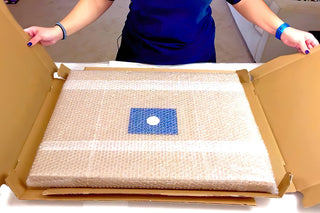
STEP 2 - SHIPPING
We ship your order. We send you an email to track the progress

STEP 3 - DELIVERY
You receive your order. You can also, according to your choice, be delivered to a relay point.
Matte finish
View from behind
Frame (optional)
In the vast panorama of European art, certain works stand out for their ability to capture the essence of an era while revealing the depth of human emotions. The "Art print of Louise Queen of Prussia" by Wilhelm Ternite is one of these masterpieces. This painting, imbued with delicacy and sophistication, transports us to the heart of the 19th century, a period marked by political and social upheavals. Louise of Prussia, an iconic figure of the monarchy, embodies both grace and resilience. Through this portrait, Ternite succeeds in immortalizing not only her image but also the aura of a queen who knew how to win the hearts of her people. The art print of this work allows for appreciation of the finesse of details and the richness of colors, thus revealing the artist's skill in creating an atmosphere that is both intimate and majestic.
Style and uniqueness of the work
Ternite's style is distinguished by a realistic approach that transcends simple representation to touch on emotion. In the "Art print of Louise Queen of Prussia," every brushstroke seems to breathe life, with each shadow and light contributing to the expression of a complex personality. The queen is depicted with natural elegance, her face radiating dignity and gentleness. The choice of colors, ranging from soft hues to deeper shades, evokes an atmosphere of serenity while highlighting Louise's inner strength. The composition of the painting, centered on the queen's face, immediately draws the eye and invites deep contemplation. Ternite manages to create a dialogue between the subject and the viewer, making this work of rare singularity, where every detail tells a story.
The artist and his influence
Wilhelm Ternite, although less known than some of his contemporaries, played a significant role in the development of portraiture in the 19th century. Trained in academic traditions, he was able to incorporate elements of modernity into his works, drawing inspiration from the artistic movements emerging around him. His approach to portraiture is marked by a particular attention to the psychology of his subjects, a characteristic that brings him closer to the great masters of the past while giving him
12,34 €