
Painting Portrait of Livina van Steelant - Gerard Horenbout


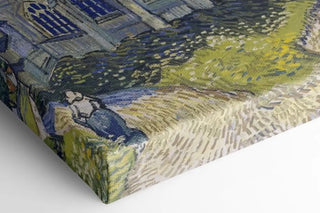
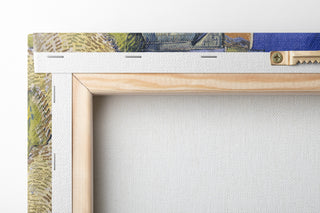
View from behind
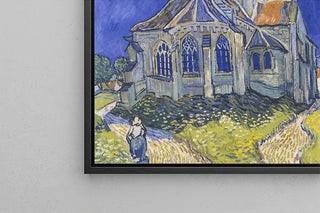
Frame (optional)
Reproduction Portrait of Livina van Steelant - Gerard Horenbout – Captivating Introduction
The "Portrait of Livina van Steelant" by Gerard Horenbout is a work that transcends the simple frame of painting to immerse the viewer in a universe rich in emotions and stories. Created in the early 16th century, this painting is a true window into the Renaissance, an era when art and culture flourished across Europe. Livina's delicate face, bathed in soft light, invites contemplation and reflection. Every detail of her expression, every shade of color, seems to whisper secrets of a bygone era, making this work timeless and captivating. By admiring this art print, one can almost feel the presence of the artist, his attentive gaze, and his skill in capturing the human soul.
Style and uniqueness of the work
Horenbout's style is distinguished by its finesse and attention to detail. In this portrait, the texture of Livina's richly adorned clothing is rendered with remarkable precision, demonstrating the artist's technical mastery. The colors, both vibrant and nuanced, create a visual harmony that draws the eye and captivates the mind. The background, often simple in portraits of this period, highlights the central figure, thus emphasizing the intensity of her gaze and the delicacy of her features. The composition is carefully balanced, with each element positioned to direct attention toward Livina's face, the true focal point of the work. This meticulous attention to detail and ability to evoke deep emotions make the "Portrait of Livina van Steelant" a shining example of Flemish Renaissance art.
The artist and his influence
Gerard Horenbout, a painter of Flemish origin, played a significant role in the evolution of European painting during the 16th century. Trained in the traditions of Gothic painting, he was able to incorporate elements of the Renaissance, thus creating a unique style that influenced many artists of his time. Horenbout is often recognized for his ability to capture the psychology of his subjects, rendering his portraits not only as physical representations but also as explorations of the human soul. His work contributed
Painting Portrait of Livina van Steelant - Gerard Horenbout

-10% FROM €95 IN PURCHASES
-15% FROM €195 IN PURCHASES
Regular price
- Unit price
- per
Tax included.
Free shipping
€4.90 / Free shipping on orders over €39
Satisfied or Money Back
Free returns within 30 days
10-year warranty
Our prints are guaranteed for 10 years
Any questions? We are here!
by email to contact@artemlegrand.com
THE STEPS OF YOUR ORDER
STEP 1 - ORDER PLACED
Your order has been confirmed and we are starting production
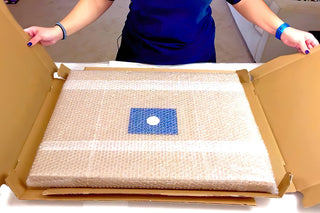
STEP 2 - SHIPPING
We ship your order. We send you an email to track the progress

STEP 3 - DELIVERY
You receive your order. You can also, according to your choice, be delivered to a relay point.
Matte finish
View from behind
Frame (optional)
Reproduction Portrait of Livina van Steelant - Gerard Horenbout – Captivating Introduction
The "Portrait of Livina van Steelant" by Gerard Horenbout is a work that transcends the simple frame of painting to immerse the viewer in a universe rich in emotions and stories. Created in the early 16th century, this painting is a true window into the Renaissance, an era when art and culture flourished across Europe. Livina's delicate face, bathed in soft light, invites contemplation and reflection. Every detail of her expression, every shade of color, seems to whisper secrets of a bygone era, making this work timeless and captivating. By admiring this art print, one can almost feel the presence of the artist, his attentive gaze, and his skill in capturing the human soul.
Style and uniqueness of the work
Horenbout's style is distinguished by its finesse and attention to detail. In this portrait, the texture of Livina's richly adorned clothing is rendered with remarkable precision, demonstrating the artist's technical mastery. The colors, both vibrant and nuanced, create a visual harmony that draws the eye and captivates the mind. The background, often simple in portraits of this period, highlights the central figure, thus emphasizing the intensity of her gaze and the delicacy of her features. The composition is carefully balanced, with each element positioned to direct attention toward Livina's face, the true focal point of the work. This meticulous attention to detail and ability to evoke deep emotions make the "Portrait of Livina van Steelant" a shining example of Flemish Renaissance art.
The artist and his influence
Gerard Horenbout, a painter of Flemish origin, played a significant role in the evolution of European painting during the 16th century. Trained in the traditions of Gothic painting, he was able to incorporate elements of the Renaissance, thus creating a unique style that influenced many artists of his time. Horenbout is often recognized for his ability to capture the psychology of his subjects, rendering his portraits not only as physical representations but also as explorations of the human soul. His work contributed
12,34 €