
Portrait Painting of Juliette Kaufmann - Isidor Kaufmann | Art print


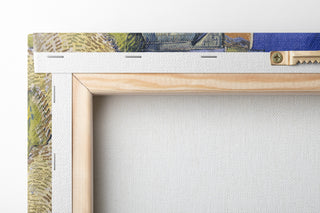
View from behind
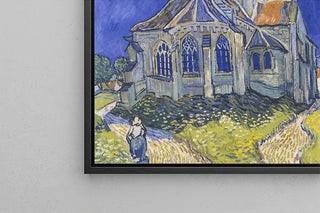
Frame (optional)
The "Art print of Juliette Kaufmann" by Isidor Kaufmann is a piece that immerses the viewer in the intimacy of a bygone era, while revealing the depth of human emotions. This painting, a true testament to the finesse of an early 20th-century artist, captures the beauty and delicacy of a young woman, Juliette Kaufmann, whose gaze seems to tell a story. The soft light caressing her face and the meticulous details of her dress evoke not only Kaufmann's technical virtuosity but also a world where art and life blend harmoniously. Contemplating this work transports us to a universe where each brushstroke becomes an invitation to explore the feelings and thoughts of its subject.
Style and uniqueness of the work
Isidor Kaufmann's style is distinguished by its poignant realism and attention to detail. In the "Art print of Juliette Kaufmann", he manages to capture not only the physical appearance of his model but also her spiritual essence. The composition is carefully balanced, with a background that, although understated, highlights the central figure. The shades of color used by the artist add warmth and depth that transcend a simple portrait. Every element, from the fabric of the dress to the texture of the skin, is treated with such precision that it results in an almost living work. Kaufmann, a master of portraiture, succeeds in establishing a dialogue between the viewer and the model, making Juliette Kaufmann not only visible but also palpable, as if she could step out of the painting at any moment.
The artist and his influence
Isidor Kaufmann, born in 1853 in Vienna, is an artist who has established himself in the art world through his ability to marry tradition and modernity. Influenced by the artistic movement of his time, he developed a unique style that highlights the subtleties of daily life and human relationships. His work is often marked by a particular sensitivity towards his subjects, whether portraits or genre scenes. Kaufmann was also a witness to his era, his works reflecting the social and cultural changes sweeping through the Austro-Hungarian Empire.
Portrait Painting of Juliette Kaufmann - Isidor Kaufmann | Art print

-10% FROM €95 IN PURCHASES
-15% FROM €195 IN PURCHASES
Regular price
- Unit price
- per
Tax included.
Free shipping
€4.90 / Free shipping on orders over €39
Satisfied or Money Back
Free returns within 30 days
10-year warranty
Our prints are guaranteed for 10 years
Any questions? We are here!
by email to contact@artemlegrand.com
THE STEPS OF YOUR ORDER
STEP 1 - ORDER PLACED
Your order has been confirmed and we are starting production
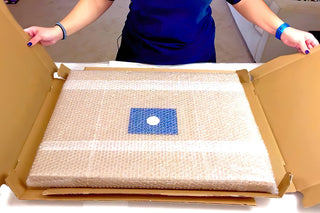
STEP 2 - SHIPPING
We ship your order. We send you an email to track the progress

STEP 3 - DELIVERY
You receive your order. You can also, according to your choice, be delivered to a relay point.
Matte finish
View from behind
Frame (optional)
The "Art print of Juliette Kaufmann" by Isidor Kaufmann is a piece that immerses the viewer in the intimacy of a bygone era, while revealing the depth of human emotions. This painting, a true testament to the finesse of an early 20th-century artist, captures the beauty and delicacy of a young woman, Juliette Kaufmann, whose gaze seems to tell a story. The soft light caressing her face and the meticulous details of her dress evoke not only Kaufmann's technical virtuosity but also a world where art and life blend harmoniously. Contemplating this work transports us to a universe where each brushstroke becomes an invitation to explore the feelings and thoughts of its subject.
Style and uniqueness of the work
Isidor Kaufmann's style is distinguished by its poignant realism and attention to detail. In the "Art print of Juliette Kaufmann", he manages to capture not only the physical appearance of his model but also her spiritual essence. The composition is carefully balanced, with a background that, although understated, highlights the central figure. The shades of color used by the artist add warmth and depth that transcend a simple portrait. Every element, from the fabric of the dress to the texture of the skin, is treated with such precision that it results in an almost living work. Kaufmann, a master of portraiture, succeeds in establishing a dialogue between the viewer and the model, making Juliette Kaufmann not only visible but also palpable, as if she could step out of the painting at any moment.
The artist and his influence
Isidor Kaufmann, born in 1853 in Vienna, is an artist who has established himself in the art world through his ability to marry tradition and modernity. Influenced by the artistic movement of his time, he developed a unique style that highlights the subtleties of daily life and human relationships. His work is often marked by a particular sensitivity towards his subjects, whether portraits or genre scenes. Kaufmann was also a witness to his era, his works reflecting the social and cultural changes sweeping through the Austro-Hungarian Empire.
12,34 €