
Painting Portrait of Johannes Oekolampad - Hans Asper


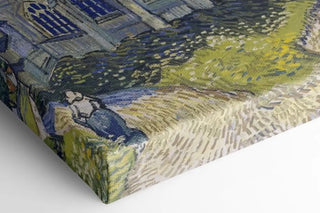
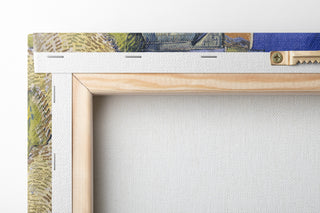
View from behind
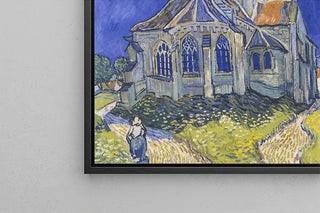
Frame (optional)
Portrait of Johannes Oekolampad - Hans Asper – Captivating Introduction
The "Portrait of Johannes Oekolampad" by Hans Asper is an iconic artwork that embodies the spirit of the Protestant Reformation. This painting, created in the 16th century, immerses us in a pivotal moment in European history, when the innovative ideas of religious reform began to take root in the collective consciousness. The face of Johannes Oekolampad, a Swiss reformer and a prominent figure in the city of Basel, is depicted with an intensity that reflects his crucial role in transforming religious beliefs and practices of his time. Through this portrait, Asper manages to capture not only the physical appearance of his subject but also the depth of his thought and spiritual commitment.
Style and uniqueness of the work
Hans Asper's style is characterized by meticulous attention to detail and striking realism. In this portrait, Oekolampad's features are rendered with precision, giving the face remarkable expressiveness. Light plays a vital role in the composition, highlighting the contours of the face while creating an atmosphere of gravity and seriousness. Asper uses rich, deep colors that add to the dignity of the character. The dark, almost monochrome background makes the central figure stand out, thus enhancing the visual impact of the artwork. This stylistic choice is not accidental, as it allows the viewer to focus on Oekolampad, emphasizing his importance as a thinker and religious leader. Asper's ability to balance the portrait with a keen sense of composition makes it a masterpiece of Renaissance painting.
The artist and his influence
Hans Asper, primarily active in Basel, is often regarded as one of the most talented portraitists of his time. His work is set within an artistic context marked by the transition from the Middle Ages to the Renaissance, where individualism and humanism take center stage. Asper distinguished himself through his ability to combine the rigor of drawing with the sensitivity of colors, influencing many contemporary and future artists. His realistic and psychological approach to portraiture paved the way for a new way of representing
Painting Portrait of Johannes Oekolampad - Hans Asper

-10% FROM €95 IN PURCHASES
-15% FROM €195 IN PURCHASES
Regular price
- Unit price
- per
Tax included.
Free shipping
€4.90 / Free shipping on orders over €39
Satisfied or Money Back
Free returns within 30 days
10-year warranty
Our prints are guaranteed for 10 years
Any questions? We are here!
by email to contact@artemlegrand.com
THE STEPS OF YOUR ORDER

STEP 1 - ORDER PLACED
Your order has been confirmed and we are starting production
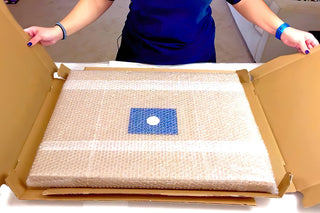
STEP 2 - SHIPPING
We ship your order. We send you an email to track the progress

STEP 3 - DELIVERY
You receive your order. You can also, according to your choice, be delivered to a relay point.
Matte finish
View from behind
Frame (optional)
Portrait of Johannes Oekolampad - Hans Asper – Captivating Introduction
The "Portrait of Johannes Oekolampad" by Hans Asper is an iconic artwork that embodies the spirit of the Protestant Reformation. This painting, created in the 16th century, immerses us in a pivotal moment in European history, when the innovative ideas of religious reform began to take root in the collective consciousness. The face of Johannes Oekolampad, a Swiss reformer and a prominent figure in the city of Basel, is depicted with an intensity that reflects his crucial role in transforming religious beliefs and practices of his time. Through this portrait, Asper manages to capture not only the physical appearance of his subject but also the depth of his thought and spiritual commitment.
Style and uniqueness of the work
Hans Asper's style is characterized by meticulous attention to detail and striking realism. In this portrait, Oekolampad's features are rendered with precision, giving the face remarkable expressiveness. Light plays a vital role in the composition, highlighting the contours of the face while creating an atmosphere of gravity and seriousness. Asper uses rich, deep colors that add to the dignity of the character. The dark, almost monochrome background makes the central figure stand out, thus enhancing the visual impact of the artwork. This stylistic choice is not accidental, as it allows the viewer to focus on Oekolampad, emphasizing his importance as a thinker and religious leader. Asper's ability to balance the portrait with a keen sense of composition makes it a masterpiece of Renaissance painting.
The artist and his influence
Hans Asper, primarily active in Basel, is often regarded as one of the most talented portraitists of his time. His work is set within an artistic context marked by the transition from the Middle Ages to the Renaissance, where individualism and humanism take center stage. Asper distinguished himself through his ability to combine the rigor of drawing with the sensitivity of colors, influencing many contemporary and future artists. His realistic and psychological approach to portraiture paved the way for a new way of representing
12,34 €