
Painting Portrait of Johanna le Maire c. 1601-160 - Nicolaes Eliasz Pickenoy | Art print


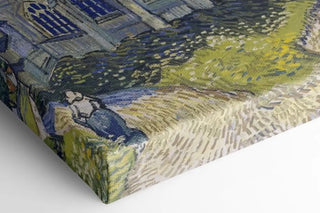
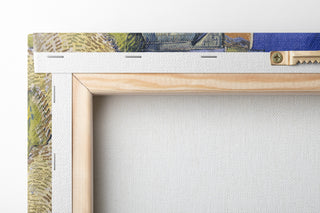
View from behind
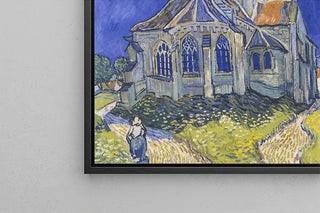
Frame (optional)
The art of 17th-century Dutch painting is a true mirror of the society of the time, and the "Portrait of Johanna le Maire" by Nicolaes Eliasz Pickenoy is a striking illustration. Created around 1601, this painting does more than freeze a moment in time; it tells a story, that of a woman whose elegance and dignity transcend centuries. By contemplating this portrait, the viewer is transported into a universe where beauty and social status intertwine, revealing the subtleties of bourgeois life at the dawn of the Dutch Golden Age. Pickenoy's technical mastery, combined with his keen sense of composition, gives this work an emotional depth that cannot leave one indifferent.
Style and uniqueness of the work
Pickenoy's style is characterized by meticulous attention to detail and a rich, nuanced color palette. In "Portrait of Johanna le Maire," every element, from the fabric of the dress to the shimmering jewelry, is carefully rendered, demonstrating the artist's virtuosity. Light plays a central role in this piece, highlighting the delicate features of Johanna's face and creating an intimate atmosphere. Pickenoy manages to capture not only the physical appearance of his subject but also an inner essence, a personality emanating from the canvas. This ability to blend realism and expression is what makes this work so distinctive, and it remains a shining example of portrait painting of its time.
The artist and his influence
Nicolaes Eliasz Pickenoy, although less well-known than some of his contemporaries, managed to carve out a prominent place in the world of Dutch art. Trained during a period when portraiture was a favored genre, he drew inspiration from masters while developing a personal style. His work influenced many artists of his era, notably through his approach to female portraiture, where he emphasizes not only beauty but also strength and intelligence in his models. Pickenoy thus contributed to redefining the role of women in the
Painting Portrait of Johanna le Maire c. 1601-160 - Nicolaes Eliasz Pickenoy | Art print

-10% FROM €95 IN PURCHASES
-15% FROM €195 IN PURCHASES
Regular price
- Unit price
- per
Tax included.
Free shipping
€4.90 / Free shipping on orders over €39
Satisfied or Money Back
Free returns within 30 days
10-year warranty
Our prints are guaranteed for 10 years
Any questions? We are here!
by email to contact@artemlegrand.com
THE STEPS OF YOUR ORDER
STEP 1 - ORDER PLACED
Your order has been confirmed and we are starting production
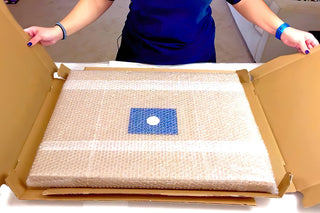
STEP 2 - SHIPPING
We ship your order. We send you an email to track the progress

STEP 3 - DELIVERY
You receive your order. You can also, according to your choice, be delivered to a relay point.
Matte finish
View from behind
Frame (optional)
The art of 17th-century Dutch painting is a true mirror of the society of the time, and the "Portrait of Johanna le Maire" by Nicolaes Eliasz Pickenoy is a striking illustration. Created around 1601, this painting does more than freeze a moment in time; it tells a story, that of a woman whose elegance and dignity transcend centuries. By contemplating this portrait, the viewer is transported into a universe where beauty and social status intertwine, revealing the subtleties of bourgeois life at the dawn of the Dutch Golden Age. Pickenoy's technical mastery, combined with his keen sense of composition, gives this work an emotional depth that cannot leave one indifferent.
Style and uniqueness of the work
Pickenoy's style is characterized by meticulous attention to detail and a rich, nuanced color palette. In "Portrait of Johanna le Maire," every element, from the fabric of the dress to the shimmering jewelry, is carefully rendered, demonstrating the artist's virtuosity. Light plays a central role in this piece, highlighting the delicate features of Johanna's face and creating an intimate atmosphere. Pickenoy manages to capture not only the physical appearance of his subject but also an inner essence, a personality emanating from the canvas. This ability to blend realism and expression is what makes this work so distinctive, and it remains a shining example of portrait painting of its time.
The artist and his influence
Nicolaes Eliasz Pickenoy, although less well-known than some of his contemporaries, managed to carve out a prominent place in the world of Dutch art. Trained during a period when portraiture was a favored genre, he drew inspiration from masters while developing a personal style. His work influenced many artists of his era, notably through his approach to female portraiture, where he emphasizes not only beauty but also strength and intelligence in his models. Pickenoy thus contributed to redefining the role of women in the
12,34 €