
Art print Portrait of Johanna Countess Gleispach - Friedrich Wailand


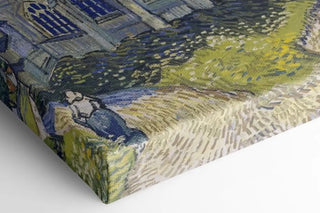
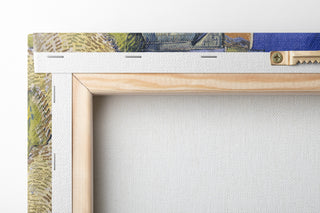
View from behind
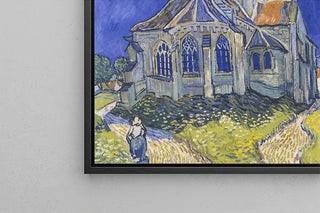
Frame (optional)
Portrait of Johanna Countess Gleispach - Friedrich Wailand – Captivating Introduction
In the fascinating world of art, some works transcend the mere frame to become silent witnesses of stories and eras. The "Portrait of Johanna Countess Gleispach" by Friedrich Wailand is one such creation, capturing not only the essence of a woman but also the spirit of a time. Through this representation, Wailand immerses us in a universe where beauty and nobility meet, making this art print a true masterpiece of 19th-century art. This painting, rich in detail and emotion, invites the viewer to explore the subtleties of aristocratic life and the nuances of its subject's personality.
Style and uniqueness of the piece
Wailand's style is distinguished by a delicacy and precision that bring each detail to life. In the "Portrait of Johanna Countess Gleispach," the artist uses a palette of soft colors, blending warm and cool tones to create an atmosphere that is both intimate and majestic. The countess's face, delicately illuminated, seems to radiate an inner light, while the drapery of her dress evokes luxury and elegance. Every brushstroke is carefully considered, demonstrating technical mastery that faithfully renders textures and reflections. This art print does not merely depict a figure; it tells a story, that of a strong and influential woman, while capturing the spirit of the time and the social conventions of her era.
The artist and his influence
Friedrich Wailand, although less well-known than some of his contemporaries, managed to leave his mark on his era through his unique approach to portraiture. Trained in academic traditions, he combined technical rigor with artistic sensitivity. Wailand was influenced by the artistic movements of his time, notably Romanticism, which championed the expression of emotions and individuality. His work on the portrait of Johanna Countess Gleispach perfectly illustrates this duality between realistic representation and idealization. By capturing not only the physical appearance of his model but also her character, Wailand contributed to the evolution of the art print as a
Art print Portrait of Johanna Countess Gleispach - Friedrich Wailand

-10% FROM €95 IN PURCHASES
-15% FROM €195 IN PURCHASES
Regular price
- Unit price
- by
Free shipping
€4.90 / Free shipping on orders over €39
Satisfied or Money Back
Free returns within 30 days
10-year warranty
Our prints are guaranteed for 10 years
Any questions? We are here!
by email to contact@artemlegrand.com
THE STEPS OF YOUR ORDER

STEP 1 - ORDER PLACED
Your order has been confirmed and we are starting production
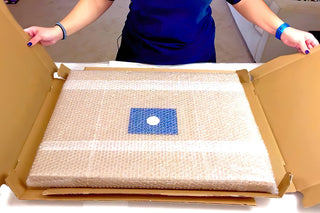
STEP 2 - SHIPPING
We ship your order. We send you an email to track the progress

STEP 3 - DELIVERY
You receive your order. You can also, according to your choice, be delivered to a relay point.
Matte finish
View from behind
Frame (optional)
Portrait of Johanna Countess Gleispach - Friedrich Wailand – Captivating Introduction
In the fascinating world of art, some works transcend the mere frame to become silent witnesses of stories and eras. The "Portrait of Johanna Countess Gleispach" by Friedrich Wailand is one such creation, capturing not only the essence of a woman but also the spirit of a time. Through this representation, Wailand immerses us in a universe where beauty and nobility meet, making this art print a true masterpiece of 19th-century art. This painting, rich in detail and emotion, invites the viewer to explore the subtleties of aristocratic life and the nuances of its subject's personality.
Style and uniqueness of the piece
Wailand's style is distinguished by a delicacy and precision that bring each detail to life. In the "Portrait of Johanna Countess Gleispach," the artist uses a palette of soft colors, blending warm and cool tones to create an atmosphere that is both intimate and majestic. The countess's face, delicately illuminated, seems to radiate an inner light, while the drapery of her dress evokes luxury and elegance. Every brushstroke is carefully considered, demonstrating technical mastery that faithfully renders textures and reflections. This art print does not merely depict a figure; it tells a story, that of a strong and influential woman, while capturing the spirit of the time and the social conventions of her era.
The artist and his influence
Friedrich Wailand, although less well-known than some of his contemporaries, managed to leave his mark on his era through his unique approach to portraiture. Trained in academic traditions, he combined technical rigor with artistic sensitivity. Wailand was influenced by the artistic movements of his time, notably Romanticism, which championed the expression of emotions and individuality. His work on the portrait of Johanna Countess Gleispach perfectly illustrates this duality between realistic representation and idealization. By capturing not only the physical appearance of his model but also her character, Wailand contributed to the evolution of the art print as a