
Painting Portrait of Johann Maximilian zum Jungen - Jeremias van Winghe | Art print


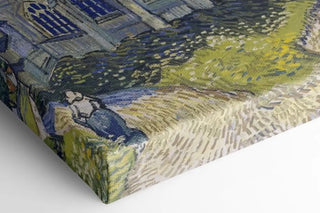
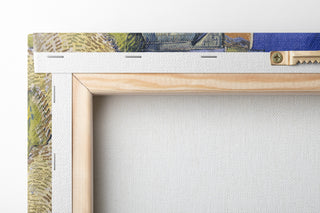
View from behind
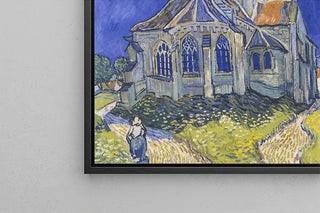
Frame (optional)
In the captivating world of Flemish painting, the "Portrait of Johann Maximilian zum Jungen" by Jeremias van Winghe stands as a poignant testament to 17th-century art. This artwork, which captures the very essence of its era, immerses us in a world where realism and fine detail combine to bring to life an iconic figure of nobility. Through this portrait, the artist succeeds in immortalizing not only the face of his subject but also the soul of a man whose historical significance still resonates today. The beauty of this art print allows us to rediscover a masterpiece that, although frozen in time, continues to speak to those who take the time to observe it.
Style and uniqueness of the work
Jeremias van Winghe's style is distinguished by his ability to blend the precision of drawing with a palette of subtly nuanced colors. In "Portrait of Johann Maximilian zum Jungen," the artist deploys an exceptional mastery of chiaroscuro, creating an atmosphere that is both intimate and solemn. The face of the young noble, delicately illuminated, seems to emerge from the shadow, while the dark background accentuates the depth of his gaze. The details of the richly adorned clothing demonstrate Van Winghe's virtuosity, who manages to render the texture of fabrics with remarkable accuracy. Every brushstroke, every reflection of light, invites the viewer to prolonged contemplation, revealing the multiple layers of meaning contained within this work.
The artist and his influence
Jeremias van Winghe, though less known than some of his contemporaries, established himself as a master in the field of portraiture. Born in Flanders, he was influenced by the great names of his time, such as Rubens and Van Dyck, but developed a distinctive style that is characteristic of him. His ability to capture the psychological essence of his subjects is undoubtedly one of the reasons his works continue to intrigue and inspire. By depicting Johann Maximilian zum Jungen, Van Winghe does not merely paint a portrait; he creates a story, a connection between the
Painting Portrait of Johann Maximilian zum Jungen - Jeremias van Winghe | Art print

-10% FROM €95 IN PURCHASES
-15% FROM €195 IN PURCHASES
Regular price
- Unit price
- per
Tax included.
Free shipping
€4.90 / Free shipping on orders over €39
Satisfied or Money Back
Free returns within 30 days
10-year warranty
Our prints are guaranteed for 10 years
Any questions? We are here!
by email to contact@artemlegrand.com
THE STEPS OF YOUR ORDER
STEP 1 - ORDER PLACED
Your order has been confirmed and we are starting production
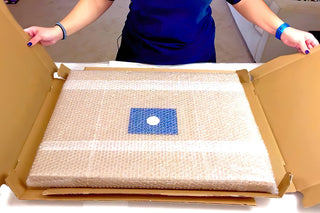
STEP 2 - SHIPPING
We ship your order. We send you an email to track the progress

STEP 3 - DELIVERY
You receive your order. You can also, according to your choice, be delivered to a relay point.
Matte finish
View from behind
Frame (optional)
In the captivating world of Flemish painting, the "Portrait of Johann Maximilian zum Jungen" by Jeremias van Winghe stands as a poignant testament to 17th-century art. This artwork, which captures the very essence of its era, immerses us in a world where realism and fine detail combine to bring to life an iconic figure of nobility. Through this portrait, the artist succeeds in immortalizing not only the face of his subject but also the soul of a man whose historical significance still resonates today. The beauty of this art print allows us to rediscover a masterpiece that, although frozen in time, continues to speak to those who take the time to observe it.
Style and uniqueness of the work
Jeremias van Winghe's style is distinguished by his ability to blend the precision of drawing with a palette of subtly nuanced colors. In "Portrait of Johann Maximilian zum Jungen," the artist deploys an exceptional mastery of chiaroscuro, creating an atmosphere that is both intimate and solemn. The face of the young noble, delicately illuminated, seems to emerge from the shadow, while the dark background accentuates the depth of his gaze. The details of the richly adorned clothing demonstrate Van Winghe's virtuosity, who manages to render the texture of fabrics with remarkable accuracy. Every brushstroke, every reflection of light, invites the viewer to prolonged contemplation, revealing the multiple layers of meaning contained within this work.
The artist and his influence
Jeremias van Winghe, though less known than some of his contemporaries, established himself as a master in the field of portraiture. Born in Flanders, he was influenced by the great names of his time, such as Rubens and Van Dyck, but developed a distinctive style that is characteristic of him. His ability to capture the psychological essence of his subjects is undoubtedly one of the reasons his works continue to intrigue and inspire. By depicting Johann Maximilian zum Jungen, Van Winghe does not merely paint a portrait; he creates a story, a connection between the
12,34 €