
Art print Portrait of Johan Wolfert van Brederode 1599-1655 - Jan van Rossum


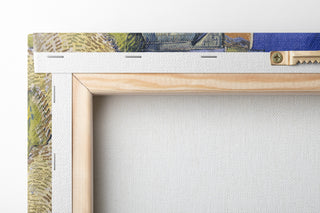
View from behind
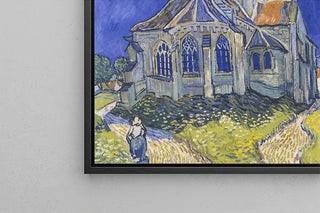
Frame (optional)
Portrait of Johan Wolfert van Brederode 1599-1655 - Jan van Rossum – Captivating Introduction
In the vast panorama of art history, certain works stand out for their ability to capture the essence of an era or a personality. The "Portrait of Johan Wolfert van Brederode" by Jan van Rossum is a perfect example. This painting, dating from the 17th century, not only demonstrates the artist's technical skills but also reflects the social and political significance of its subject. Johan Wolfert van Brederode, a Dutch nobleman, embodies the values of his time, and this portrait invites us to delve into a period where art and power were inextricably intertwined.
Style and uniqueness of the work
Jan van Rossum's work is characterized by meticulous attention to detail and mastery of nuances that give his portraits unparalleled depth. In this depiction, Johan Wolfert van Brederode's posture—upright and confident—testifies to his aristocratic stature. The drapery of his clothing, carefully rendered, almost feels tangible, while the play of light on textures creates a striking contrast between shadow and clarity. The colors, rich and vibrant, are chosen with care to reflect not only the character of the subject but also the brilliance of his rank. Van Rossum succeeds in capturing a moment of serenity, while subtly revealing a certain tension, a duality that makes this portrait fascinating.
The artist and his influence
Jan van Rossum, active during the Dutch Golden Age, established himself as a renowned portraitist. His ability to capture the soul of his models and immortalize them on canvas earned him recognition among his contemporaries. Influenced by the great masters of his time, he developed a style that is uniquely his own, blending realism and idealization. The importance of the bourgeoisie and aristocracy in Dutch society of the period also played a crucial role in his work. By depicting figures such as Johan Wolfert van Brederode, he participates in an artistic tradition that values social status and individual identity, while contributing to the evolution of
Art print Portrait of Johan Wolfert van Brederode 1599-1655 - Jan van Rossum

-10% FROM €95 IN PURCHASES
-15% FROM €195 IN PURCHASES
Regular price
- Unit price
- per
Tax included.
Free shipping
€4.90 / Free shipping on orders over €39
Satisfied or Money Back
Free returns within 30 days
10-year warranty
Our prints are guaranteed for 10 years
Any questions? We are here!
by email to contact@artemlegrand.com
THE STEPS OF YOUR ORDER

STEP 1 - ORDER PLACED
Your order has been confirmed and we are starting production
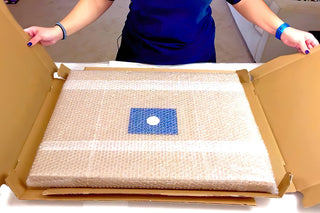
STEP 2 - SHIPPING
We ship your order. We send you an email to track the progress

STEP 3 - DELIVERY
You receive your order. You can also, according to your choice, be delivered to a relay point.
Matte finish
View from behind
Frame (optional)
Portrait of Johan Wolfert van Brederode 1599-1655 - Jan van Rossum – Captivating Introduction
In the vast panorama of art history, certain works stand out for their ability to capture the essence of an era or a personality. The "Portrait of Johan Wolfert van Brederode" by Jan van Rossum is a perfect example. This painting, dating from the 17th century, not only demonstrates the artist's technical skills but also reflects the social and political significance of its subject. Johan Wolfert van Brederode, a Dutch nobleman, embodies the values of his time, and this portrait invites us to delve into a period where art and power were inextricably intertwined.
Style and uniqueness of the work
Jan van Rossum's work is characterized by meticulous attention to detail and mastery of nuances that give his portraits unparalleled depth. In this depiction, Johan Wolfert van Brederode's posture—upright and confident—testifies to his aristocratic stature. The drapery of his clothing, carefully rendered, almost feels tangible, while the play of light on textures creates a striking contrast between shadow and clarity. The colors, rich and vibrant, are chosen with care to reflect not only the character of the subject but also the brilliance of his rank. Van Rossum succeeds in capturing a moment of serenity, while subtly revealing a certain tension, a duality that makes this portrait fascinating.
The artist and his influence
Jan van Rossum, active during the Dutch Golden Age, established himself as a renowned portraitist. His ability to capture the soul of his models and immortalize them on canvas earned him recognition among his contemporaries. Influenced by the great masters of his time, he developed a style that is uniquely his own, blending realism and idealization. The importance of the bourgeoisie and aristocracy in Dutch society of the period also played a crucial role in his work. By depicting figures such as Johan Wolfert van Brederode, he participates in an artistic tradition that values social status and individual identity, while contributing to the evolution of
12,34 €